| Availability: | |
|---|---|
| Quantity: | |
Product Overview: From Granules to Perfection
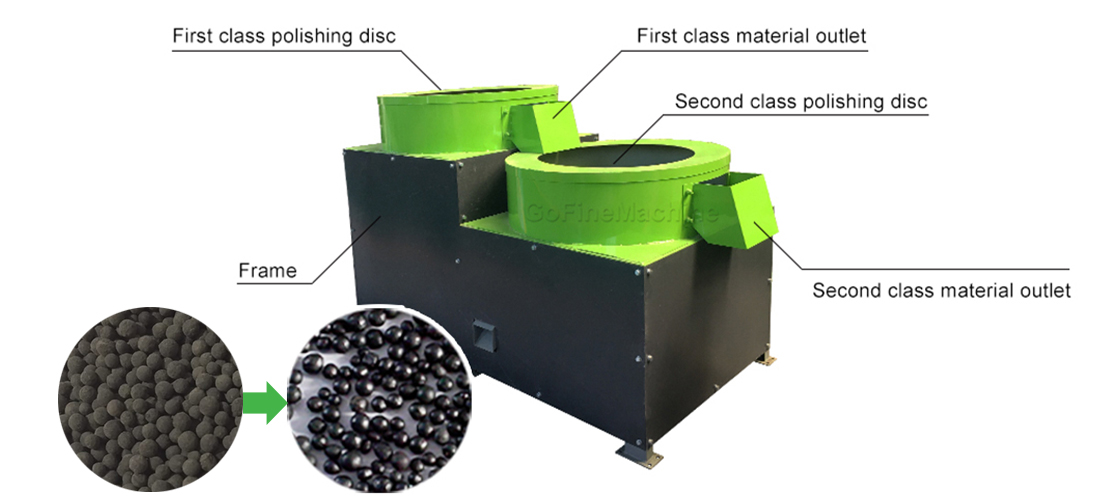
Welcome to the final, critical step in premium fertilizer production. Our Fertilizer Pellet Polishing Machine is engineered to transform irregular, dusty, and sharp-edged granules from your granulator into uniform, smooth, and market-ready pellets. Also known as a Fertilizer Pellet Rounding Machine or Granule Polishing Machine, this equipment is not an option but a necessity for brands that want to command a higher price, improve storage and handling, and ensure customer satisfaction. If you face issues with dust, uneven appearance, or low granule strength, our polisher is your definitive solution.
Why Choose Gofine Machine Granules Polishing Machine?
1. Produces Uniform, Round Pellets
Solution: Irregularly shaped pellets lack a professional appearance and are prone to separation during packaging and application.
Our machine uses a gentle rotary polishing process to smoothly remove the edges and corners of the pellets, producing spherical pellets with a better appearance and consistent shape, ensuring even nutrient distribution.
2. Significantly Reduces Dust and Fine Powder
Solution: Dust generated during packaging creates a dirty and messy working environment, poses health risks, and leads to product loss.
The polishing process effectively separates and removes dust from the pellet surface. This produces dust-free fertilizer pellets, resulting in cleaner operations, less waste, and a healthier, more professional working environment.
3. Enhances Pellet Hardness and Durability
Solution: Fragile pellets are easily broken during bagging, transportation, and handling, ultimately turning into dust and fine powder.
Through controlled friction and compaction, the polishing machine increases the density and surface hardness of each pellet. This makes the granules more robust, able to withstand the test of the supply chain intact, ensuring your product arrives at the end user in perfect condition.
4. Gentle and Efficient Polishing
Solution: Over-processing can damage or crush newly formed granules.
Unlike granulators, our rotary polishing rollers use a controlled tumbling principle. This ensures effective polishing without compromising the structural integrity of your carefully produced granules.
5. Robust and Corrosion-Resistant
Solution: Wear and tear on equipment due to prolonged contact with highly abrasive and often corrosive fertilizers.
Our fertilizer granule polishing machines are constructed from high-quality steel, with key wear parts lined with wear-resistant materials, designed for long service life and low maintenance in harsh production environments.
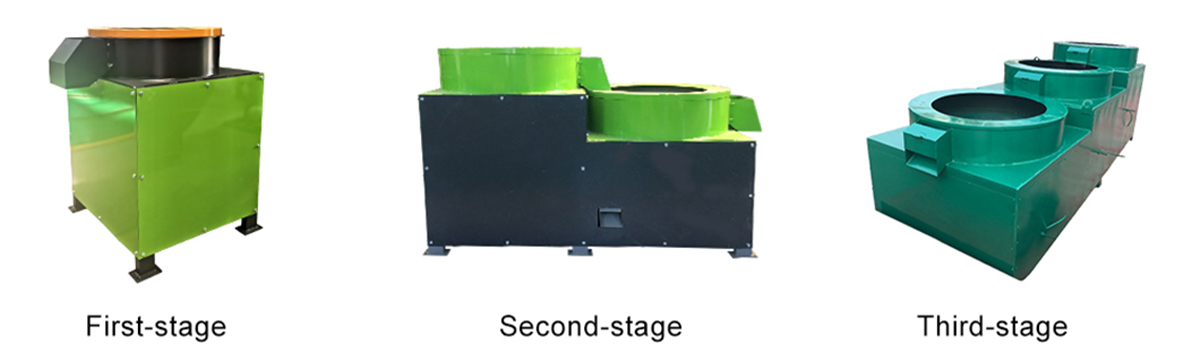
Technical parameters
| Model | PYJ 800-2 | PYJ 1000-2 | PYJ 1200-2 | PYJ 1200-3 | PYJ 1500-2 | PYJ 1500-3 |
| Yield(t/h) | 2.2-3.5 | 3.5-5 | 4-7 | 6-9 | 5-8 | 7-10 |
| Ball forming rate | ≥ 95% | ≥ 95% | ≥ 95% | ≥ 95% | ≥ 95% | ≥ 95% |
| Particle temperature | <30 Celsius | <30 Celsius | <30 Celsius | <30 Celsius | <30 Celsius | <30 Celsius |
| Power(kw) | 4x2 | 5.5x2 | 7.5x2 | 7.5x3 | 11x2 | 11x3 |
| Spindle diameter(mm) | 800mm | 1000mm | 1200mm | 1200mm | 1500mm | 1500mm |
Ball Forming Rate: ≥95%
Production Capacity: High output, capable of handling large quantities of materials
Energy Consumption: Low, ensuring efficient use of power
Maintenance: Easy to maintain with simple parts and clear instructions
Materials Handled: Suitable for a wide range of organic materials, including composted manure, plant residues, and other organic waste
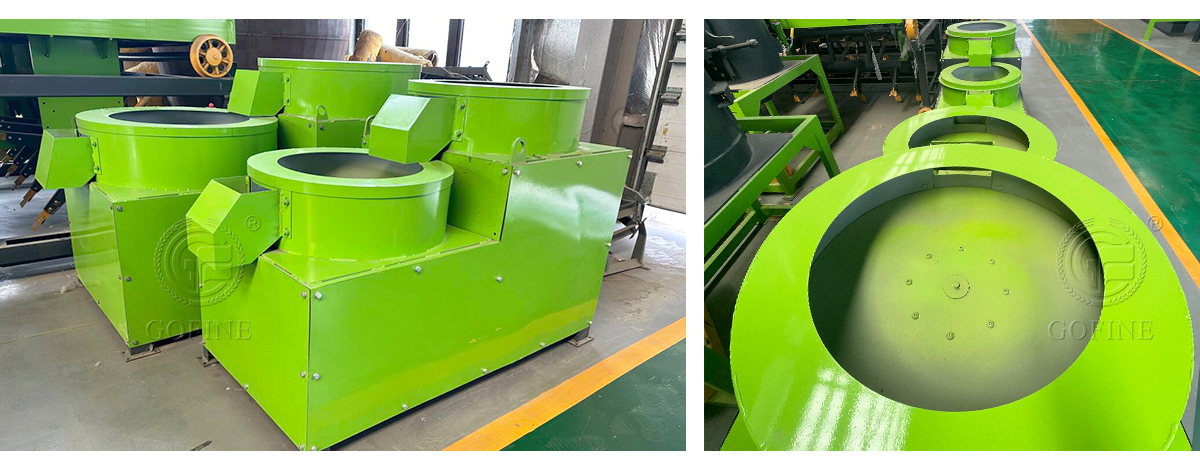
Disc Arrangement: Two or more round polishing discs arranged to ensure uniform polishing and shaping of the granules.
Primary Applications
This versatile polisher is essential for elevating the quality of various fertilizer types:
Organic Fertilizer Polishing: Perfect for polishing compost-based and bio-organic pellets, giving them a commercial, premium appearance.
NPK Compound Fertilizer Smoothing: Essential for creating uniform, hard pellets that prevent caking and ensure precise nutrient content per gram.
BB Fertilizer (Bulk Blend) Rounding: Smooths the pellets to reduce segregation in blended fertilizers, guaranteeing a consistent nutrient mix in every spreader pass.

Working Principle: Precision Polishing Process
Our fertilizer granule polishing machine features a simple yet efficient internal processing procedure:
Feeding: Irregular, dusty granules from the granulator are fed into the polishing machine's inlet.
Gentle Tumbling: The material enters a multi-stage grinding disc. As the discs rotate, the granules move continuously against the inner wall of the equipment under centrifugal force.
Abrasion and Polishing: During the tumbling process, the granules rub against each other in a controlled manner. This friction removes sharp edges, surface dust, and compacts the surface layer.
Dust Removal and Discharge: During the granule shaping process, liquids such as brighteners can be added, which removes dust from the granules. The polished granules are smooth and bright, ready for direct drying, coating, or packaging.

What other applications do granulation polishers have in organic fertilizer production?
The granulator produces the pellets, while the polisher refines them. Integrating our fertilizer pellet polisher with your granulator will give you a competitive edge in the fertilizer market.
Disadvantages of Granulation Alone: Even the best disc pelletizer or rotary granulators can produce pellets with issues such as dust, irregularities, and brittleness. This leads to decreased product quality, customer complaints, and lower market prices.
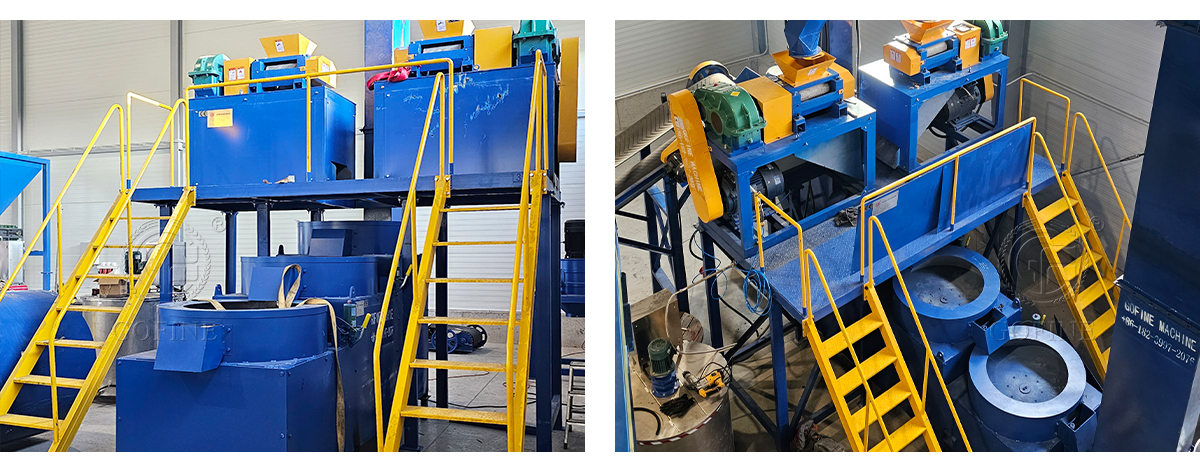
1. Combined Solution: Granulation Stage (e.g., roller extrusion granulator): Forms initial pellets from raw material powder.
2. Polishing Stage (our machine): This is the crucial value-added step. It refines the granulated pellets into a high-quality product.
3. Final Outcome: Placing our polisher after your granulator creates a seamless production line producing:
High-Quality Product: Uniform, shiny, dust-free pellets.
Higher Profitability: Superior product quality leads to higher selling prices and enhances your brand image.
Lower operating costs: Less dust means less waste, cleaner equipment, and a healthier production environment.

Our Services
We provide end-to-end service solutions that deliver results and peace of mind. From initial consultation to final delivery, our expert team is dedicated to understanding your unique challenges and crafting strategies that exceed expectations. Partner with us for a seamless, reliable, and professional experience that drives your success forward.

Don't let the limitations of your granulation output define your final product. Our Fertilizer Pellet Polishing Machine is the key to unlocking higher profit margins and building a reputation for quality.
Product Overview: From Granules to Perfection
Welcome to the final, critical step in premium fertilizer production. Our Fertilizer Pellet Polishing Machine is engineered to transform irregular, dusty, and sharp-edged granules from your granulator into uniform, smooth, and market-ready pellets. Also known as a Fertilizer Pellet Rounding Machine or Granule Polishing Machine, this equipment is not an option but a necessity for brands that want to command a higher price, improve storage and handling, and ensure customer satisfaction. If you face issues with dust, uneven appearance, or low granule strength, our polisher is your definitive solution.
Why Choose Gofine Machine Granules Polishing Machine?
1. Produces Uniform, Round Pellets
Solution: Irregularly shaped pellets lack a professional appearance and are prone to separation during packaging and application.
Our machine uses a gentle rotary polishing process to smoothly remove the edges and corners of the pellets, producing spherical pellets with a better appearance and consistent shape, ensuring even nutrient distribution.
2. Significantly Reduces Dust and Fine Powder
Solution: Dust generated during packaging creates a dirty and messy working environment, poses health risks, and leads to product loss.
The polishing process effectively separates and removes dust from the pellet surface. This produces dust-free fertilizer pellets, resulting in cleaner operations, less waste, and a healthier, more professional working environment.
3. Enhances Pellet Hardness and Durability
Solution: Fragile pellets are easily broken during bagging, transportation, and handling, ultimately turning into dust and fine powder.
Through controlled friction and compaction, the polishing machine increases the density and surface hardness of each pellet. This makes the granules more robust, able to withstand the test of the supply chain intact, ensuring your product arrives at the end user in perfect condition.
4. Gentle and Efficient Polishing
Solution: Over-processing can damage or crush newly formed granules.
Unlike granulators, our rotary polishing rollers use a controlled tumbling principle. This ensures effective polishing without compromising the structural integrity of your carefully produced granules.
5. Robust and Corrosion-Resistant
Solution: Wear and tear on equipment due to prolonged contact with highly abrasive and often corrosive fertilizers.
Our fertilizer granule polishing machines are constructed from high-quality steel, with key wear parts lined with wear-resistant materials, designed for long service life and low maintenance in harsh production environments.

Technical parameters
| Model | PYJ 800-2 | PYJ 1000-2 | PYJ 1200-2 | PYJ 1200-3 | PYJ 1500-2 | PYJ 1500-3 |
| Yield(t/h) | 2.2-3.5 | 3.5-5 | 4-7 | 6-9 | 5-8 | 7-10 |
| Ball forming rate | ≥ 95% | ≥ 95% | ≥ 95% | ≥ 95% | ≥ 95% | ≥ 95% |
| Particle temperature | <30 Celsius | <30 Celsius | <30 Celsius | <30 Celsius | <30 Celsius | <30 Celsius |
| Power(kw) | 4x2 | 5.5x2 | 7.5x2 | 7.5x3 | 11x2 | 11x3 |
| Spindle diameter(mm) | 800mm | 1000mm | 1200mm | 1200mm | 1500mm | 1500mm |
Ball Forming Rate: ≥95%
Production Capacity: High output, capable of handling large quantities of materials
Energy Consumption: Low, ensuring efficient use of power
Maintenance: Easy to maintain with simple parts and clear instructions
Materials Handled: Suitable for a wide range of organic materials, including composted manure, plant residues, and other organic waste
Disc Arrangement: Two or more round polishing discs arranged to ensure uniform polishing and shaping of the granules.
Primary Applications
This versatile polisher is essential for elevating the quality of various fertilizer types:
Organic Fertilizer Polishing: Perfect for polishing compost-based and bio-organic pellets, giving them a commercial, premium appearance.
NPK Compound Fertilizer Smoothing: Essential for creating uniform, hard pellets that prevent caking and ensure precise nutrient content per gram.
BB Fertilizer (Bulk Blend) Rounding: Smooths the pellets to reduce segregation in blended fertilizers, guaranteeing a consistent nutrient mix in every spreader pass.

Working Principle: Precision Polishing Process
Our fertilizer granule polishing machine features a simple yet efficient internal processing procedure:
Feeding: Irregular, dusty granules from the granulator are fed into the polishing machine's inlet.
Gentle Tumbling: The material enters a multi-stage grinding disc. As the discs rotate, the granules move continuously against the inner wall of the equipment under centrifugal force.
Abrasion and Polishing: During the tumbling process, the granules rub against each other in a controlled manner. This friction removes sharp edges, surface dust, and compacts the surface layer.
Dust Removal and Discharge: During the granule shaping process, liquids such as brighteners can be added, which removes dust from the granules. The polished granules are smooth and bright, ready for direct drying, coating, or packaging.

What other applications do granulation polishers have in organic fertilizer production?
The granulator produces the pellets, while the polisher refines them. Integrating our fertilizer pellet polisher with your granulator will give you a competitive edge in the fertilizer market.
Disadvantages of Granulation Alone: Even the best disc pelletizer or rotary granulators can produce pellets with issues such as dust, irregularities, and brittleness. This leads to decreased product quality, customer complaints, and lower market prices.
1. Combined Solution: Granulation Stage (e.g., roller extrusion granulator): Forms initial pellets from raw material powder.
2. Polishing Stage (our machine): This is the crucial value-added step. It refines the granulated pellets into a high-quality product.
3. Final Outcome: Placing our polisher after your granulator creates a seamless production line producing:
High-Quality Product: Uniform, shiny, dust-free pellets.
Higher Profitability: Superior product quality leads to higher selling prices and enhances your brand image.
Lower operating costs: Less dust means less waste, cleaner equipment, and a healthier production environment.

Our Services
We provide end-to-end service solutions that deliver results and peace of mind. From initial consultation to final delivery, our expert team is dedicated to understanding your unique challenges and crafting strategies that exceed expectations. Partner with us for a seamless, reliable, and professional experience that drives your success forward.

Don't let the limitations of your granulation output define your final product. Our Fertilizer Pellet Polishing Machine is the key to unlocking higher profit margins and building a reputation for quality.
Disk Granulator:
Operation: This type of granulator uses a rotating disk to shape the fertilizer material into round granules. As the disk rotates, the material is continuously mixed and compressed, forming granules due to the centrifugal force.
Advantages: Disk granulators are cost-effective and easy to operate. They are suitable for small to medium-scale operations and can handle a wide range of materials.
Disadvantages: They may have lower production capacities compared to other types and can be less precise in terms of granule size and shape.
Double Roller Granulator:
Operation: Double roller granulators use two counter-rotating rollers to compress and shape the fertilizer material into granules. The rollers have teeth or patterns that determine the size and shape of the granules.
Advantages: These machines offer higher production capacities and more precise control over granule size and shape. They are suitable for medium to large-scale operations and can handle materials with varying moisture contents.
Disadvantages: They may be more expensive and require more maintenance compared to disk granulators.
Pan Granulator:
Operation: Pan granulators use a rotating pan to shape the fertilizer material into granules. As the pan rotates, the material is continuously mixed and compressed, forming granules due to the centrifugal force and friction.
Advantages: Pan granulators are versatile and can handle a wide range of materials, including those with high moisture content. They offer moderate production capacities and good granule quality.
Disadvantages: They may be less efficient compared to other types and can be more difficult to operate and maintain.
Small Lab Pelletizer or Granulator:
Operation: These are smaller-scale granulators designed for laboratory or small-scale production. They can be drum-type, plate-type, or disc-type, offering flexibility for different research and development needs.
Advantages: Small lab pelletizers or granulators are ideal for testing new formulations, experimenting with different materials, and producing small batches of granulated fertilizers.
Disadvantages: They have limited production capacities and are not suitable for large-scale production.
Disk Granulator:
Operation: This type of granulator uses a rotating disk to shape the fertilizer material into round granules. As the disk rotates, the material is continuously mixed and compressed, forming granules due to the centrifugal force.
Advantages: Disk granulators are cost-effective and easy to operate. They are suitable for small to medium-scale operations and can handle a wide range of materials.
Disadvantages: They may have lower production capacities compared to other types and can be less precise in terms of granule size and shape.
Double Roller Granulator:
Operation: Double roller granulators use two counter-rotating rollers to compress and shape the fertilizer material into granules. The rollers have teeth or patterns that determine the size and shape of the granules.
Advantages: These machines offer higher production capacities and more precise control over granule size and shape. They are suitable for medium to large-scale operations and can handle materials with varying moisture contents.
Disadvantages: They may be more expensive and require more maintenance compared to disk granulators.
Pan Granulator:
Operation: Pan granulators use a rotating pan to shape the fertilizer material into granules. As the pan rotates, the material is continuously mixed and compressed, forming granules due to the centrifugal force and friction.
Advantages: Pan granulators are versatile and can handle a wide range of materials, including those with high moisture content. They offer moderate production capacities and good granule quality.
Disadvantages: They may be less efficient compared to other types and can be more difficult to operate and maintain.
Small Lab Pelletizer or Granulator:
Operation: These are smaller-scale granulators designed for laboratory or small-scale production. They can be drum-type, plate-type, or disc-type, offering flexibility for different research and development needs.
Advantages: Small lab pelletizers or granulators are ideal for testing new formulations, experimenting with different materials, and producing small batches of granulated fertilizers.
Disadvantages: They have limited production capacities and are not suitable for large-scale production.