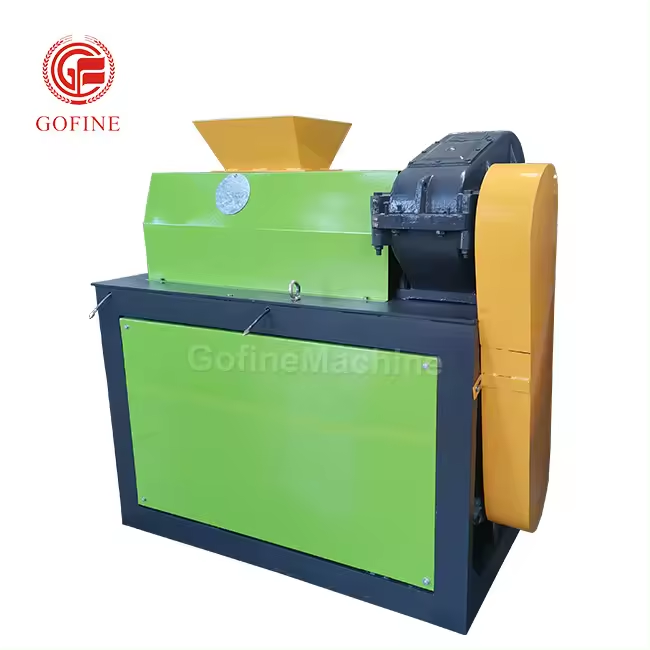
Modern fertilizer production faces intense operational hurdles. Rising energy costs squeeze margins, strict environmental regulations mandate lower emissions, and agronomic trends demand highly customized NPK blends. Plant operators must adapt to remain competitive. Traditional wet granulation methods require extensive drying and cooling phases. These thermal stages drive up capital expenditure through massive equipment footprints and inflate operating expenses via heavy fuel consumption. Wet processes also complicate moisture control and prolong deployment times. Dry compaction is rapidly becoming the standard method for new plant commissions. The double roller fertilizer granulator directly addresses these bottlenecks. It streamlines the production line by eliminating thermal processing, ensuring stable production runs, and drastically reducing energy dependencies. This shift offers a direct path to leaner, more efficient operations.
Key Takeaways
Energy Elimination: Dry granulation bypasses the need for rotary dryers and coolers, cutting energy consumption by up to 30-40% compared to wet granulation lines.
Operational Simplicity & Faster Deployment: Removing thermal processing equipment drastically reduces installation time, lowers initial investment, and simplifies operator training.
Footprint Reduction: Consolidating the process into a single compaction step significantly reduces the spatial requirements of the fertilizer granulation line.
Material Versatility: Highly effective for heat-sensitive materials and custom NPK formulations that degrade under traditional thermal drying.
CapEx vs. OpEx Balance: While roller replacement presents a recurring maintenance cost, the overall reduction in fuel, emissions control, and facility footprint yields a faster ROI for mid-to-high capacity plants.
The Shift Toward Dry Granulation Equipment in NPK Production
Defining the Success Criteria for Modern NPK Plants
Plant managers measure success through rigid, field-tested criteria. Granule crush strength must meet baseline Newton requirements to survive transport and mechanical spreading. Nutrient uniformity guarantees consistent field application, preventing crop burning or under-nourishment. Continuous uptime dictates overall yield and plant profitability. Energy consumption per ton remains the most scrutinized metric on the floor. Lowering this utility draw directly increases operational margins. Modern facilities must hit these targets consistently. We evaluate plant efficiency by looking at the raw output versus the utility input. If a plant spends half its energy budget just drying the product, the process is inherently flawed.
Limitations of Traditional Wet Granulation
Wet methods, such as drum or pan granulators, introduce severe operational friction. They rely heavily on chemical binders and precise water addition to achieve agglomeration. Getting the mixture right requires constant adjustment by experienced operators. The mandatory drying and cooling stages are highly energy-intensive. Massive rotary dryers consume vast amounts of natural gas or coal to flash off the added moisture. Cooling drums require heavy-duty exhaust fans and complex dust collection systems to stabilize the granules. This thermal dependency creates a fragile production environment. A slight shift in ambient humidity or a drop in burner efficiency can derail an entire production shift, resulting in tons of off-spec material.
Operational Metric
Traditional Wet Granulation
Dry Compaction
Moisture Requirement
10% - 20% (Requires added water/binders)
2% - 5% (Natural moisture only)
Thermal Processing
Mandatory (Rotary Dryers and Coolers)
None (Room temperature operation)
Footprint
Extensive (Horizontal layout)
Compact (Vertical gravity-fed layout)
Energy Source
Fossil Fuels + High Electrical Load
Electrical Load Only
The Role of Dry Compaction
Integrating dry granulation equipment fundamentally changes the plant workflow. It relies entirely on mechanical pressure rather than chemical binders and moisture. Thermal processing is completely eliminated from the flowsheet. This makes production significantly easier to manage. Operators focus on mechanical throughput, feeder speeds, and hydraulic pressure rather than complex chemical reactions and burner temperatures. Lowering overall utility usage becomes an immediate reality. The simplified workflow reduces the need for constant manual intervention and lowers the barrier for operator training.
Core Engineering: How the Double Roller Press Granulator Works
Extrusion and Compaction Mechanics
The physics of the double roller press granulator dictate its efficiency. Counter-rotating rollers draw in dry powder through a specific nip angle. This bite zone is where the material transitions from a loose powder to a solid mass. The rollers apply extreme mechanical pressure to the raw material, forcing particles together and creating strong intermolecular bonds. The machine forces the powder into a solid sheet, pillow, or briquette shape. The specific shape depends on the machined pockets on the roller surface. High-torque motors drive the rollers through heavy-duty gearboxes, ensuring consistent compaction force across the entire width of the die. Hydraulic accumulators maintain this pressure, absorbing shock loads if material density fluctuates.
Crushing and Screening Integration
The process does not end at the rollers. An immediate post-compaction phase follows to size the material. The compacted sheet drops directly into a specialized crushing unit positioned beneath the rollers. This crusher breaks the continuous sheet into smaller, jagged pieces. A vibrating screen then separates these pieces into final, uniform granules. Fines and oversized particles do not go to waste. They are automatically recycled back into the main feed hopper via bucket elevators or drag conveyors. This closed-loop system ensures maximum material utilization and prevents product loss.
Bypassing Thermal Processing
Operating at room temperature offers massive chemical advantages for specific formulations. It preserves the chemical integrity of volatile nitrogen compounds. Urea and ammonium nitrate remain stable under mechanical pressure. They do not melt, volatilize, or degrade as they would in a high-temperature rotary dryer. Heat-sensitive additives, such as beneficial microbes, urease inhibitors, or specific micronutrients, survive the compaction process intact. This allows manufacturers to create highly specialized, premium fertilizer blends without fear of thermal degradation. You keep the nutrients in the granule, not in the exhaust stack.
Key Evaluation Dimensions for an NPK Fertilizer Granulator
Energy Consumption and Operational Efficiency
Calculating energy savings per ton reveals the true value of dry compaction. Removing rotary dryers eliminates massive fossil fuel consumption. Eliminating coolers removes high-horsepower exhaust fans from the electrical grid. You no longer need massive cyclones and wet scrubbers to handle dryer exhaust, which also cuts down on wastewater treatment. The primary energy draw shifts entirely to the main drive motors of the NPK fertilizer granulator. This concentrated electrical load is highly efficient. Plants routinely see utility reductions exceeding 30% compared to traditional wet lines.
Production Stability and Uptime
Reducing the total number of machines minimizes potential points of failure. A traditional wet line contains dozens of interconnected thermal and mechanical systems. If one exhaust fan fails, or a burner faults out, the entire line stops. A dry compaction setup is vastly simpler. Material flows from the mixer to the compactor, then to the screener. Fewer moving parts lead to more stable, continuous production runs. Maintenance teams spend less time troubleshooting complex system cascades and more time optimizing the core mechanical equipment.
Granule Quality, Hardness, and Solubility
Roller-compacted granules possess distinct physical characteristics. They are highly dense due to the extreme mechanical pressure applied during formation. This density provides excellent crush strength for bagging, bulk storage, and transport. While they lack a perfectly spherical shape, their agronomic value remains high. The jagged edges break down rapidly when exposed to soil moisture. This rapid soil solubility ensures nutrients reach the plant roots quickly. The functional performance easily offsets the non-spherical aesthetic, especially in mechanized broad-acre farming.
Footprint and Integration into the Fertilizer Granulation Line
Spatial requirements dictate plant design and construction timelines. A double roller setup allows for a highly vertical, gravity-fed plant design. Raw materials sit in surge hoppers above the machine. Gravity feeds the powder into the variable speed dosers, then into the rollers. The compacted material drops directly into the crusher below. This vertical integration saves premium factory floor space. You do not need the long, horizontal footprint required by massive rotary drying and cooling drums. Building dimensions shrink, and structural steel requirements drop significantly.
Wet Granulation vs. Double Roller Press Granulator: Conceptual Trade-Offs
Capital Expenditure (CapEx) vs. Operating Expenses (OpEx)
Comparing initial equipment procurement and setup reveals stark differences. A full wet line requires a granulator, a massive rotary dryer, a cooling drum, a steam boiler, and complex wet scrubbers. The CapEx is enormous, requiring heavy foundation work and extensive ducting. A dry line requires only the roller press, a crusher, and a screener. The initial investment is significantly lower. OpEx follows a similar trend. Wet lines consume massive amounts of fuel and water. Dry lines consume only electricity for the drive motors. The long-term resource advantage heavily favors dry compaction.
Market Acceptability of Granule Shapes
Aesthetic trade-offs exist between the two methods. Roller compaction produces irregular, pillow, or walnut shapes. Wet methods produce perfectly spherical granules. Some regional markets heavily favor round granules for aesthetic reasons or legacy spreading equipment. However, modern broadcast spreaders handle irregular compacted granules exceptionally well. Educating local markets on the rapid solubility and high nutrient density of compacted granules quickly overcomes initial aesthetic objections. The functional benefits drive ultimate market acceptance.
Material Suitability and Moisture Thresholds
Strict moisture limits govern roller compaction success. The raw material must typically maintain a 2-5% moisture content. Exceeding this threshold causes the powder to paste onto the rollers. Falling below this threshold prevents proper intermolecular bonding, resulting in excessive dust. Certain NPK formulations thrive in dry compaction. Blends with high urea or ammonium sulfate content compact beautifully. Formulations requiring high plasticity or containing highly hygroscopic materials may still require traditional wet methods in a fertilizer granulation line.
Yield Rates and Recirculation Loads
Dry compaction yield rates require a different operational mindset. First-pass yield is often lower than wet methods. Only a percentage of the powder forms perfect granules on the first pass through the rollers. However, the closed-loop recycling of fines makes the overall process highly efficient. The uncompacted powder automatically returns to the feed hopper. It acts as a seed for the next pass, improving subsequent compaction. This continuous recirculation results in zero material waste, even if the circulating load is higher.
Sizing and Selecting Your Compound Fertilizer Machine
Capacity Requirements and Roller Dimensions
Matching machine specifications to target output is critical. You must align the roller width, diameter, and motor kW to your desired tons-per-hour (TPH). A small 1-TPH machine requires narrow rollers and a standard motor. A 10-TPH facility demands massive, wide rollers driven by dual high-torque motors. Undersizing the machine leads to constant bottlenecking and motor burnout. Oversizing wastes capital and electrical efficiency. Work closely with engineers to calculate exact throughput requirements based on your specific NPK bulk density before purchasing a compound fertilizer machine.
Identifying High-Quality Manufacturing Standards
Spotting premium equipment prevents costly downtime. Heavy-duty frame rigidity is non-negotiable. The machine generates immense internal forces. A weak frame will flex, destroying bearings and misaligning the rollers. Premium bearing seals are vital to prevent abrasive dust ingress. Dust destroys standard bearings within weeks. High-efficiency motors ensure maximum torque delivery without excessive heat generation. Inspect the welding quality and the thickness of the main support structures before signing off on the equipment.
Metallurgy and Wear Resistance
Roller shell materials dictate maintenance intervals. Processing highly abrasive or corrosive NPK salts destroys standard steel quickly. You must demand forged alloy steel for the roller shells. Specialized anti-corrosion coatings or high-chromium alloys extend the lifespan of the pockets. The initial cost of premium metallurgy pays for itself rapidly by reducing the frequency of roller replacement. Ask the manufacturer for specific Rockwell hardness ratings on the roller surfaces and verify them upon delivery.
Hydraulic vs. Mechanical Pressure Systems
The pressure delivery system defines the machine's reliability. Traditional mechanical spring-loaded systems lose tension over time. They require constant manual adjustment to maintain uniform compaction. Hydraulic-backed rollers provide superior pressure consistency. A hydraulic pump maintains exact pressure across the entire roller width. Furthermore, hydraulic systems offer automatic pressure relief. If a piece of tramp metal enters the machine, the hydraulics instantly back off, preventing catastrophic roller damage.
Implementation Realities and Adoption Risks
Managing Raw Material Feed Consistency
Inconsistent feed rates destroy compaction efficiency. Surges in powder flow cause the rollers to jam, tripping the motor breakers. Starving the machine leads to weak, crumbly granules. You must install automated, variable-speed dosing feeders above the compactor. These feeders ensure a perfectly metered flow of raw material into the nip angle. Consistent feed guarantees consistent pressure application. This directly translates to uniform granule density and higher first-pass yield rates.
Moisture Control Vulnerabilities
Moisture management remains a critical operational risk. If raw material moisture exceeds the 5% threshold, production stops. The damp powder sticks to the roller pockets, filling them completely. Subsequent powder has nowhere to compress. Equipment downtime follows immediately as operators must manually chisel the hardened material out of the pockets. Storing raw materials in climate-controlled environments prevents ambient humidity absorption. Strict moisture testing before mixing is mandatory.
Operator Training and Workflow Simplification
Transitioning to a dry line fundamentally shifts operator focus. They no longer manage complex thermal and chemical balances. They do not monitor burner temperatures or exhaust gas emissions. Instead, they monitor mechanical pressure gauges, feeder speeds, and screening efficiency. Training focuses on reading hydraulic pressure trends and adjusting variable frequency drives. This mechanical focus is generally easier to teach. It reduces the reliance on highly specialized chemical engineers on the factory floor.
Maintenance Protocols for High-Pressure Rollers
Realistic maintenance schedules prevent catastrophic failures. The extreme pressures involved take a toll on the equipment. Roller resurfacing or complete replacement is a recurring reality. Depending on material abrasiveness, rollers require attention every 6 to 18 months.
Inspect hydraulic lines weekly for micro-leaks that could drop compaction pressure.
Grease main roller bearings daily using high-temperature, dust-resistant synthetic lubricants.
Check roller alignment monthly to ensure parallel operation and prevent uneven shell wear.
Calibrate the variable speed dosing feeders quarterly to maintain accurate mass flow into the bite zone.
Examine the crusher blades beneath the rollers for dulling, replacing them before they generate excessive fines.
Conclusion
Conduct pilot compaction trials with your equipment manufacturer using your exact NPK formulations to verify required hydraulic pressure and baseline wear rates.
Audit your raw material storage facilities to ensure strict climate control, preventing ambient moisture absorption before the powder reaches the compactor.
Specify hydraulic pressure systems over mechanical springs during procurement to guarantee long-term pressure consistency and automatic tramp metal protection.
Design your plant layout with a vertical, gravity-fed material flow to maximize the footprint reduction benefits of dry compaction.
FAQ
Q: What is the ideal moisture content for a double roller fertilizer granulator?
A: The optimal moisture range is strictly between 2% and 5%. Maintaining this low moisture level ensures proper intermolecular bonding under high pressure. Exceeding 5% causes the raw material to paste and stick to the roller pockets, leading to severe equipment jamming and poor compaction.
Q: How long do the rollers last before needing replacement or resurfacing?
A: Roller lifespan depends heavily on material abrasiveness, typically ranging from 6 to 18 months. Processing highly abrasive NPK salts accelerates wear. Utilizing wear-resistant alloys, such as forged alloy steel or high-chromium coatings, significantly extends the operational life of the rollers.
Q: Can a double roller press granulator produce perfectly spherical granules?
A: No, roller compaction does not produce perfectly spherical granules. The mechanical extrusion process creates irregularly shaped, walnut, or pillow-shaped granules. This differs entirely from the perfectly round output generated by traditional wet pan or drum granulators.
Q: Does dry granulation equipment require the use of chemical binders?
A: Dry granulation generally eliminates the need for added liquid chemical binders. The machine applies extreme mechanical pressure to the raw powder. This intense force creates strong intermolecular bonding between the dry particles, forcing them into a solid, cohesive state naturally.
Q: How does a compound fertilizer machine handle different NPK ratios?
A: A compound fertilizer machine handles varying NPK ratios through adjustable mechanical settings. Operators can easily adjust the hydraulic pressure and the gap between the rollers. This flexibility accommodates the varying bulk densities and compaction characteristics of different custom formulations.
Q: What happens to the dust and fines generated during roller compaction?
A: Dust and fines are managed through a highly efficient closed-loop screening process. After the compacted sheet is crushed, a vibrating screen separates the final granules. All undersized particles and dust are automatically conveyed back to the main feed hopper for immediate re-compaction.