Primary and secondary size reduction dictates granulation efficiency and final product yield in fertilizer manufacturing. Inconsistent particle sizes degrade the entire production line. Oversized materials prevent proper agglomeration, while excessive fines create dust management issues and require constant recycling. Improper crusher selection causes severe operational bottlenecks across the plant. Facilities regularly face material bridging, screen blinding from high-moisture inputs, inability to handle large feed sizes, and excessive downtime for wear part replacement. Resolving these mechanical failures requires evaluating the two dominant size reduction solutions. We will compare the engineering mechanics of the cage crusher and the hammer crusher. Material characteristics dictate the appropriate technology choice. Moisture content, abrasiveness, brittleness, and initial feed size determine which machine will provide the best operational economy.
Moisture Tolerance is the Deciding Factor: Cage crushers excel with wet, sticky, or high-moisture fertilizer blends due to their screenless design, whereas hammer crushers are prone to blinding and clogging under similar conditions.
Throughput vs. Consistency: Hammer crushers offer superior raw throughput for dry, brittle materials (often exceeding 150-200 tons per hour in optimal conditions), but cage crushers deliver a tighter, more consistent particle size distribution critical for compound fertilizer equipment.
Operational Costs: While a hammer crusher typically presents a lower initial capital expenditure, the operational downtime and wear-part replacement costs can exceed those of a cage crusher in abrasive or high-moisture applications.
System Integration: Selecting the right fertilizer pulverizer requires aligning the crusher’s output specifications with downstream granulation and drying stages to prevent system-wide inefficiencies.
Defining Success Criteria for a Fertilizer Pulverizer
Granulation Readiness
Uniform particle size distribution directly impacts the binding process in rotary drum or pan granulators. Granulation relies on a delicate balance of liquid phase and solid particles. When raw materials enter the granulator, they must possess the correct surface area to absorb steam, water, or chemical binders. Oversized particles act as weak points within the formed granule. These large chunks prevent tight agglomeration, leading to brittle final products that shatter during bagging or transport. A reliable fertilizer pulverizer ensures the material enters the granulation circuit at the exact micron range required for stable pellet formation. Tight particle size control reduces the recycling load, lowering overall energy consumption. Facilities waste thousands of kilowatts annually just reprocessing oversized rejects that a properly calibrated mill should have caught on the first pass. The physical integrity of the final fertilizer pellet depends entirely on the consistency of the feed material provided by the primary crushing circuit.
Moisture Handling Capabilities
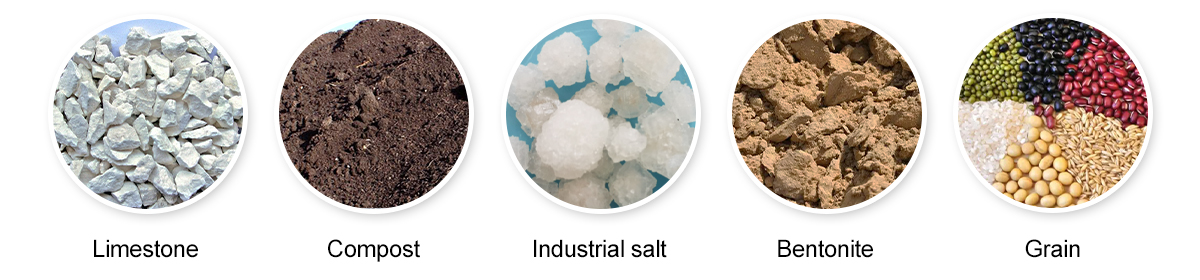
Raw materials entering the plant contain varying moisture levels. Urea, monoammonium phosphate (MAP), diammonium phosphate (DAP), and organic compost all exhibit different hygroscopic properties. Acceptable moisture thresholds define baseline equipment performance. When moisture exceeds specific mechanical limits, material sticks to internal crushing components. This buildup degrades throughput rapidly. Wet materials bridge across discharge openings, forcing operators to halt production for manual cleaning. Understanding the exact moisture percentage of your raw feed is the most critical step in specifying reduction machinery. Equipment must process these sticky inputs without requiring constant intervention. If your raw material sits in an open yard absorbing ambient humidity, your crushing circuit must accommodate those seasonal moisture spikes without choking. Operators cannot afford to shut down the line every time a humid weather front moves through the region.
Maximum Feed Size and Capacity Demands
Raw material input sizes and required tons-per-hour throughput establish the physical requirements for the crushing circuit. Equipment must handle the maximum lump size delivered directly from bulk storage. Loaders often dump large, compacted blocks of aged fertilizer into the receiving hoppers. If the crusher opening cannot accept these blocks, operators must pre-break the material, adding unnecessary labor. Insufficient throughput capacity bottlenecks the entire fertilizer production equipment line. The pulverizer must process material faster than the downstream granulator consumes it, ensuring a continuous, uninterrupted feed rate. You cannot afford to starve the granulator because the primary crusher is struggling to digest oversized lumps of hardened phosphate rock. The feed opening dimensions and the internal chamber volume must align with the bucket size of your front-end loaders and the width of your feed conveyors.
Continuous Operation Requirements
Mean time between failures dictates plant profitability. Maintenance shutdowns in a continuous production environment carry heavy financial penalties. Every hour spent replacing wear parts or clearing clogs represents lost revenue. Equipment must run reliably between scheduled maintenance windows. Plant managers must evaluate how long wear parts last under continuous load. They must also consider the labor hours required to perform routine servicing. A machine with cheaper parts might cost more to operate if it requires weekly shutdowns for maintenance. We measure success by how many consecutive shifts the equipment runs without requiring a mechanic to open the access doors. Reliable continuous operation requires heavy-duty bearings, oversized shafts, and wear-resistant metallurgy designed specifically for the harsh chemical environment of a fertilizer plant.
The Cage Crusher Machine: Mechanics, Strengths, and Limitations
Operational Mechanics
The cage crusher machine operates using multiple rows of counter-rotating cages. Heavy-duty tubular pins form these concentric cages. The inner and outer rows spin in opposite directions at high velocities. Raw material drops directly into the center of the inner cage. Centrifugal force pushes the material outward. The opposing rotation creates a violent, multi-stage impact zone. Material shatters as it strikes the pins of the inner cage, and then shatters again as it hits the pins of the outer cage moving in the reverse direction. This design completely eliminates restrictive grates or screens at the discharge point. The pulverized material simply falls through the open bottom of the housing. The lack of internal restriction allows the machine to process high volumes of material rapidly without creating internal backpressure.
Primary Strengths
This screenless design provides exceptional moisture handling capabilities. The machine processes high-moisture materials up to 20-30% without clogging. Sticky compounds pass through the impact zone freely. The high-velocity impact creates a self-cleaning operational dynamic. Material cannot easily adhere to the rapidly spinning pins. The unit proves highly effective for a wide variety of brittle and semi-brittle materials. Typical applications include phosphate rock, gypsum, coal additives, and mixed compound fertilizers. Output gradation remains highly consistent throughout the lifespan of the wear parts. Because the machine relies on impact rather than grinding against a screen, the particle size distribution stays tight until the pins completely wear through. This consistency ensures the downstream granulator receives a uniform feed, stabilizing the entire production process.
Implementation Risks and Limitations
Initial capital investment runs higher compared to standard impactors. The dual-motor design and heavy-duty shaft assemblies require substantial upfront expenditure. Maintenance requires precise dynamic balancing. If operators replace pins unevenly, the resulting vibration can destroy the main bearings. Replacing cage pins involves specialized procedures and trained personnel. Processing very hard or highly abrasive materials demands higher energy consumption per ton. The machine must maintain high rotational speeds to generate sufficient impact force, which draws significant electrical power. Facilities must ensure their electrical infrastructure can handle the starting amperage of two large industrial motors firing simultaneously.
The Hammer Crusher for Fertilizer: Mechanics, Strengths, and Limitations
Operational Mechanics
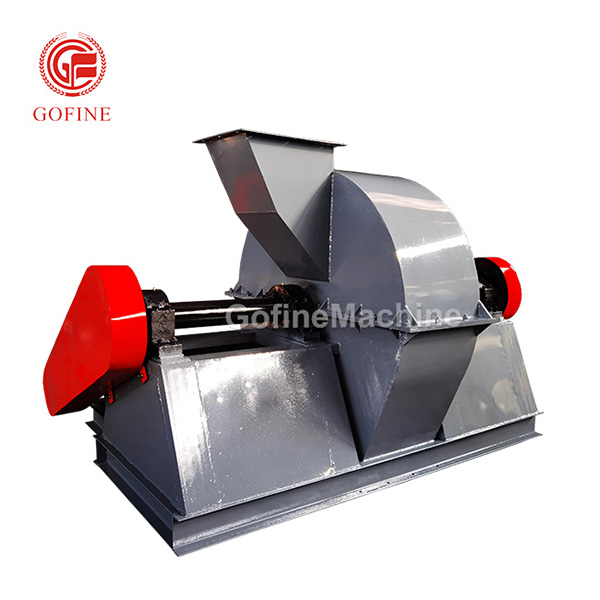
A hammer crusher fertilizer setup relies on a heavy, high-speed rotating shaft. Thick steel hammers attach to this central rotor via pivot pins. As the rotor spins, centrifugal force extends the swinging hammers outward. Raw material enters the crushing chamber and immediately receives a massive kinetic blow from the hammers. The hammers crush the material against heavy, corrugated breaker plates lining the upper housing. After the initial impact, the shattered material falls toward the bottom of the chamber. The machine forces the material through a sizing discharge screen or grate. Only particles small enough to pass through the grate openings can exit the machine. The grate acts as a strict physical barrier, guaranteeing that no oversized material escapes the crushing chamber.
Primary Strengths
These machines deliver massive reduction ratios in a single pass. They provide exceptional throughput capacities for dry, soft, or brittle materials. Optimal conditions allow large models to routinely process 150-200 tons per hour. The large feed opening handles slightly larger initial feed sizes compared to standard cage mills. Upfront equipment costs remain relatively low due to the simpler single-rotor design. Aftermarket parts offer widespread availability across various industrial suppliers. The simple mechanical design makes routine hammer replacement straightforward. Maintenance crews can easily open the housing, pull the pivot pins, and flip or replace the hammers without specialized balancing equipment. This simplicity reduces the reliance on highly specialized technicians for routine wear part swaps.
Implementation Risks and Limitations
The system suffers severe vulnerability to screen blinding. Processing materials with moisture content exceeding 8-10% causes immediate operational failure. Wet dust bridges across the grate openings through capillary action. This blocks the discharge path entirely. Abrasive compounds cause rapid wear on both the hammers and the discharge screens. As the hammer edges round off from wear, the gap between the hammer tip and the screen widens. This widening leads to a gradual but significant increase in output particle size before maintenance is performed. Operators must constantly monitor the product output to ensure the widening gap has not compromised the granulation feed specifications.
Head-to-Head Technical Evaluation
Material Moisture and Clogging Resistance
The screenless discharge of the cage crusher prevents material buildup entirely. Wet, sticky materials exit the crushing chamber freely due to gravity and centrifugal force. Hammer crushers rely entirely on restrictive grates to control size. Screen blinding in hammer units traps material inside the active crushing chamber. The rotor continues to spin against the trapped material. This causes severe heat buildup, massive motor amperage spikes, and forced thermal shutdowns. Clearing a blinded hammer mill requires operators to lock out the equipment, open the housing, and manually chip away the compacted fertilizer with hand tools. This manual clearing process exposes workers to confined space hazards and halts production for hours.
Feed Size, Throughput Capacity, and Installation Footprint
Hammer units accept larger raw chunks and push higher peak volumes. Their heavy rotors carry immense kinetic energy, allowing them to smash large blocks of compacted raw material easily. Cage units require slightly smaller feed sizes to prevent jamming between the inner cage and the feed chute. They maintain steady, consistent flow rates rather than massive peak volumes. Stationary plant integration suits both designs perfectly. However, mobile crushing setups in agricultural or remote compost applications often favor the compact nature and single-drive simplicity of specific hammer mills. Plant engineers must measure the available vertical clearance and structural support capacity before selecting either machine, as both generate significant dynamic loads during operation.
Particle Size Distribution (PSD) Control
Wear directly affects output quality in different ways for each machine. Hammer crushers produce progressively coarser material as the hammer edges wear down. The widening gap reduces the grinding efficiency against the screen. Operators must constantly monitor the output to ensure it meets granulation standards. Cage crushers maintain a relatively stable particle size distribution until the pins fail completely. The impact velocity remains constant regardless of pin wear. PSD variance negatively impacts downstream compound fertilizer equipment by altering the liquid binding dynamics in the granulator, leading to weak pellets and high recycle rates. Consistent PSD ensures the binder liquid coats the particles evenly, creating a strong, uniform final product.
Maintenance, Wear Parts, and Operational Downtime
Hammer crushers require frequent maintenance intervals. Operators must regularly turn or replace hammers to maintain a sharp impact edge. Screen clearing becomes a daily task if moisture levels fluctuate. Cage crushers require much less frequent interventions. They run for extended periods without attention. However, when cage replacements are necessary, the process demands more technical skill. Technicians must extract the heavy cage assemblies and ensure perfect dynamic balancing upon reinstallation. Long-term operational economy depends heavily on balancing the frequency of hammer mill shutdowns against the technical complexity of cage mill overhauls.
Lock out and tag out all electrical power sources to the crushing circuit.
Open the heavy steel access doors using the hydraulic assist cylinders.
Inspect the wear surfaces of the impact pins or steel hammers for uneven degradation.
Measure the clearance gap between the rotor and the housing to ensure it remains within factory tolerances.
Replace worn components in balanced sets to prevent catastrophic vibration during startup.
Energy Efficiency and Operating Costs
Calculating cost-per-ton requires factoring in power draw, consumable wear parts, and lost revenue from maintenance downtime. Hammer mills draw less power when running perfectly dry material. Cage mills draw higher consistent power due to the dual-motor setup. However, if a hammer mill constantly bogs down on wet material, its energy efficiency plummets. The constant stopping and starting of a clogged hammer mill wastes massive amounts of electricity. Plant managers must look beyond the nameplate horsepower and evaluate the actual energy consumed per ton of acceptable product generated.
Technical Specification
Cage Crusher
Hammer Crusher
Moisture Tolerance
High (Up to 20-30%)
Low (Max 8-10%)
Discharge Mechanism
Screenless / Open Bottom
Restrictive Sizing Grate
PSD Consistency
Highly stable throughout wear life
Degrades as hammers wear down
Peak Throughput
Moderate to High
Very High (150-200+ TPH)
Maintenance Complexity
High (Requires dynamic balancing)
Low (Simple pin and hammer swap)
Best Application
Wet, sticky, mixed compound fertilizers
Dry, brittle, bulk raw materials
Troubleshooting Scenario
Cage Crusher Solution
Hammer Crusher Solution
Sudden Motor Amperage Spike
Check for oversized foreign metal jamming the inner cage.
Clear blinded discharge screens immediately.
Excessive Housing Vibration
Rebalance the cage assemblies; check for broken pins.
Replace worn hammers in opposing pairs to restore balance.
Oversized Product Output
Inspect pins for severe wear; replace cage if necessary.
Adjust breaker plates closer to the rotor or replace screens.
Sourcing and Implementation: Evaluating a Crushing Machine Supplier
Material Testing
Partnering with a reliable crushing machine supplier requires access to pilot-scale testing facilities. Never purchase reduction equipment based solely on theoretical capacity charts. You must validate the equipment choice using your plant's specific raw material blend. Send bulk samples to the manufacturer. Testing reveals exact throughput capabilities, precise power requirements, and actual moisture tolerance limits. The supplier should provide a detailed particle size distribution curve based on the test run. This data guarantees the machine will feed your granulator correctly. Testing also exposes potential issues with material abrasiveness, allowing the manufacturer to recommend the correct metallurgy for the internal wear parts before the machine arrives at your facility.
Customization Capabilities
Standard off-the-shelf machines rarely provide optimal performance for complex fertilizer blends. Look for suppliers offering variable speed drives (VFDs). VFDs allow operators to fine-tune the impact velocity, adjusting the output particle size without changing mechanical parts. Custom metallurgy extends wear part life significantly. Request tungsten carbide coatings or high-chrome alloys for pins and hammers when processing abrasive inputs like phosphate rock. Tailored discharge chutes prevent material bridging downstream, ensuring smooth integration with your existing conveyors. The ability to modify the feed hopper angle prevents sticky materials from hanging up before they even reach the crushing chamber.
Aftermarket Support and Warranties
Evaluate vendor service level agreements carefully before finalizing procurement. Parts availability dictates your recovery time during a catastrophic breakdown. Ensure the supplier stocks critical wear parts domestically. Review the warranty terms regarding rotor balancing and bearing life. Field service engineering support ensures long-lasting, low-maintenance operation. The supplier should offer on-site commissioning and maintenance training for your plant personnel. A strong vendor relationship ensures you have immediate access to technical support when production halts unexpectedly at two in the morning.
Conclusion
Document your exact material specifications, including maximum moisture content, bulk density, and target micron size for the granulator.
Measure the maximum feed size delivered from your current bulk storage facilities to ensure the crusher opening is sufficient.
Initiate material testing protocols with qualified equipment manufacturers using your actual production blends.
Calculate the financial impact of maintenance downtime for your specific production schedule to evaluate true operational economy.
FAQ
Q: What is the maximum moisture content a cage crusher can handle in fertilizer production?
A: A cage crusher typically handles moisture contents between 20% and 30%. The screenless, open-bottom design prevents wet, sticky materials from bridging or clogging. This high tolerance far exceeds standard crushers, which usually fail when moisture surpasses 10%.
Q: Why does a hammer crusher fertilizer setup clog easily?
A: Hammer crushers rely on discharge screens or grates to control particle size. When processing sticky or wet materials, the damp dust bridges across the grate openings through capillary action. This buildup rapidly blocks the discharge path, causing complete screen blinding.
Q: How do wear parts differ between a cage crusher machine and a hammer mill?
A: A cage crusher utilizes multi-row tubular steel pins arranged in concentric, counter-rotating rings. A hammer mill uses heavy, swinging steel hammers attached to a central rotor, which crush material against stationary breaker plates and sizing screens.
Q: How do cage and hammer crushers compare to vertical chain crushers for fertilizer?
A: Vertical chain crushers offer high versatility and operational economy for processing general high-moisture organic fertilizers. However, cage crushers provide much tighter particle size control, which is essential for granulating complex inorganic compound fertilizers.
Q: Can a fertilizer pulverizer be used for both organic and inorganic compounds?
A: Yes, but equipment versatility depends heavily on the specific chemical composition, abrasiveness, and moisture levels. Organics are often wet and fibrous, while inorganics like gypsum or phosphate are abrasive and brittle. Screenless impactors generally handle both better than grate-based mills.
Q: What should I look for in a crushing machine supplier for compound fertilizer equipment?
A: Prioritize suppliers that offer in-house material testing with your specific blends. Look for custom metallurgy options to combat abrasion and guaranteed domestic parts availability to minimize plant downtime during unexpected breakdowns.