Converting spent mushroom substrate (SMS) into high-value fertilizer offers a massive commercial opportunity. Raw mushroom compost poses distinct logistical hurdles. It is incredibly bulky. It retains excess moisture. Selling it raw usually yields very low margins. Transporting this heavy material eats directly into your profits. Granulating this agricultural waste solves these precise challenges. Pelletizing transforms loose, unwieldy substrate into a premium commodity. This simple transition opens doors to lucrative retail gardening and commercial farming markets.
This comprehensive guide details the entire end-to-end commercial process. You will learn how to navigate from initial material preparation to finalizing your equipment lineup. We will explore how to build a scalable, highly profitable production environment. We will also examine machinery selection techniques tailored to your specific output goals.
Key Takeaways
Waste-to-Wealth ROI: Processing raw mushroom compost into granules increases nutrient density, extends shelf life, and significantly boosts retail profit margins.
Critical Machinery: An efficient organic fertilizer granules production line requires precise integration of crushing, granulating, polishing, and drying equipment.
Selection Matters: Choosing between a disc granulator, rotary drum, or wet granulator depends heavily on your target capacity and budget.
Quality Control: Utilizing a fertilizer granule polishing machine is the key to producing the uniform, spherical pellets that premium buyers demand.
The Commercial Value of Mushroom Compost Processing
Unprocessed spent mushroom compost carries significant logistical burdens. It suffers from severe nutrient leaching during outdoor storage. Harmful pathogens often persist in untreated raw piles. The naturally high moisture volume drastically inflates transportation costs. Consequently, selling raw compost yields narrow margins. It restricts your market reach entirely.
The granulation solution flips this economic dynamic. Proper mushroom compost processing transforms bulky waste into a standardized product. Granules function as a highly efficient, slow-release organic fertilizer. This refined format commands premium pricing across multiple sales channels.
B2B Agricultural Markets: Commercial farmers value predictable, uniform application rates. Granules allow for precise mechanical spreading across large acreage.
B2C Retail Consumers: Home gardeners appreciate clean, odor-free, shelf-stable packaging. Granulated fertilizer prevents the mess associated with loose compost.
Mushroom compost boasts an exceptional nutrient profile naturally. It delivers exceptionally high organic matter to depleted soils. It contains vital trace minerals like calcium and magnesium. These distinct elements validate its strong performance in rigorous field applications. You must thoroughly ferment raw mushroom compost before granulating. Fermentation actively eliminates harmful pathogens. It effectively breaks down organic matter into bio-available nutrients. This crucial step ensures a stable, odor-free final product.
| Metric | Raw Mushroom Compost | Processed Granular Fertilizer |
| Moisture Content | Very high (60-70%) | Optimized (Under 15%) |
| Transportation Logistics | Highly expensive due to excess water weight | Highly economical due to dense compaction |
| Application Method | Requires heavy machinery or manual labor | Compatible with standard mechanical spreaders |
| Commercial Value | Low commodity bulk pricing | Premium retail and commercial margins |
Core Stages of an Organic Fertilizer Granules Production Line
Building an effective organic fertilizer granules production line requires careful technical orchestration. You must link several physical stages seamlessly together. This prevents bottlenecks and ensures continuous throughput.
Composting and Fermentation: This initial stage prepares the raw material. You utilize compost turners to aerate the substrate actively. Turning stabilizes internal pile temperatures efficiently. It helps you achieve an optimal moisture level. Operators typically target around 30-35% moisture content here to prepare for crushing.
Crushing and Mixing: You cannot granulate chunky materials successfully. Facilities use semi-wet material crushers to pulverize large clumps. Operators then utilize horizontal mixers to blend the crushed substrate. This ensures a perfectly uniform powder base. Uniformity remains absolutely critical for successful pellet formation later.
Granulation, Drying, and Cooling: This represents the continuous physical process of forming pellets. The granulator shapes the powder into round granules. Next, massive rotary dryers remove excess moisture down to below 15%. Finally, cooling machines bring the pellets down to ambient temperature. Cooling prevents immediate caking during the bagging process.
Best Practice: Invest heavily in your primary crushing stage. Finer raw compost powder guarantees a much higher success rate. It drastically improves your total yield during the primary granulation phase. It reduces the volume of rejected granules returning to the crusher.

Commercial machinery transforms raw mushroom compost into premium, uniform fertilizer granules.
Evaluating Your Organic Fertilizer Granulator Machine Options
Selecting the right organic fertilizer granulator machine dictates your long-term operational efficiency. Facility managers must choose equipment based on specific volume targets. You must balance your initial budget against your desired production capacity.
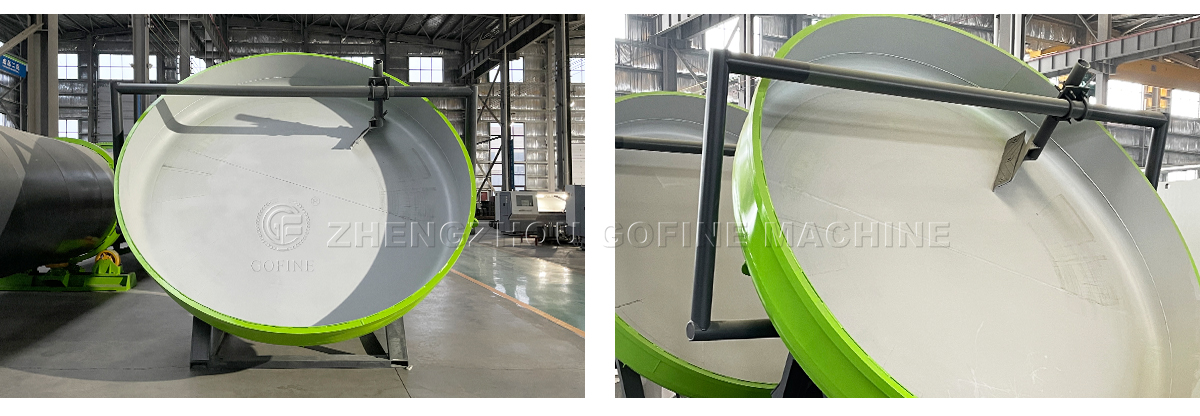
Disc Pan Granulator
This traditional machine fits small to medium-scale operations perfectly. It typically handles roughly 1 to 3 tons per hour effectively.
Best for: Startups and regional composting facilities moving into granulation.
Pros: It offers high visibility of the pelletizing process. You can easily adjust the disc angle to modify pellet size. It requires lower initial capital expenditure.
Cons: The machine demands more manual oversight. Operators need distinct experience to maintain consistent granule sizes continuously.

Rotary Drum Granulator
This heavy-duty option dominates large-scale, continuous commercial production lines. It processes up to 30 tons per hour effortlessly.
Best for: Massive industrial facilities processing immense volumes of daily waste.
Pros: It handles massive volumes highly efficiently. It utilizes steam or water injection for superior material binding. This creates very strong internal pellet structures.
Cons: It carries a significantly larger factory footprint. It also demands a much greater initial investment.
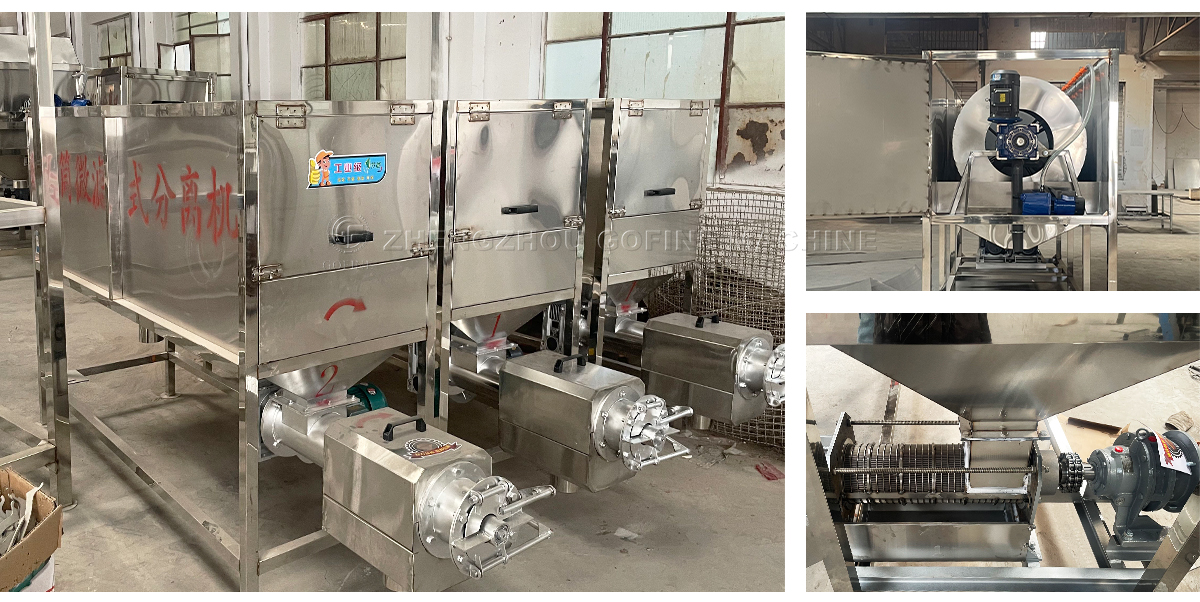
New Type Wet Granulator (Stirring Tooth Granulator)
This advanced unit processes high-moisture organic waste brilliantly using internal aerodynamic forces.
Best for: High-moisture organic waste like heavily saturated mushroom substrate.
Pros: It boasts an extremely high granulation rate, often exceeding 90%. It consistently produces highly dense and highly durable granules without requiring preliminary drying.
Pro Tip: When selecting your equipment, match the machinery strictly to your anticipated daily throughput. Oversizing wastes valuable energy capacity. Undersizing creates immediate, crippling production bottlenecks across your entire line.
Perfecting the Output: The Fertilizer Granule Polishing Machine
Raw granules often emerge irregularly shaped straight out of the granulator. They might feature jagged edges or uneven textures. You need a dedicated fertilizer granule polishing machine to correct this exact issue. This specialized unit rounds and smooths the rough pellets meticulously.
This visual improvement translates directly into a massive commercial advantage. Spherical, polished granules resist crumbling heavily during transport. They flow smoothly through standard mechanical agricultural spreaders without jamming the equipment. Uniform pellets carry a much higher perceived value for premium retail packaging. Retail consumers judge product quality primarily by visual consistency and lack of dust.
Process placement matters immensely here. Polishing occurs immediately after primary granulation. It must happen right before the rotary dryer stage. The machine utilizes the material's natural residual moisture. This specific moisture level allows for smooth, frictionless shaping inside the polishing cylinder.
Common Mistake: Skipping the polishing phase definitely reduces your initial equipment costs. However, it can easily cause a 10-15% increase in dust. You will experience significant product degradation during standard shipping and handling operations. This ultimately hurts your brand reputation.
Sourcing Suppliers and Analyzing Organic Fertilizer Production Machine Quotes
Securing reliable machinery partners protects your factory investment. You must vet an Organic Waste Fertilizer Maker Supplier using strict technical criteria.
Look for manufacturers showcasing proven case studies. They must have deep experience handling sticky organic matter and raw compost. Avoid suppliers who only build dry chemical NPK fertilizer lines. Organic materials behave completely differently inside mechanical systems. Assess their post-sale support infrastructure rigorously. Verify the immediate availability of crucial spare parts. You will frequently need replacement granulator teeth and disc scrapers. Always secure binding agreements for on-site commissioning and operator training services.
Deconstructing Organic Fertilizer Production Machine Quotes requires deep technical reading. Understand exactly what the final price includes.
Check for integrated dust collection systems. Airborne dust poses severe respiratory and combustible hazards.
Look for automated batching units and reliable conveyor belts. Missing transitional equipment causes unexpected budget overruns.
Compare the steel grade and corrosion resistance across different machinery brands. Mushroom compost is notoriously abrasive. It also becomes mildly acidic during fermentation.
Crucial Step: Always request that a prospective supplier run a physical test. They should perform test granulation using your specific mushroom compost sample. You must review these physical results before signing any final purchase agreement.
Conclusion
Upgrading from selling raw compost to producing refined organic fertilizer granules creates massive strategic advantages. It transforms a bulky liability into a highly profitable, shelf-stable commodity. This process completely eliminates the logistical nightmares associated with raw substrate transportation.
Machinery selection dictates your eventual product marketability and operational success. Specifically, your choice of granulator and polishing unit defines your final granule quality. High-quality output guarantees access to lucrative B2B agricultural and B2C retail markets.
We highly recommend starting with a detailed capacity audit. Map out your exact facility layout plan first. You must define your physical space constraints before requesting technical quotes. This strategic approach ensures you build a highly efficient, future-proof production facility tailored to your actual business needs.
FAQ
Q: What is the ideal moisture content for mushroom compost before granulation?
A: Generally, the moisture content must be reduced to 25-30% after fermentation for optimal performance in most organic granulators. Too much moisture causes machinery clogging, while too little prevents the powder from binding effectively.
Q: How much space is required for a standard mushroom compost production line?
A: A small-to-medium line (1-5 tons/hour) typically requires a minimum of 500-800 square meters. This estimation excludes raw material storage and dedicated fermentation areas, which demand significant additional outdoor or covered space.
Q: Can I add other nutrients to the mushroom compost during processing?
A: Yes, the mixing stage is specifically designed to allow the integration of additional NPK elements or beneficial microbes. This capability allows you to easily create a highly specialized, fortified organic fertilizer tailored for specific crop types.


