The agricultural industry frequently debates the merits of granular versus liquid soil amendments. However, pitting these options against each other sets up a completely false dichotomy. You are essentially comparing a physical delivery format to a biological nutrient source. For commercial growers, facility managers, and agribusinesses, treating these categories as mutually exclusive creates costly operational mistakes. It obscures how the physical structure of an amendment dictates its nutrient release. It also ignores how formulation impacts labor overhead and long-term scalability.
This comprehensive guide deconstructs the specific performance metrics of dry pellet formats. It explores the distinct biological advantages of natural nutrient sources. You will learn the actual return on investment derived from combining both approaches to maximize crop yields. Ultimately, we bridge the critical gap between merely purchasing soil amendments and manufacturing your own commercial-grade products on-site.
Key Takeaways
Format vs. Source: "Granular" defines physical consistency and release speed; "Organic" defines the biological origin and soil-building capacity. They are not opposing choices.
The Granular Organic Advantage: Combining both yields the lowest Total Cost of Ownership (TCO) for large-scale operations due to extended release periods (up to 9 months), zero leaching, and visible application transparency.
Liquid vs. Granular Realities: Liquid fertilizers are strictly for rapid, short-lived foliar intervention; they cannot build long-term soil structure or support heavy feeders without high-frequency application labor.
Production Viability: For commercial scale, transitioning from purchasing bulk fertilizer to producing it on-site using a dedicated fertilizer granulator machine transforms organic waste liabilities into stabilized, profitable assets.
The Category Correction: Format vs. Source Framework
To establish a rigorous evaluation model, we must decouple the delivery mechanism from the chemical composition. People often confuse how a product looks physically with what it contains chemically. Clarifying these distinct categories prevents poor agronomic decisions.
Granular Format (The Delivery Mechanism)
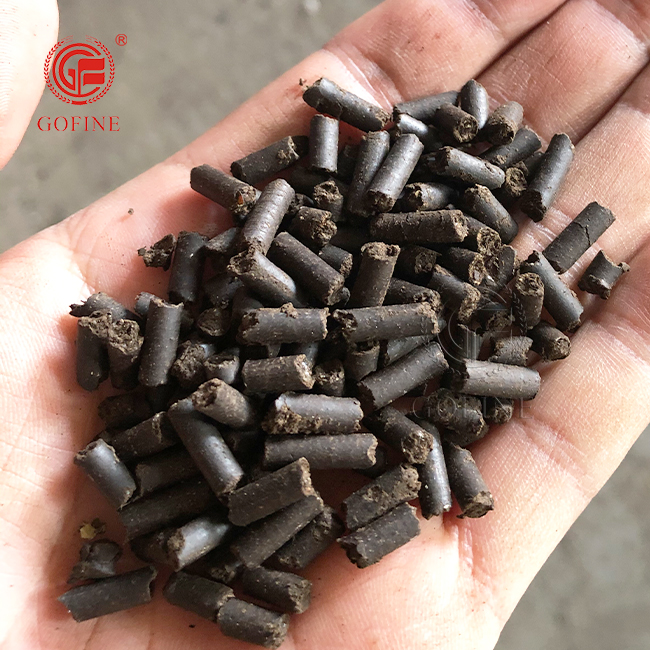
The granular format represents dry, solid pellets. Agronomists evaluate these based on spatial distribution, salt concentration risk, and physical consistency. Granular forms require ambient moisture to activate. Once wet, they offer a highly sustained nutrient drip. They stay exactly where you apply them. This prevents rapid leaching during heavy rainfall.
Organic Source (The Nutrient Profile)
Organic sources derive from unrefined natural materials. Common examples include livestock manure, bone meal, and composted agricultural waste. Experts evaluate them on carbon-adding capabilities and microbial stimulation. They lack the synthetic salts responsible for toxic chemical runoff. They actively rebuild depleted topsoil.
The Decision Matrix
The most biologically and economically sound strategy for base-load fertility is granular fertilizer made from organic sources. This hybrid approach merges the physical stability of dry pellets with the ecological safety of natural organics. It establishes a robust foundation for your crops.
Category Type | Primary Function | Key Characteristics | Operational Impact |
Granular (Format) | Physical Delivery Mechanism | Dry pellets, requires moisture, slow physical breakdown. | Reduces application frequency. Minimizes wind drift. |
Liquid (Format) | Physical Delivery Mechanism | Water-soluble, instant absorption, highly mobile. | Requires frequent spraying. High risk of leaching. |
Organic (Source) | Biological Nutrient Profile | Carbon-rich, unrefined, feeds soil microbes. | Builds long-term soil structure. Prevents toxic runoff. |
Synthetic (Source) | Chemical Nutrient Profile | Refined minerals, salt-based, highly concentrated. | Creates instant growth spikes. Degrades soil ecology. |
Performance Evaluation: Granular Organic vs. Liquid & Synthetic Alternatives
When shortlisting fertility programs, agribusinesses must rigorously evaluate performance. You cannot rely on marketing claims alone. We measure success across four specific academic and operational dimensions.
Spatial Distribution & Consistency
Every pellet of a granular organic product operates as an independent, localized nutrient hub. Liquid solutions remain prone to rapid leaching in sandy soils. Granular forms stay exactly where applied. They require no immediate irrigation to prevent chemical burn. This spatial stability ensures roots find nutrients exactly when needed.
Application Transparency & Quality Control
Liquid applications remain visually untraceable post-spray. They create massive blind spots in contractor accountability. You cannot easily verify employee application rates. Conversely, dry formats leave visible evidence on the soil surface. This transparency ensures accurate coverage. It completely prevents costly under-application or missed zones.
Biological Lag Time vs. Yield Stability
Synthetic liquids provide instant nitrogen spikes. Unfortunately, these spikes actively damage fragile soil microbiomes. Natural pellets require microbial digestion. This creates a two-to-four-week lag dependent on soil temperature. However, this digestion eliminates algae-bloom runoff risks. It establishes a self-sustaining soil ecology. You will require fewer total inputs over a standard three-year transition period.
The Hybrid Deployment Strategy
Smart operations deploy dry organics as their foundational base crop treatment. They reserve liquid biological stimulants strictly for acute stress events. You might use liquid kelp extracts during transplanting or severe droughts. This division of labor maximizes the strengths of both formats.
Best Practices for Deployment
Always apply dry base loads before the active growing season begins.
Allow soil microbes time to break down the carbon structures.
Monitor soil temperatures, as biological digestion halts below 50°F (10°C).
TCO and ROI Drivers of Granular Organic Formats
Switching to or scaling up dry organic applications heavily impacts your bottom line. You must look beyond the initial purchase price per ton. Let us examine the true Total Cost of Ownership (TCO) driving this shift.
Labor and Application Frequency
Labor represents the largest recurring expense in commercial agriculture. A high-quality dry application lasts between four to twelve weeks. Highly compressed pelletized formats can even feed crops for up to nine months. This longevity drastically reduces your labor overhead. You bypass the grueling bi-weekly spraying schedules demanded by liquid programs.
Storage and Degradation Risks
Liquid biologicals containing live microbes remain highly volatile. They degrade rapidly under direct UV exposure. Extreme temperature shifts easily destroy their efficacy. Dry pellets offer vastly superior stability. They do not salt-out or crystalize during freezing winter months. This impressive shelf life dramatically lowers your inventory spoilage risks.
Waste Reduction
Natural granulars rely entirely on biological breakdown. They do not dissolve instantly like high-solubility chemical salts. Because of this, they resist heavy rain washout. You ensure 100% of your purchased nutrient profile eventually reaches the crop. You stop paying for runoff.
Common Mistakes to Avoid
Do not store dry pellets directly on damp concrete floors. Even stable pellets absorb ambient moisture over time. Always utilize wooden pallets. Keep bulk bags sealed until the day of application.
Scaling Operations: The ROI of a Fertilizer Granulator Machine
Purchasing packaged organic products yields diminishing returns for large commercial farms or municipalities. The strategic pivot requires manufacturing your fertility products in-house. Taking control of production secures your supply chain.
From Liability to Asset
Raw organic waste acts as a massive operational liability. Livestock manure and agricultural byproducts are incredibly heavy. They emit harsh odors. They cost a fortune to transport off-site. Processing this raw material changes the financial equation. You solve massive disposal issues by creating a dry, uniform product. You instantly generate a highly marketable agricultural commodity.
Evaluating Equipment Specifications
Procuring the right Fertilizer Granulator Machine requires technical diligence. You must assess several mechanical capabilities before writing a check.
Moisture Tolerance: Raw manure holds unpredictable moisture levels. Your equipment must handle varying moisture content efficiently before materials enter the drying phase.
Throughput Capacity: Manufacturers measure output in Tons-Per-Hour (TPH). You must align these TPH metrics precisely against your daily waste generation rate.
Pellet Uniformity: Consistent sizing matters. The machine must produce highly durable pellets. They cannot crush into useless dust during bulk transport. They must flow cleanly through commercial broadcast spreaders.
Implementation Realities
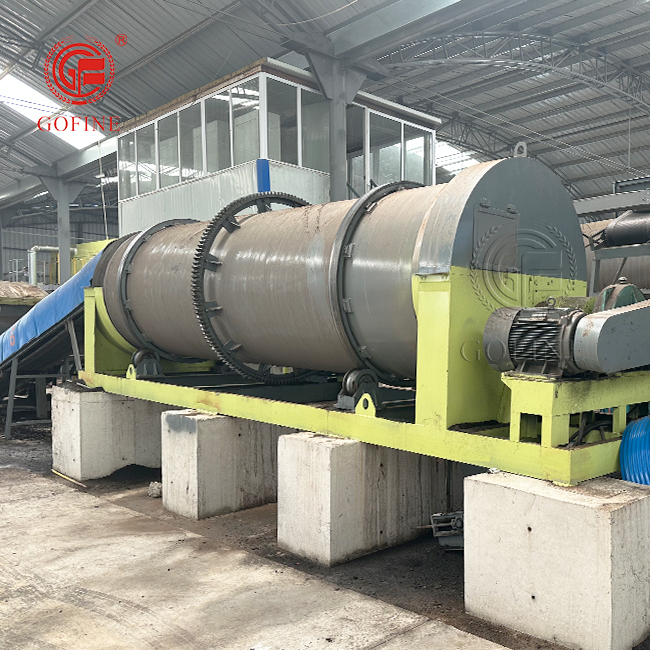
Successful rollouts require serious facility planning. You must assess available space for raw material curing and composting. You need to map out the physical footprint of the entire granulation line. This includes industrial crushers, dynamic mixers, robust granulators, rotary dryers, and vibrating screeners. Finally, you must implement stringent operator safety protocols to manage airborne particulates.
Shortlisting Your Organic Waste Fertilizer Maker Supplier
Selecting the right equipment manufacturer dictates the long-term viability of your production line. Many companies sell isolated pieces of machinery. Avoid suppliers who only push standalone units without offering deep integration support. You need a holistic engineering partner.
Systems Integration Expertise
The ideal Organic Waste Fertilizer Maker Supplier understands continuous flow. They must design a full end-to-end processing line. This spans from the initial mechanical compost turner down to the final automated bagging machine. Mismatched equipment creates disastrous production bottlenecks.
Rigorous Material Testing
Never buy heavy machinery blindly. A credible Organic Fertilizer Pellet Machine manufacturer will actively request raw samples from your facility. They will run your specific agricultural waste through their test granulators. This empirical testing proves the final density and biological viability of your pellets before you finalize the purchase.
Compliance and Long-Term Maintenance
Industrial machinery experiences intense friction and wear. Evaluate the rapid availability of critical replacement parts. You will frequently need new granulator teeth, bearings, and heavy die rings. Furthermore, ensure the proposed machinery meets all local environmental compliance standards. Your new line must feature integrated dust collection and active odor mitigation systems to avoid municipal fines.
When you vet a potential fertilizer equipment supplier, demand references from similar agricultural operations. Ask those references about post-installation troubleshooting and warranty responsiveness.
Conclusion
Treating granular and organic fertilizers as a strict "either/or" choice severely limits your agronomic potential. They represent two different categories entirely. Granular organic fertilizers represent the absolute pinnacle of long-term soil health management. They offer unparalleled application transparency, remarkable slow-release efficiency, and an incredibly low TCO.
For operations achieving significant scale, constantly buying bagged products drains capital. The ultimate competitive advantage lies in controlling your own production. You must pivot from consuming to manufacturing. Partner with a reliable, proven equipment supplier today. Transform your costly waste liabilities into customized, commercial-grade granular organic pellets.
FAQ
Q: Does granular fertilizer work as fast as liquid fertilizer?
A: No. Granular organics rely heavily on soil microbes to digest and release the locked nutrients. This biological process typically takes 2 to 4 weeks depending on the ambient soil temperature. Liquids absorb into plant tissue almost instantly but offer a extremely short efficacy window.
Q: Can you mix organic granular fertilizers with synthetic liquids?
A: While physically possible, applying high-salt synthetic liquids damages the exact soil microbiomes organic granular fertilizers rely upon to break down. A far better hybrid approach involves combining your dry organics with liquid organic bio-stimulants, like kelp.
Q: What is the minimum scale required to justify buying an organic fertilizer pellet machine?
A: ROI depends entirely on your current waste disposal costs and annual fertilizer expenditures. Generally, commercial farms, high-volume livestock operations, or dedicated compost facilities processing over 1-2 tons of organic waste per hour find these equipment investments highly profitable within 18 to 24 months.
Q: Do granular organic fertilizers expire?
A: Unlike liquid counterparts that rapidly lose microbial viability in a matter of days if improperly stored, dry organic formats offer excellent shelf life. They remain highly stable for years if kept tightly sealed in a cool, dry environment completely away from ambient moisture.


