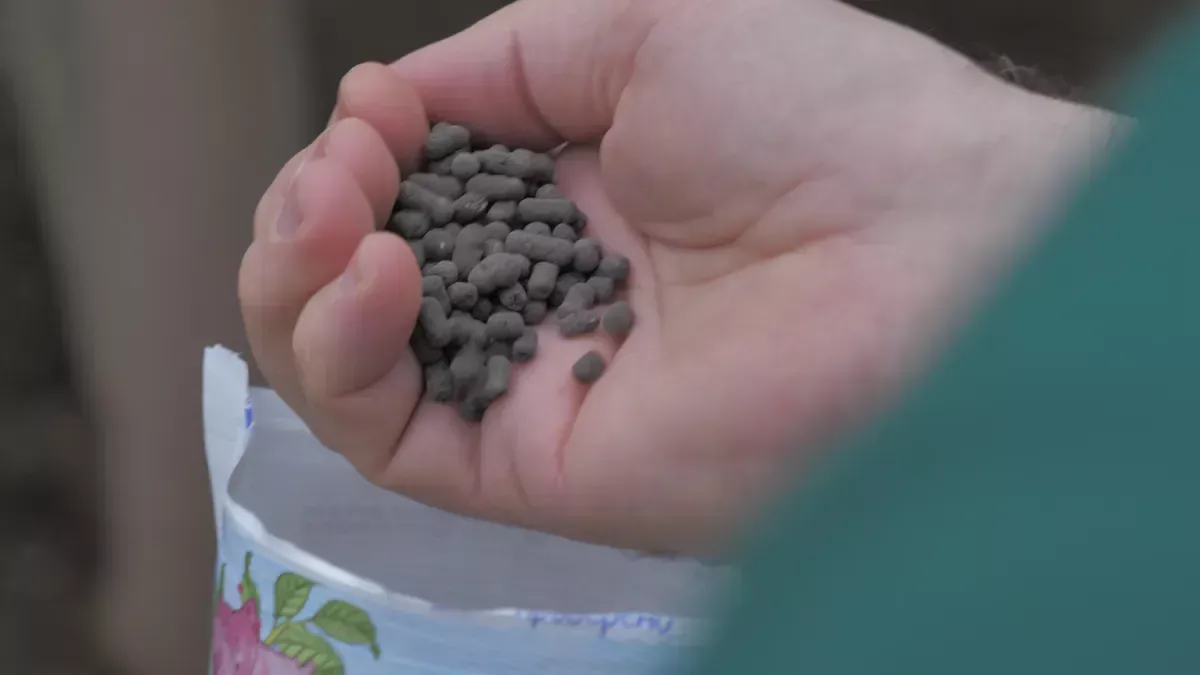
Ammonium phosphate compounds, specifically monoammonium phosphate (MAP) and diammonium phosphate (DAP), serve as the critical backbone for high-yield agriculture worldwide. They deliver essential nitrogen and phosphorus directly to plant roots. However, processing these raw materials presents significant operational challenges for modern fertilizer production facilities. You must constantly balance delicate granule integrity and precise moisture control against escalating production costs. Strict environmental compliance further complicates this daily operation. Poorly managed moisture levels quickly lead to caking, equipment blockages, and wasted energy.
This article delivers an evidence-based framework for optimizing your production line. We will compare traditional wet processes against dry extrusion methods. Plant managers and investors will learn exactly how to choose the right technology. You will discover practical methods to evaluate equipment suppliers and boost long-term manufacturing efficiency without sacrificing product quality.
Key Takeaways
Ammonium phosphate’s hygroscopic nature requires precise granulation techniques to ensure consistent, non-caking compound fertilizer granules.
Dry extrusion methods are increasingly replacing traditional wet ammoniation due to lower energy consumption and reduced compliance risks.
Selecting a double roller granulator minimizes CapEx by eliminating the need for extensive drying and cooling equipment.
Partnering with an experienced Npk Fertilizer Process Equipment Supplier ensures accurate machine sizing and specialized anti-corrosive metallurgy.
The Engineering Challenges of Ammonium Phosphate Granulation
Optimizing ammonium phosphate granulation requires a deep understanding of its physical and chemical properties. Ammonium phosphate is notoriously difficult to process due to three primary factors: high solubility, extreme heat sensitivity, and a strong tendency to absorb moisture from the surrounding air. When raw phosphate materials absorb ambient humidity, they become sticky. This hygroscopic nature frustrates operators. It causes powder to cling to mixing shafts, elevator buckets, and conveyor belts.
To run a profitable facility, you must establish strict success criteria for your final product. A high-quality yield depends on meeting specific physical benchmarks before the product ever reaches a storage warehouse. Plant operators evaluate granule success based on the following metrics:
Optimal Crush Strength: Granules must withstand at least 15 to 20 Newtons of force to survive transport and bulk blending without shattering into dust.
Uniform Size Distribution: A consistent diameter ranging between 2mm and 4mm ensures even nutrient spread across agricultural fields.
Ultra-Low Moisture Content: Final moisture levels must remain below 1.5% to prevent severe caking during extended storage in humid climates.
Failing to meet these benchmarks severely impacts the entire production line. Poor granulation directly causes downstream bottlenecks. Weak granules shatter during the cooling or screening phases, which forces the system to recycle massive amounts of material. High recycle rates act as an operational anchor. They inflate your energy expenditure and rapidly wear down your machinery. Note: Formulations heavily reliant on MAP/DAP often experience a 15-20% drop in throughput if the granulation moisture balance is improperly calibrated.
Wet Ammoniation vs. Dry Granulation: Analyzing the Trade-offs
The fertilizer industry relies on two primary methodologies for processing phosphate derivatives. Each approach carries distinct engineering trade-offs.
Traditional Wet/Ammoniation Granulation
The wet ammoniation process relies on a direct chemical reaction. Operators pipe liquid ammonia and phosphoric acid into a rotary drum or pugmill. The resulting chemical heat and added moisture bind the raw materials into spherical shapes. While this method produces highly spherical particles, the drawbacks are substantial.
First, the process demands massive energy consumption. You must pass the wet material through an enormous rotary dryer to remove the excess moisture, burning significant amounts of natural gas or coal. Second, the chemical reaction generates heavy exhaust gases. You must install and maintain expensive, EPA-compliant wet scrubbers to capture ammonia emissions. Finally, the required drum dryers, coolers, and scrubbing towers demand a very large facility footprint.
Dry Compaction Granulation
Modern facilities increasingly pivot toward dry compaction. This physical extrusion process relies entirely on extreme mechanical pressure rather than moisture and chemical heat. Twin rollers squeeze dry powder together, forcing the particles to interlock into a dense sheet.
The advantages of this method are immediate. You consume zero fossil fuels for drying because you never add water to the mix. The process produces zero wastewater and negligible gas emissions, effectively eliminating the need for complex scrubbing towers. Most importantly, it allows for the immediate production of robust compound fertilizer granules ready for immediate screening and bagging.
Process Selection Logic
To decide between these technologies, you must evaluate your current infrastructure. We recommend using the following comparative matrix to guide your process selection logic.
| Selection Criteria | Wet Ammoniation | Dry Compaction |
| Energy Dependency | High (requires natural gas/coal for drying) | Low (requires only electricity for motors) |
| Environmental Compliance | Strict (requires expensive gas scrubbers) | Minimal (requires basic dust collectors) |
| Facility Footprint | Large (dryers, coolers, scrubbers needed) | Compact (granulator and screener only) |
| Heat Sensitivity | High risk of nutrient degradation | Zero risk (operates at room temperature) |
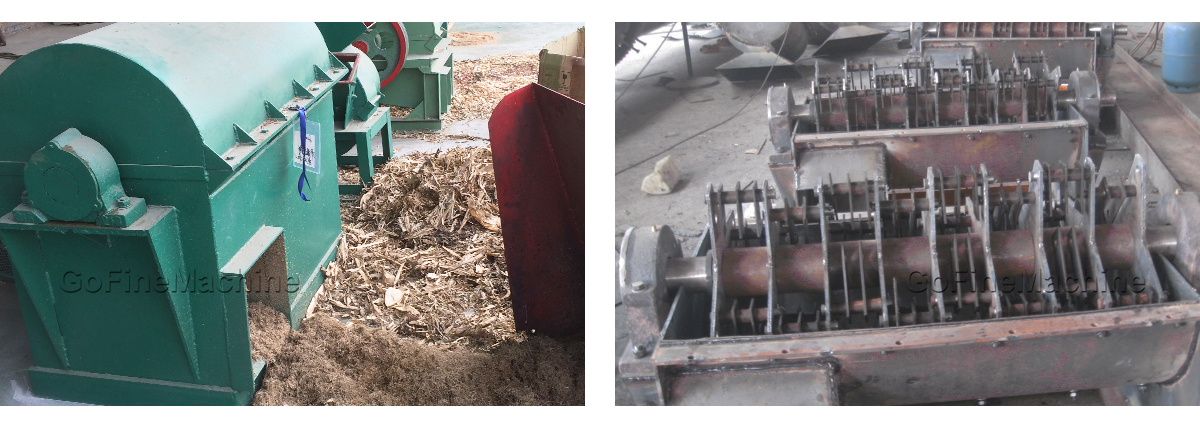
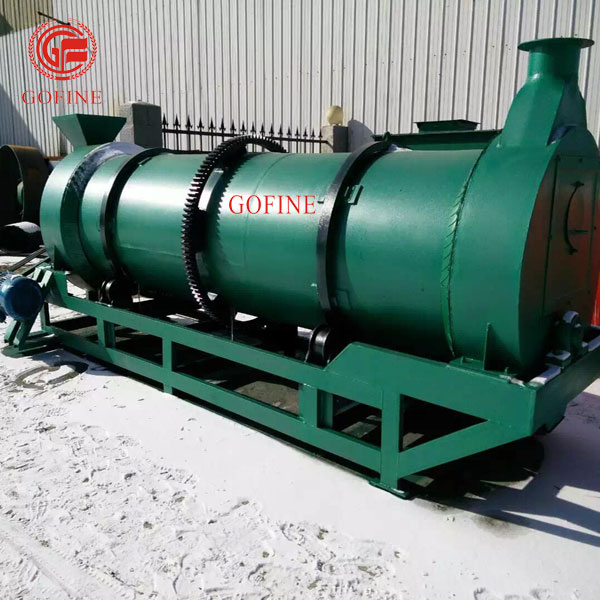
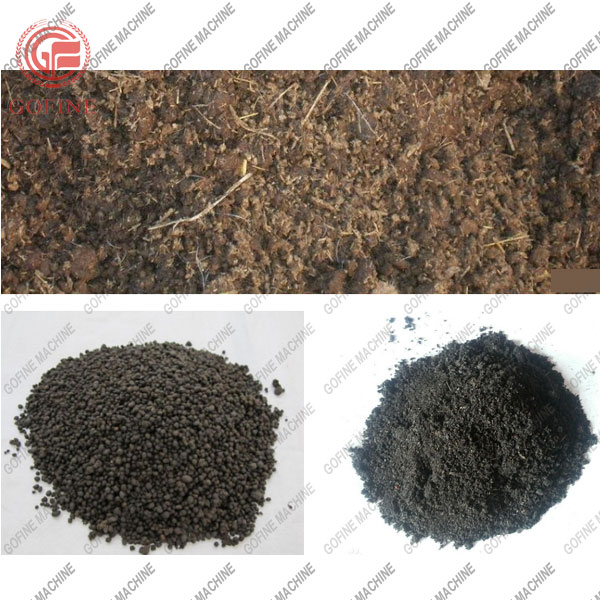
Evaluating the Double Roller Granulator for Phosphate Formulations
When selecting the dry compaction route, understanding the mechanical realities of your machinery is vital. The core of this process relies on specialized extrusion equipment.
How it Works
The mechanical action of a double roller granulator is straightforward but powerful. Dry ammonium phosphate powder feeds into a vertical hopper. Two counter-rotating alloy rollers grab the powder and pull it through a narrow gap. The machine applies intense hydraulic pressure, forcing the loose powder into a high-density continuous flake. This solid flake drops into a crushing chamber below. Rotary blades break the flake into smaller pieces, which subsequently pass through a vibrating screen to isolate perfectly sized granules from the dust.
Key Operational Advantages
This equipment provides continuous operation at room temperature. Heat-sensitive phosphate compounds remain completely stable. You avoid the nitrogen loss frequently seen in high-temperature rotary dryers. Additionally, the compact vertical layout integrates easily into existing NPK upgrading projects. You can install a roller press directly above a screener to utilize gravity feed, saving valuable floor space.
Implementation Risks
Despite the benefits, you must manage specific implementation risks. Roller wear and tear represents the largest operational challenge. Phosphate rock derivatives are highly abrasive. Standard carbon steel rollers will degrade rapidly under continuous pressure, leading to poor flake formation and high dust generation. You must select specific metallurgy to withstand this friction.
Tip: When processing high-concentration ammonium phosphate, specify forged steel or specialized alloy rollers to extend the equipment lifecycle and reduce maintenance downtime.

A continuous dry granulation setup handling abrasive phosphate formulations at room temperature.
What to Look for in an Npk Fertilizer Process Equipment Supplier
Machinery specifications look great on paper, but the actual manufacturer determines your long-term success. You must vet potential partners rigorously.
Manufacturing Capabilities
Assess the supplier's ability to customize roller profiles. Standard flat rollers produce irregular crushed granules. However, top-tier manufacturers can machine specific indentations—such as pillow, semi-circle, or almond shapes—into the roller surface. This customization depends heavily on your specific fertilizer formulation and desired end-product appearance.
Metallurgical Expertise
A reliable Chemical Fertilizer Machine Manufacturer must provide transparent data regarding their contact parts. Demand documentation on the Rockwell Hardness (HRC) of their rollers. They should clearly explain their heat treatment processes and anti-corrosive alloy selections. If a supplier cannot detail the exact chromium or molybdenum content of their steel, look elsewhere.
System Integration
Evaluate whether the supplier acts as a mere parts vendor or a true systems integrator. A qualified Npk Fertilizer Process Equipment Supplier offers complete production lines. They should provide the granulator alongside perfectly matched chain crushers, rotary screeners, bucket elevators, and automated dosing scales. Seamless material flow prevents bottlenecks between separate machine centers.
After-Sales and Commissioning
Look for documented experience in onsite calibration. Hydraulic systems require precise tuning based on ambient humidity and specific raw material blends. A good supplier sends engineers to your facility to calibrate the pressure sensors. Furthermore, they provide extensive operator training to mitigate early adoption risks and prevent accidental equipment damage.
Cost Breakdown and Navigating Double Roller Granulator Machine Quotes
Financial planning for granulation upgrades requires looking beyond the initial sticker price. You must balance upfront capital expenditure against projected operational savings.
CapEx vs. OpEx Analysis
Compare the initial investment of a fertilizer granulator machine against long-term operational savings. The capital expense for high-pressure hydraulic rollers is substantial. However, the operating expenses drop dramatically. By eliminating fossil fuels for drying, you insulate your facility from volatile natural gas markets. Electricity to run the roller motors costs a fraction of the fuel required for traditional wet process drum dryers.
Variables Impacting the Quote
Several primary factors influence the pricing structure of your equipment:
Production Capacity: Machines are rated in tons per hour. A 2-ton-per-hour unit costs significantly less than a 10-ton-per-hour heavy-duty press.
Automation Level: Basic units use manual screw adjustments for roller spacing. Premium units utilize automated hydraulic pressure control. The hydraulic systems adjust automatically to material density variations, preventing jams.
Raw Material Metallurgy: Standard carbon steel keeps the initial quote low. High-grade anti-corrosive alloys increase the price but prevent catastrophic early wear.
Shortlisting Logic
We strongly advise against choosing a supplier based solely on the lowest initial price. Cheap machinery often relies on inferior bearings and soft metals. Instead, request lifecycle cost projections. Ask suppliers to provide wear-part replacement schedules. A machine costing 20% more upfront often saves you 50% in maintenance downtime over three years.
Note: When requesting Double Roller Granulator Machine Quotes, always provide the manufacturer with your exact NPK formulation percentages and raw material moisture content to ensure accurate machine sizing.
Conclusion
Optimizing ammonium phosphate granulation fundamentally revolves around reducing energy dependencies while maintaining uncompromising granule strength. Traditional wet methods consume massive amounts of fuel and trigger complex environmental compliance issues. By shifting your approach, you can bypass these hurdles entirely.
Dry extrusion via double roller technology offers the most viable return on investment for modernizing compound fertilizer plants. It protects heat-sensitive nutrients, drastically cuts facility footprint, and eliminates drying costs. However, achieving these benefits requires careful machinery selection and strict metallurgical standards.
We urge you to audit your current process energy costs today. Calculate your monthly spend on natural gas and maintenance for your wet process dryers. Next, consult a vetted equipment manufacturer for a facility-specific sizing analysis. Armed with exact formulation data, you can confidently transition to a dry compaction system and secure your plant's operational future.
FAQ
Q: What is the ideal moisture content for ammonium phosphate before entering a double roller granulator?
A: Keep it below 5% to prevent sticking and ensure proper extrusion pressure.
Q: How often do the rollers need to be replaced when processing abrasive compound fertilizers?
A: Depends on the alloy and operational hours; typically, high-grade rollers last 8–12 months under continuous operation.
Q: Does dry granulation affect the nutrient release rate of the final fertilizer?
A: No, physical compaction alters the shape and density but preserves the chemical availability of the phosphate.


