You want a fertilizer process that uses less energy and is easy. Many NPK producers like the roller granulator. It makes production easier and lowers costs. Wet granulation is good if you need special granules or unique formulas. When you compare these machines, look at how fast they work, the quality of granules, cost, how easy they are to use, and your plant’s setup.
Key Takeaways
Pick a roller granulator if you want a simple process. It uses less energy and saves money and space.
Use wet granulation if you need strong, round pellets. It is good for special formulas that need a binder.
Dry granulation makes less waste and uses less energy. This is better for the environment when making fertilizer.
Think about your plant size and what you want to make. This helps you choose between roller granulators and wet granulation machines.
Dry granulation gives granules that are all the same size. This makes fertilizer work better and keeps customers happy.
Roller Granulator Vs Wet Process
Dry Granulation Process
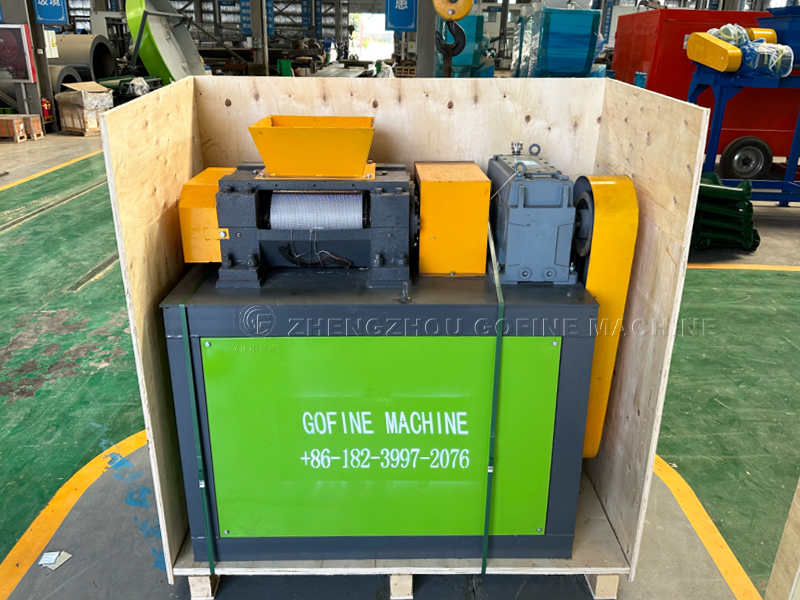
A roller granulator makes NPK fertilizer without water. This is called dry granulation. You put dry materials into the machine. The rollers press the powder into granules. You do not need to dry them. This saves energy and time. You can use materials with 2% to 5% moisture. Low moisture stops caking problems. The process is clean and simple. You do not need extra machines for drying or cooling. Many producers like this way. It keeps the production line short and easy.
Tip: Dry granulation is good if you want to save energy and keep your plant small.
Wet Granulation Process
Wet granulation uses water or a liquid binder to make granules. You mix the raw materials with the liquid. The mix gets sticky. A special machine shapes the wet mix into granules. Then you must dry the granules. This step takes out extra water. You may also need to cool the granules before packing. Wet granulation makes strong and round pellets. You can use this way for formulas that need a binder or have special needs. The process has more steps and uses more energy because of drying.
Key Process Differences
There are big differences between dry and wet granulation. Dry granulation with a roller granulator does not use water. Wet granulation always needs water or a binder. Dry granulation skips the drying step. Wet granulation must dry the product. Dry granulation works best with low moisture materials. Wet granulation can handle sticky or hard-to-granulate materials. Dry granulation helps stop caking and keeps things simple. Wet granulation lets you control pellet shape and strength.
Feature | Dry Granulation (Roller Granulator) | Wet Granulation |
Water Needed | No | Yes |
Drying Step | No | Yes |
Energy Use | Low | High |
Moisture in Raw Mix | 2% - 5% | Higher |
Caking Risk | Low | Higher |
Process Complexity | Simple | More Complex |
You should pick the process that fits your plant and your product goals.
Best Method for NPK
When Roller Granulator Fits Best
You should choose a roller granulator if you want a simple and clean process. This method works well when your raw materials have low moisture. You do not need to add water or use a dryer. You can save energy and reduce your costs. Many small and medium NPK plants use this method because it fits compact spaces. You can also use it if you want to avoid caking problems. The granules come out strong and uniform. You can reach a high granulation rate and get the size you need for your market.
Tip: If you want a fast setup and easy operation, this method is a smart choice.
When Wet Granulation Fits Best
You should pick wet granulation if your formula needs a binder or if your materials do not stick together easily. This process helps when you want round and very strong pellets. Wet granulation lets you control the shape and surface of each granule. You may need this method for special NPK blends or when your customers want a certain look. Large factories often use wet granulation because they can handle the extra steps and higher energy use. You should also use this method if your raw materials are dusty or hard to press.
Note: Wet granulation is good for custom products and special market needs.
Match the Method
You need to match your method to your goals. Ask yourself these questions:
Do you want to save energy and keep your line simple?
Do your raw materials have low moisture?
Do you need to avoid caking and waste?
Is your plant small or medium-sized?
If you answer yes, the roller granulator is likely your best fit.
If you need special shapes, use sticky materials, or want very strong pellets, wet granulation may work better. You should also think about your budget, your space, and your product quality goals. The right choice will help you make high-quality NPK fertilizer and keep your plant running smoothly.
Production Efficiency
Line Layout
You want your fertilizer plant to run smoothly. The way you set up your production line matters a lot. Dry granulation lines stay short and simple. You can fit the machines into a small space. You do not need extra equipment for drying or cooling. This makes your plant easier to manage. Wet granulation lines need more machines. You must add mixers, dryers, and coolers. These extra steps make your line longer and more complex. If you have limited space, dry granulation gives you a clear advantage.
Tip: A compact line saves you time and money during installation.
Output Stability
You need steady output to meet your orders. Dry granulation gives you reliable results. The process does not change much from batch to batch. You can keep your granule size and quality the same every day. Wet granulation can give you strong pellets, but the results may change if you add too much or too little water. You must watch the process closely. If you want less risk of mistakes, dry granulation helps you keep control.
Here is a quick comparison:
Feature | Dry Granulation | Wet Granulation |
Output Stability | High | Medium |
Process Control | Simple | Needs Attention |
Energy Demand
You want to lower your energy bills. Dry granulation uses less energy because you skip the drying step. You do not need to heat up dryers or run coolers. This saves you money every month. Wet granulation needs more power. You must dry the wet granules and sometimes cool them. If you want to cut costs and help the environment, dry granulation is the smart choice.
Note: Lower energy use means your plant is more eco-friendly and cost-effective.
Granule Quality
Size Control
You want your NPK fertilizer granules to be the right size. Size is important because buyers want pellets that look the same. Double roller extrusion technology helps you make this happen. You can make granules from 2.5 mm up to 30 mm. This means you can meet different customer needs. You can change the machine settings to get the size you need. When all granules are the same size, your product looks better and spreads easily in the field.
Tip: Having granules all the same size helps farmers use fertilizer better and waste less.
Pellet Strength
Pellets need to be strong so they do not break. You want them to stay whole until they reach the farmer. Double roller extrusion makes granules that are dense and solid. These pellets do not break in bags or during shipping. You do not have to worry about dust or broken pieces. Strong pellets mean you lose less product and your customers get better results.
Product Uniformity
Uniformity means every batch looks and works the same. You want your NPK fertilizer to have a high granulation rate. Double roller extrusion can make more than 95% of your material into granules. This means you waste less and get more good product. Uniform pellets help you build trust with buyers. They know your product will work the same every time.
Feature | Double Roller Extrusion | Wet Granulation |
Granulation Rate | Above 95% | Lower |
Size Range | 2.5–30 mm | Variable |
Uniformity | High | Medium |
You can meet tough market rules with steady quality. Your fertilizer stands out because it always works well.
Cost Comparison
Equipment Cost
You want to know how much each machine costs before you buy. Dry granulation machines often cost less than wet granulation systems. You do not need to buy dryers, coolers, or extra mixers. This means you spend less money at the start. Wet granulation lines need more machines. These extra machines raise your first investment. If you want a simple setup, you can save money with dry granulation.
Tip: Fewer machines mean lower installation costs and less space needed.
Operating Cost
You pay for more than just the machine. You also pay for power, water, and labor. Dry granulation uses less energy because you skip the drying step. You do not need to heat dryers or run coolers. This helps you save on your monthly bills. Wet granulation needs more power and water. You must dry the wet granules and sometimes cool them. This adds to your costs every day.
Cost Type | Dry Granulation | Wet Granulation |
Energy | Low | High |
Water | Very Low | High |
Labor | Low | Medium |
Maintenance Cost
You want your machines to last a long time. Dry granulation machines have fewer moving parts. This means you spend less time and money on repairs. You can keep your line running with less downtime. Wet granulation lines have more machines and more parts to check. More parts mean more chances for something to break. You may need to stop your line more often for repairs.
Note: Simple machines are easier to clean and fix. This helps you avoid long stops in production.
Operation and Control
Process Complexity
You want a process that is easy to run. Dry granulation keeps things simple for you. You set up the machine and add your materials. You watch as granules form. You do not need to check water or drying temperatures. Wet granulation has more steps to follow. You must mix, add water, shape, dry, and cool the granules. Each step needs careful control. If you miss a step, pellets may turn out bad. Dry granulation helps you avoid mistakes and keeps things smooth.
Tip: Simple processes help stop errors and make training easier.
Labor Needs
You need workers to run your fertilizer plant. Dry granulation lines need fewer people. One person can often run the machine and check the output. Wet granulation lines need more staff. You need workers to mix, dry, and cool materials. More steps mean more chances for mistakes. You spend more time training your team. Dry granulation helps you save money on labor and keeps your team focused.
Labor Task | Dry Granulation | Wet Granulation |
Machine Operation | 1-2 workers | 3-5 workers |
Process Monitoring | Simple | Complex |
Training Needed | Low | High |
Material Handling
You must move materials through your plant. Dry granulation lets you handle powders and granules easily. You do not deal with sticky or wet mixes. The process stays clean. Wet granulation makes sticky materials that can clog machines. You need special tools to move and clean up. Dry granulation keeps your plant tidy and cuts down waste. You spend less time cleaning and more time making fertilizer.
Clean material handling means less downtime and better productivity.
If you want a process that is easy to control, needs less labor, and keeps your plant clean, dry granulation gives you clear advantages.
Environmental Impact
Dust and Moisture
You want your fertilizer plant to be safe and clean. Dry granulation helps you stop dust and moisture problems. This process uses dry materials, so you do not get wet waste or sticky spills. Your workspace stays neat. Machines with closed systems keep dust inside. You do not have to worry about dust getting out. This keeps workers safe and helps you follow air quality rules.
Tip: Closed dry granulation lines stop dust from spreading and help keep your plant clean.
Waste Control
You care about waste because it costs money and hurts the environment. Dry granulation lets you run with almost no waste. You do not make wastewater because you skip drying and wet mixing. All the material turns into granules, so you waste less. You can meet tough environmental rules. Wet granulation makes more waste. You must deal with water runoff and extra leftover material. Dry granulation makes it easier to handle waste and protect nature.
Process | Wastewater | Solid Waste | Compliance |
Dry Granulation | None | Low | Easy |
Wet Granulation | High | Medium | Hard |
Utility Demand
You want to use less water and energy in your plant. Dry granulation needs very little water. You do not have to run dryers or coolers. This saves you money on bills. You help the planet by using less energy. Wet granulation uses more water and power. You must dry and cool the granules. If you want a process that is better for the earth, dry granulation is the best choice.
Using less water and energy makes your plant greener and easier to run.
You can see that dry granulation, like with a roller granulator, helps you cut waste, save energy, and meet green rules. This makes your fertilizer plant safer, cleaner, and better for the environment.
Choosing by Plant Needs
Small and Mid Plants
You need a machine that fits your space and budget. Industrial double roller systems work well in small and mid-sized plants. These machines can handle 1 to 4.5 tons per hour. You can put them in compact production lines. This saves floor space and cuts setup time. The compact layout lets you add the machine to your plant. You do not have to change your whole line. Durability is important. Strong pressure rollers and a sturdy frame help the machine last longer. You spend less money on repairs and replacements.
Tip: Pick equipment that fits your plant size and keeps things simple.
Large NPK Lines
You run a large NPK fertilizer plant. You need machines that can handle high demand. Double roller systems give steady output and reliable performance. You can make more fertilizer by adding more units or bigger models. Flexible installation helps you grow your line without big changes. You want equipment that handles heavy loads and works every day. Durable materials and strong build support nonstop operation.
Factor | Small/Mid Plants | Large NPK Lines |
Capacity | 1–4.5 t/h | Higher, scalable |
Layout | Compact | Flexible |
Durability | High | Very High |
Installation | Easy | Adaptable |
Custom Formulas
You want to make special NPK blends. You need a machine that can work with different materials. Double roller systems let you change settings for many formulas. You can adjust pressure and particle size. Flexible machines help you meet market needs. You can switch between products without long downtime. Strong design lets you change often and keeps quality high.
Flexible equipment lets you respond fast to customer requests.
You should find machines that match your plant size, production goals, and formula needs. Compact layout, durability, and easy installation help your plant run smoothly.
You should pick the right NPK fertilizer process for your plant. If you want to use less energy and keep things easy, the roller granulator is a good choice. Wet granulation is better if you need special formulas or different pellet shapes. You need to think about how much you want to make, how wet your materials are, your plant’s setup, your money, and the quality you want. Choose the method that fits your business and helps you do well.
FAQ
What is the main benefit of using a roller granulator for NPK fertilizer?
You save energy and money. The process stays simple. You do not need water or dryers. You get strong, uniform granules with less waste.
Can you use a roller granulator for all NPK formulas?
You can use it for most standard NPK formulas. If your formula needs a binder or has sticky materials, you may need wet granulation.
How do you control granule size with a roller granulator?
You adjust the roller gap and pressure. This lets you make granules from 2.5 mm up to 30 mm. You can match market needs easily.
Is dry granulation better for the environment?
Yes! Dry granulation uses less water and energy. You do not create wastewater. Your plant stays cleaner and meets green standards.
What plant size works best with a roller granulator?
Small and mid-sized plants benefit most. You can fit the machine into compact spaces. Large plants can also use it by scaling up or adding more units.