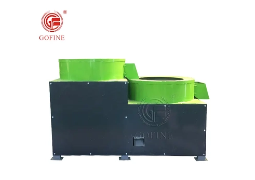
Fertilizer plays a crucial role in modern agriculture by supplying essential nutrients to plants, improving soil fertility, and ensuring high crop yields. Among various types of fertilizers, NPK compound fertilizers are among the most commonly used. These fertilizers are a blend of three essential nutrients: Nitrogen (N), Phosphorus (P), and Potassium (K), which are vital for plant growth and development. NPK fertilizers are essential for boosting plant health, improving disease resistance, and enhancing crop quality.
The production of NPK compound fertilizers involves a series of steps, from raw material processing to blending and granulation, all facilitated by specialized machinery. In this article, we will explore how to produce NPK compound fertilizers using machines, outlining the processes involved, the types of machines required, and the best practices for ensuring high-quality fertilizer production.
What is NPK Compound Fertilizer?
NPK compound fertilizer is a fertilizer that contains a specific combination of the three primary nutrients required for plant growth:
Nitrogen (N): Nitrogen promotes healthy leaf and stem growth, contributing to the green color of plants and the production of proteins.
Phosphorus (P): Phosphorus helps in root development, flowering, and fruit production. It is essential for energy transfer and photosynthesis in plants.
Potassium (K): Potassium aids in the development of strong roots and stems, enhances plant disease resistance, and improves overall plant health.
NPK fertilizers are often customized to suit specific crops, soil conditions, and environmental factors. The ratio of these three nutrients is usually represented in the form of a number such as 10-10-10, 20-10-10, or 15-15-15, where each number refers to the percentage of nitrogen, phosphorus, and potassium in the mix, respectively.
The Process of Producing NPK Compound Fertilizer
The production of NPK compound fertilizers involves several key steps, which are facilitated by various machines designed for specific purposes. Let’s walk through the entire process, from raw material procurement to final granulation and packaging.
1. Raw Material Selection and Preparation
The production of NPK compound fertilizers begins with the selection of raw materials. The basic raw materials include:
Nitrogen sources: Urea, ammonium nitrate, ammonium sulfate, or calcium nitrate.
Phosphorus sources: Phosphate rock, superphosphate, or ammonium phosphate.
Potassium sources: Potassium chloride (KCl), potassium sulfate (K2SO4), or potassium nitrate (KNO3).
These raw materials must be processed and refined before they can be mixed into the final NPK product. Proper storage and handling are critical to avoid contamination or degradation of the materials.
2. Mixing and Pre-Blending
After the raw materials are prepared, the next step is to mix them in the correct proportions. This stage is essential to ensure that the NPK compound fertilizer has the desired nutrient composition.
Machines Used:
Batch Mixer: A batch mixer is used to blend the raw materials in specific proportions. It ensures that the nutrients are evenly distributed across the mixture. Depending on the type of raw materials, a horizontal or vertical batch mixer may be used.
Ribbon Blender: This machine is used to thoroughly mix dry fertilizers and additives. The ribbon blender ensures uniform blending of the raw ingredients.
3. Granulation Process
Granulation is a crucial step in the production of NPK fertilizers, as it gives the fertilizer its granulated form. Granulation improves the handling, storage, and application of the fertilizer. There are several methods of granulation, but the most common ones are wet granulation and dry granulation.
Wet Granulation:
In wet granulation, a binder is added to the mixed raw materials, and the mixture is then processed into granules using moisture and heat. This method ensures that the granules are compact and uniform in size.
Dry Granulation:
Dry granulation involves compacting the dry mixture into larger granules without the use of liquid binders. This method is often used for materials that are sensitive to moisture.
Machines Used:
Granulation Drum: A granulation drum, also known as a rotary drum granulator, is used in the wet granulation process. The mixed raw materials are rotated inside the drum while liquid is sprayed onto the mixture to form uniform granules.
Pan Granulator: This machine is used for both dry and wet granulation. The pan granulator uses a rotating disc to form granules, making it ideal for producing NPK fertilizers.
Double Roller Granulator: This machine uses rollers to compress the raw materials into dense granules. It is typically used for dry granulation and is suitable for producing high-density fertilizers.
4. Drying the Granules
After the granules are formed, they need to be dried to reduce moisture content and ensure they are stable for storage and transportation. Excess moisture can cause the granules to clump together or degrade over time.
Machines Used:
Rotary Dryer: A rotary dryer is commonly used to remove excess moisture from granules. The wet granules are fed into a rotating drum, where hot air is blown through to dry them.
Fluidized Bed Dryer: In this drying process, air is forced upwards through the granules to dry them evenly. This is often used for more delicate fertilizers that need gentle drying.
5. Cooling the Granules
After the granules are dried, they need to be cooled to prevent them from becoming too brittle or soft. Cooling also helps stabilize the nutrients within the granules.
Machines Used:
Rotary Cooler: A rotary cooler is used to cool the granules after drying. The cooling process helps to ensure that the granules retain their integrity and are not affected by heat or moisture.
Fluidized Bed Cooler: Similar to the fluidized bed dryer, the cooler uses cool air to remove heat from the granules.
6. Screening and Sorting
Once the granules are dried and cooled, they are screened and sorted based on size. This step is necessary to remove any oversized or undersized particles and ensure that all granules are uniform. The quality of the granules is essential for efficient application and proper nutrient distribution.
Machines Used:
Rotary Screener: A rotary screener is used to separate granules into different sizes. This machine uses a rotating drum with perforated holes to sift the granules.
Vibrating Screen: A vibrating screen helps sort the granules by size. The vibrations help the material pass through the screen while separating fine and coarse particles.
7. Coating the Granules
In some cases, NPK fertilizers may need to be coated with a protective layer to enhance nutrient release, protect the granules from moisture, or improve handling and storage. Coatings can also be used to add additional nutrients or microelements to the fertilizer.
Machines Used:
Coating Drum: This machine is used to coat the granules with a layer of materials like sulfur, organic compounds, or polymer coatings. The granules are tumbled in the drum while the coating material is applied.
Spray Coating System: For finer coatings or specific nutrient additions, a spray coating system may be used. This system applies a fine mist of coating material to the granules as they move through the machine.
8. Packaging the Fertilizer
Once the NPK compound fertilizer is ready and has passed all quality checks, it is packaged for sale and distribution. Proper packaging ensures that the fertilizer remains in good condition during storage and transportation.
Machines Used:
Automatic Packing Machine: These machines automatically fill bags with the desired amount of fertilizer, seal the bags, and label them. They are designed for high efficiency and accuracy.
Bagging and Weighing System: For precise packaging, bagging and weighing systems ensure that each package contains the correct amount of fertilizer.
Best Practices for NPK Fertilizer Production
Quality Control: Regularly test raw materials and final products to ensure that the nutrient levels are consistent with the required specifications. Implement quality control checks at each stage of production to avoid inconsistencies.
Proper Maintenance: Regularly maintain and clean all machinery to ensure smooth operation and prevent breakdowns. Check the granulation machines, mixers, dryers, and screeners for wear and tear, and replace parts as needed.
Material Handling: Use the appropriate equipment for material handling to avoid contamination and maintain the integrity of the raw materials and the final product. This includes using conveyor belts, bucket elevators, and mixing tanks.
Energy Efficiency: Incorporate energy-saving practices, such as optimizing the heating and cooling systems and using energy-efficient machines. This can help reduce production costs and improve the sustainability of the manufacturing process.
Environmental Considerations: Consider using eco-friendly materials and reducing waste during the production process. Implement water recycling systems and utilize renewable energy sources whenever possible to minimize environmental impact.
Conclusion
The production of NPK compound fertilizer involves a complex process that requires specialized machinery for each step, from raw material processing to granulation, drying, and packaging. By understanding the process and using the right equipment, manufacturers can produce high-quality NPK fertilizers that meet the nutritional needs of plants and enhance agricultural productivity.
Troubleshooting and maintaining the machines used in fertilizer production is equally important to ensure smooth operations. Regular maintenance, quality control, and adherence to best practices are essential for keeping production efficient and cost-effective.
By following the outlined steps and using the proper machinery, manufacturers can efficiently produce high-quality NPK fertilizers that are vital for modern agricultural practices.


