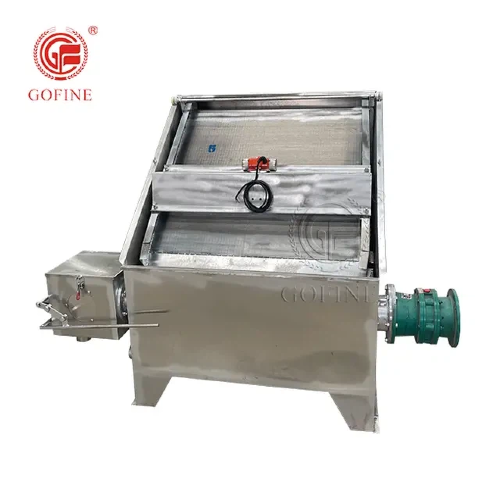
Composting is a natural and environmentally friendly process that has been used for centuries to recycle organic matter into nutrient-rich soil. It is essential for sustainable farming, gardening, and waste management practices. In this article, we will explore the science behind composting, how Compost Fertilizer Machines work, and their role in modern waste management systems. By accelerating the composting process and improving the nutrient quality of compost, these machines are revolutionizing how we manage organic waste.
The Basics of Composting
Composting is the process by which organic materials, such as food waste, plant residues, and animal manure, are broken down into simpler substances by microorganisms, fungi, and other decomposers. This natural decomposition process helps recycle organic matter, reduce waste, and produce valuable compost that can be used to improve soil health and plant growth.
What is Composting?
Composting is a biological process that involves the breakdown of organic waste by microorganisms and other decomposers. The process typically occurs in three main stages:
Mesophilic Phase: This is the first phase of decomposition where microorganisms begin to break down simple organic compounds at moderate temperatures (20-40°C). In this phase, bacteria decompose proteins, sugars, and fats, generating heat as a byproduct.
Thermophilic Phase: In this phase, the temperature increases to between 55-65°C, which promotes the growth of heat-loving bacteria. These microorganisms continue breaking down more complex organic compounds, such as cellulose and lignin, which are found in plant matter. The thermophilic phase is crucial for killing pathogens and weed seeds in the compost.
Maturation Phase: As decomposition slows down, the temperature of the composting pile decreases. During this phase, fungi and other microorganisms finish breaking down organic material into stable humus, a dark, crumbly, nutrient-rich substance that is the final product of composting.
The Role of Organic Materials
The success of composting heavily depends on the quality and type of organic materials used. Some materials break down more quickly than others, and achieving a balanced mix of carbon-rich "browns" and nitrogen-rich "greens" is essential for a successful compost pile.
Material Type | Examples | Decomposition Time | Nutrient Contribution |
Animal Waste | Chicken manure, cow dung, pig manure, etc. | Medium to long | Rich in nitrogen, phosphorus, and potassium |
Food Scraps | Fruit and vegetable peels, leftover food | Short | High in nitrogen, moisture, and organic matter |
Yard Waste | Grass clippings, leaves, tree branches | Medium to long | High in carbon, low in nitrogen |
Plant Residues | Shredded branches, dead plants | Medium | Rich in carbon, minerals, and trace elements |
Each material type has different decomposition times and contributes varying nutrients to the final compost product. Ensuring a good mix of carbon (from yard waste or straw) and nitrogen (from food scraps or manure) helps maintain the right balance for healthy microbial activity.
The Science Behind Compost Fertilizer Machines
Compost Fertilizer Machines are designed to automate and optimize the composting process. These machines enhance the biological and chemical processes that naturally occur during composting, reducing the time required and increasing the efficiency of organic waste breakdown. By providing ideal conditions such as aeration, moisture control, and temperature regulation, Compost Fertilizer Machines ensure that organic materials break down quickly and produce high-quality compost.
How Compost Fertilizer Machines Accelerate the Composting Process
Traditional composting methods can take several months, and achieving consistent results can be challenging. Compost Fertilizer Machines enhance the composting process by controlling essential factors such as aeration, moisture, temperature, and the uniformity of the compost mixture. The benefits of using compost machines include:
Aeration: Aerobic microorganisms play a crucial role in the decomposition process. Compost Fertilizer Machines introduce oxygen into the composting material, which is vital for the microorganisms responsible for breaking down organic matter. Aeration helps prevent anaerobic conditions, which can lead to foul odors and slower decomposition.
Temperature Control: Temperature regulation is another key feature of composting machines. Many machines are equipped with temperature sensors and automated systems that maintain optimal temperatures (55-65°C) for microbial activity. This promotes faster decomposition and helps eliminate pathogens in the compost material.
Turning Mechanisms: Compost Fertilizer Machines use turning or mixing mechanisms to keep the materials from compacting, ensuring that oxygen reaches all parts of the pile. Regular turning helps to evenly distribute moisture and heat, which are essential for consistent decomposition.
Types of Compost Fertilizer Machines
There are various types of Compost Fertilizer Machines, each designed for different types of composting needs. Here are some common types of machines used in modern composting operations:
Aerated Static Pile Systems: These systems use forced aeration to speed up the composting process. Air is blown through the pile, allowing for faster decomposition without the need for turning. This system is ideal for large-scale composting operations.
Rotary Drum Composters: A rotary drum is a rotating cylinder that mixes and aerates the compost materials. The constant movement ensures that all parts of the pile are exposed to heat and microorganisms. These systems are highly efficient and suitable for large-scale commercial composting.
Windrow Turners: These machines are designed to turn long piles of compost, called windrows. Windrow turners help maintain proper aeration and ensure that composting occurs evenly throughout the pile. They are commonly used in industrial composting operations.
Vermiculture Composters: These machines use worms to break down organic waste into nutrient-rich compost. While slower than mechanical methods, vermiculture is a natural and highly effective way to compost organic matter, particularly in small-scale applications.
Each type of machine is suited to different scales and needs, from small home composting units to large industrial composting systems.
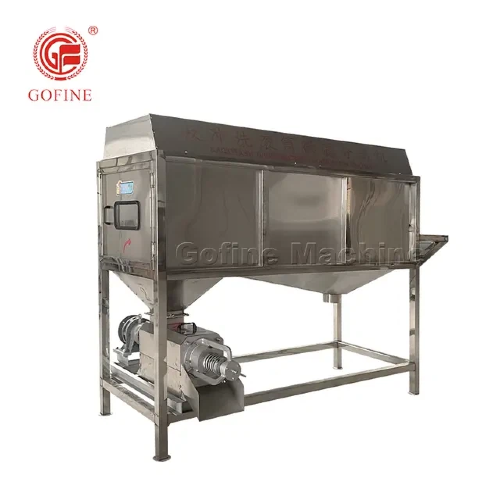
Benefits of Using Compost Fertilizer Machines
There are numerous benefits to using Compost Fertilizer Machines over traditional manual composting methods. These machines increase efficiency, improve compost quality, and have a positive impact on both the environment and the economy.
Faster Composting Process
One of the primary advantages of using Compost Fertilizer Machines is the reduction in composting time. Traditional composting can take anywhere from several months to over a year to produce finished compost. However, with the use of composting machines, the process can be reduced to just a few weeks. This time-saving factor is especially important for businesses and large-scale operations that need quick turnaround times.
Enhanced Nutrient-Rich Fertilizer Production
Compost produced by Compost Fertilizer Machines is generally of higher quality than compost produced through manual methods. Machines ensure that the compost is well-mixed, aerated, and has the optimal temperature for microbial activity. As a result, the final product is more consistent, nutrient-rich, and better for plant growth. The compost produced is often higher in nitrogen, phosphorus, and potassium, which are essential nutrients for plants.
Environmental and Economic Benefits
Using Compost Fertilizer Machines helps reduce waste, minimize greenhouse gas emissions, and promote the recycling of organic materials. By turning waste into valuable compost, businesses and municipalities can reduce landfill waste, cut down on methane emissions, and contribute to a circular economy. Additionally, businesses can save money on waste disposal and buy less synthetic fertilizer.
Economically, Compost Fertilizer Machines provide a significant return on investment by increasing composting efficiency, improving product quality, and reducing labor costs.
Choosing the Right Compost Fertilizer Machine for Your Needs
Selecting the right composting machine is essential to ensure the success of your composting operation. Factors such as scale, type of waste, and budget all play a role in choosing the best machine for your needs.
Factors to Consider
When selecting a Compost Fertilizer Machine, there are several key factors to keep in mind:
Scale of Operation: Are you composting on a small scale for personal use, or do you need a large-scale system for a business or municipality? Machines designed for large-scale operations tend to be more expensive but offer higher throughput.
Type of Waste: Different machines are designed for different types of organic materials. Some machines are best for handling food waste, while others are better suited for animal manure or yard waste. Consider what materials you will be composting when choosing a machine.
Budget: Composting machines vary in price, depending on their size, capacity, and features. While high-end machines can be costly, they may offer better efficiency and a faster return on investment.
Cost vs. Efficiency
While the initial investment in a Compost Fertilizer Machine can be high, it’s important to weigh the long-term benefits. These machines can significantly reduce labor costs, accelerate the composting process, and produce higher-quality compost. The return on investment depends on your scale of operation, the type of waste you are processing, and the efficiency of the machine.
Future of Composting with Technology
The future of composting is bright, with advances in automation, artificial intelligence, and real-time monitoring. These technologies will continue to improve the efficiency and sustainability of composting systems.
Advancements in Automation and AI
AI-based composting systems are already being developed to monitor and optimize key composting factors such as moisture, temperature, and oxygen levels. These intelligent systems can make real-time adjustments to improve compost quality and speed up the process.
Sustainability and Regulatory Trends
As global awareness of environmental issues grows, regulations on waste management and sustainability are becoming stricter. The demand for composting machines will continue to rise as more businesses and municipalities look for efficient, eco-friendly solutions to manage organic waste.
Conclusion
Compost Fertilizer Machines are essential in modern composting practices, offering efficient solutions to accelerate the decomposition process, enhance compost quality, and support sustainable waste management. Whether you are managing organic waste on a personal scale or running a large commercial operation, investing in a composting machine can significantly improve efficiency. The resulting high-quality compost can be used for agriculture, gardening, or landscaping, helping you achieve better soil health and plant growth.
At Zhengzhou Gofine Machine Equipment Co., Ltd., we specialize in providing state-of-the-art Compost Fertilizer Machines tailored to various composting needs. With our expertise and innovative solutions, we help businesses and individuals achieve faster, more efficient composting. If you're looking to enhance your waste management process and produce high-quality compost, we invite you to contact us to explore our range of composting machines and discover how we can assist you in achieving your goals.
FAQ
Q1: How does a Compost Fertilizer Machine improve the composting process?
A1: Compost Fertilizer Machines improve the process by speeding up decomposition through better aeration, temperature control, and consistent turning of materials. This results in faster, more efficient compost production.
Q2: Can Compost Fertilizer Machines handle all types of organic waste?
A2: Most machines can handle a wide range of organic materials, including food scraps, animal manure, and yard waste. However, it's important to choose the right machine for the specific waste you are processing.
Q3: Are composting machines suitable for small-scale, home use?
A3: Yes, there are smaller, more affordable composting machines designed for home use that can process household organic waste efficiently.
Q4: How do I know if my compost is ready?
A4: A well-composted material should be dark, crumbly, and have an earthy smell. Compost Fertilizer Machines often provide indicators (like temperature and moisture levels) to guide the process.
Q5: What is the environmental impact of using Compost Fertilizer Machines?
A5: Using these machines reduces methane emissions from landfills, recycles organic waste into useful fertilizer, and contributes to a more sustainable waste management system.


