Composting food scraps and fruit peelings is an excellent way to reduce waste and enhance soil fertility. With the increasing focus on sustainability, using a Compost Fertilizer Machine to compost organic waste is becoming more popular. These machines accelerate the decomposition process and produce nutrient-rich compost that benefits both the environment and agriculture. In this article, we will explore the process of composting food scraps and fruit peelings, the role of Compost Fertilizer Machines, and how they help create high-quality compost.
What is a Compost Fertilizer Machine?
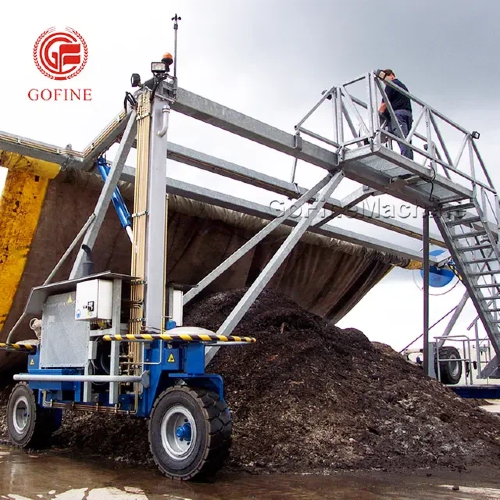
A Compost Fertilizer Machine is a specialized device designed to turn organic waste, such as food scraps, fruit peelings, and other biodegradable materials, into compost. The machine speeds up the natural composting process by maintaining optimal conditions for decomposition, such as temperature, moisture, and aeration.
How Does a Compost Fertilizer Machine Work?
The machine works by turning food scraps and fruit peelings into compost through a process known as aerobic decomposition. The key components of the Compost Fertilizer Machine are:
Aeration System: Provides constant airflow to maintain the oxygen levels needed for aerobic bacteria to break down the organic material.
Turning Mechanism: This component continuously turns and mixes the materials, ensuring even exposure to oxygen and promoting faster decomposition.
Temperature Control: The machine monitors and regulates the internal temperature, keeping it within the ideal range for composting.
Moisture Regulation: Ensures that the compost pile stays moist, facilitating the activity of microorganisms that decompose the organic waste.
By automating these processes, the Compost Fertilizer Machine makes composting faster, more efficient, and less labor-intensive compared to traditional methods.
Why Compost Food Scraps and Fruit Peelings?
Composting food scraps and fruit peelings is beneficial in several ways. Instead of throwing away organic materials that will take up space in landfills, composting recycles them into something useful.
Nutritional Value of Composted Food Scraps
When food scraps and fruit peelings are composted, they break down into a dark, nutrient-rich material called humus. This compost contains essential nutrients such as nitrogen, phosphorus, and potassium, which are vital for plant growth. By composting, you create a natural fertilizer that can help improve soil quality and support healthy plant growth.
Environmental Benefits of Composting
Composting organic waste significantly reduces the amount of waste sent to landfills. Food waste in landfills generates methane, a potent greenhouse gas. By composting, you can help mitigate climate change by reducing methane emissions. Additionally, composting food scraps and fruit peelings reduces the need for synthetic fertilizers, which can be harmful to the environment.
Preparing Food Scraps and Fruit Peelings for Composting
Before composting food scraps and fruit peelings in a Compost Fertilizer Machine, proper preparation is essential for efficient decomposition.
Tips for Cutting and Preparing Food Scraps
While food scraps such as vegetable peelings, fruit cores, and coffee grounds are perfect for composting, their size and shape matter. Cutting or chopping them into smaller pieces increases surface area, making it easier for microorganisms to break them down.
Common compostable food scraps:
Fruit and vegetable peelings
Coffee grounds
Eggshells
Tea bags (without synthetic materials)
Plant-based scraps (e.g., leftover greens, stems, and leaves)
Avoid composting the following items, as they can disrupt the composting process or attract pests:
Meat, dairy, and fatty foods
Processed foods with chemicals
Diseased plants
Balancing "Green" and "Brown" Materials
For optimal composting, it’s important to balance "green" materials (rich in nitrogen) and "brown" materials (rich in carbon). Food scraps and fruit peelings are considered "green," while dry leaves, straw, and paper are examples of "brown" materials. A balanced mixture of these materials ensures proper decomposition and prevents odor.
A general rule of thumb is to maintain a 1:3 ratio of green to brown materials.
Green Materials | Brown Materials |
Fruit peelings | Dry leaves |
Vegetable scraps | Straw or hay |
Coffee grounds | Shredded paper |
Grass clippings | Sawdust |
Moisture and Aeration
Moisture is crucial for decomposition. Food scraps and fruit peelings contain a lot of moisture, but you may need to add extra water or dampen the mixture, especially if the compost appears dry. The Compost Fertilizer Machine helps maintain the right moisture levels, ensuring a productive composting environment.
How a Compost Fertilizer Machine Helps with Food Scraps and Fruit Peelings
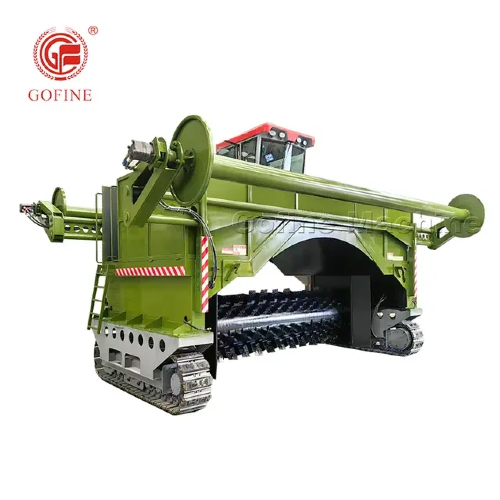
A Compost Fertilizer Machine plays a key role in speeding up the composting process, ensuring that food scraps and fruit peelings break down efficiently and quickly.
Benefits of Using a Compost Fertilizer Machine
Faster Composting Cycle: The machine accelerates the composting process, turning food scraps and fruit peelings into compost in a fraction of the time it would take using traditional methods.
Consistent Decomposition: The machine ensures that the composting process is uniform, with all materials being consistently turned and aerated. This eliminates the risk of incomplete decomposition, which is common in manual composting.
High-Quality Compost: The machine produces nutrient-dense compost that is free from pathogens and contaminants, making it ideal for use in gardens and agricultural fields.
Odor Control: With the aeration system and proper moisture regulation, the Compost Fertilizer Machine prevents the build-up of unpleasant odors, which can be an issue with traditional composting.
Step-by-Step Guide to Composting Food Scraps and Fruit Peelings
Using a Compost Fertilizer Machine makes composting food scraps and fruit peelings much easier and faster. Here’s how you can compost using the machine:
1. Add Food Scraps and Fruit Peelings
Start by adding food scraps and fruit peelings to the compost machine. Be sure to chop or break down larger pieces into smaller, manageable sizes. Add the material gradually to avoid overloading the machine.
2. Layering
Layer food scraps with brown materials such as leaves, straw, or paper. This layering helps balance carbon and nitrogen levels, facilitating proper decomposition. Each layer should be about 2-4 inches thick.
3. Aerate and Turn the Pile
The Compost Fertilizer Machine automatically aerates the pile by turning the material regularly. This ensures that oxygen reaches all parts of the compost and accelerates microbial activity. Some machines also feature temperature control to maintain an ideal temperature for decomposition.
4. Monitor Moisture Levels
Ensure that the compost remains moist but not soggy. The Compost Fertilizer Machine will regulate moisture, but you can adjust by adding water if necessary.
5. Wait for Decomposition
The composting process typically takes several weeks to a few months, depending on the machine and conditions. Regularly check the temperature and moisture levels to ensure optimal conditions.
The Benefits of Using a Compost Fertilizer Machine for Food Waste
Using a Compost Fertilizer Machine for composting food scraps and fruit peelings offers numerous advantages over traditional composting methods:
1. Faster Results
A composting machine speeds up the decomposition process, producing high-quality compost much faster than traditional composting methods.
2. Minimal Effort
The machine requires minimal manual labor, allowing you to focus on other tasks while the composting process runs smoothly.
3. Reduced Risk of Pests
By maintaining proper aeration and temperature, the machine reduces the likelihood of attracting pests, which is a common issue with traditional composting.
4. High-Quality Fertilizer
The compost produced by a Compost Fertilizer Machine is rich in nutrients and free from contaminants, making it perfect for gardening and agriculture.
Table: Composting Materials and Their Role in Decomposition
Material Type | Carbon Content | Nitrogen Content | Best Used For |
Food Scraps (green) | Low | High | Source of nitrogen for microbial growth |
Fruit Peelings (green) | Low | High | High in moisture, good for decomposition |
Dry Leaves (brown) | High | Low | Balances nitrogen and prevents odors |
Straw (brown) | High | Low | Provides structure and aeration |
Maintaining a Compost Fertilizer Machine for Food Waste
Proper maintenance of your Compost Fertilizer Machine ensures that it operates efficiently for years. Here are some maintenance tips:
1. Cleaning the Machine
Regular cleaning helps prevent the buildup of food residues, which can cause clogging or odors. Follow the manufacturer's instructions for cleaning and sanitizing the machine.
2. Lubricating Moving Parts
Ensure that all moving parts, such as the turning mechanism and aeration system, are properly lubricated. This reduces wear and tear and extends the machine’s lifespan.
3. Inspecting the Components
Perform regular inspections to check for any signs of damage or malfunction. Early detection of issues can prevent costly repairs.
Conclusion
Composting food scraps and fruit peelings with a Compost Fertilizer Machine is an efficient and environmentally sustainable method of recycling organic waste. These machines accelerate the composting process, ensuring the production of high-quality compost that enriches the soil and supports agricultural growth. By reducing food waste in landfills, they also help mitigate environmental impacts such as methane emissions, making them a valuable tool in waste management.
At Zhengzhou Gofine Machine Equipment Co., Ltd., we specialize in providing advanced Compost Fertilizer Machines designed for a range of applications, from small-scale residential use to large-scale commercial and industrial composting. Our machines are engineered to optimize the composting process, offering speed, efficiency, and minimal maintenance.
Investing in one of our Compost Fertilizer Machines is a smart choice for individuals, businesses, and municipalities looking to enhance their waste management systems. Contact us today to learn more about how our solutions can help you recycle organic waste, reduce environmental impact, and produce nutrient-rich compost for a greener, more sustainable future.
FAQ
Q1: Can I compost all types of food scraps and fruit peelings in a Compost Fertilizer Machine?
Yes, most food scraps and fruit peelings are suitable for composting, but avoid materials like meat, dairy, and oils as they can attract pests and disrupt the composting process.
Q2: How long does it take to compost food scraps using a Compost Fertilizer Machine?
The process typically takes 3-6 weeks, depending on the machine and the material being composted.
Q3: What should I do if my compost smells while using a Compost Fertilizer Machine?
If your compost smells, it may be too wet or lacking in aeration. Add more brown materials (e.g., leaves, straw) and ensure the machine is properly aerating the pile.
Q4: Can a Compost Fertilizer Machine handle large quantities of food scraps?
Yes, Compost Fertilizer Machines are designed to handle large volumes of food waste, making them suitable for commercial-scale composting operations.
Q5: Do I need to add anything else to food scraps and fruit peelings to make good compost?
To make high-quality compost, balance the food scraps with brown materials like leaves, straw, or sawdust, and maintain proper moisture levels.


