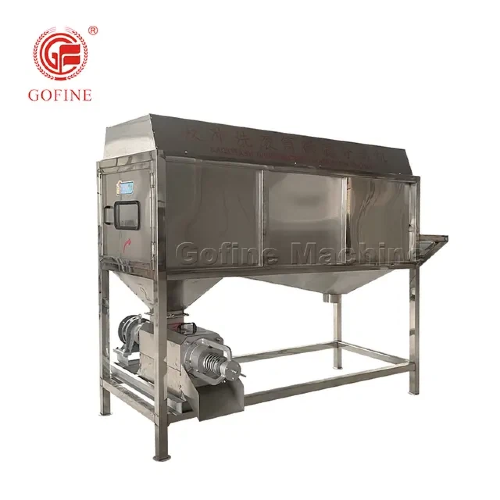
Composting is a highly effective and environmentally friendly method of recycling organic waste, transforming it into valuable compost that improves soil fertility and supports sustainable agriculture. A Compost Fertilizer Machine plays a crucial role in accelerating the composting process, turning organic waste such as food scraps, agricultural residue, and yard trimmings into nutrient-rich compost more efficiently. By providing optimal conditions such as proper aeration, temperature, and moisture control, these machines significantly reduce the time required for composting, making it a practical solution for large-scale waste management. In this article, we will explore what a composting machine is, how it works, and why it is essential for modern agricultural practices and effective waste management systems.
What is a Composting Machine?
A composting machine is a mechanical device designed to turn organic waste, such as agricultural by-products, food waste, and other biodegradable materials, into compost. This process, known as composting, involves the breakdown of organic material by microorganisms under controlled conditions, turning it into a dark, crumbly material that can be used as a natural fertilizer.
How Does a Composting Machine Work?
The process of composting typically involves microorganisms such as bacteria and fungi, which break down organic matter into humus. The Compost Fertilizer Machine speeds up this process by providing optimal conditions such as aeration, temperature control, and moisture regulation. It continuously churns and aerates the material, ensuring that all parts are exposed to oxygen, which is necessary for aerobic decomposition.
The machine typically works in stages, including:
Feeding: Organic waste is loaded into the machine.
Aeration: The material is aerated through continuous turning or controlled ventilation.
Decomposition: Microorganisms break down the organic matter into compost.
Finished Compost: The decomposed organic material is removed as nutrient-rich compost.
Types of Composting Machines
There are several types of composting machines available, each designed for different applications. The most common types include:
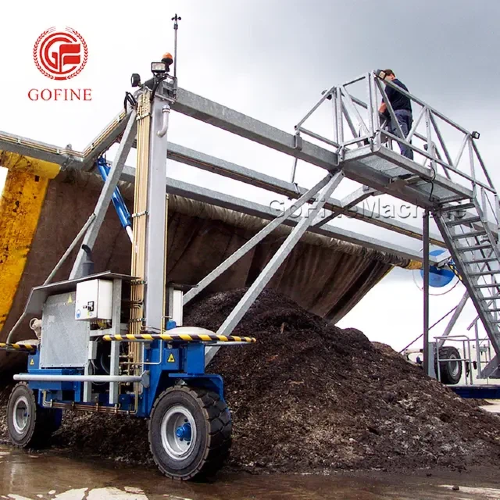
1. Crawler Compost Turner
This is one of the most widely used machines for large-scale composting. The crawler compost turner uses a set of tracks to move the machine over the compost piles. It is particularly effective for turning large volumes of waste, such as manure or agricultural residue.
Key Features:
Crawler Design: Provides better traction and mobility, even in wet conditions.
High-Efficiency: Turns large piles of material in a short period, improving composting efficiency.
Adjustable Speed: Allows for customized turning speed based on the type of material.
2. In-Vessel Composting Machines
In-vessel composting machines are enclosed systems that provide controlled conditions for composting. These systems are ideal for processing smaller batches of organic waste in urban settings or controlled environments.
Key Features:
Controlled Environment: Ideal for maintaining optimal temperature and moisture levels.
Faster Processing: Typically faster than open-air composting methods.
Space-Efficient: Suitable for areas with limited space.
3. Aerated Static Pile Systems
This system uses perforated pipes under the compost pile to deliver air to the material. It is typically used for composting large quantities of organic material in an open area but still maintains a level of control over the airflow.
Key Features:
Aeration System: Ensures uniform decomposition by evenly distributing oxygen throughout the pile.
Low Maintenance: Once set up, these systems require minimal attention.
Table: Comparison of Different Types of Composting Machines
Type | Features | Best for | Advantages |
Crawler Compost Turner | Large scale, crawler tracks for mobility | Agricultural waste, manure, crop residues | High-efficiency, durable |
In-Vessel Composting Machine | Enclosed, controlled environment | Urban organic waste, food scraps | Faster composting, space-efficient |
Aerated Static Pile Systems | Perforated pipes for aeration | Large-scale, open-air composting | Low maintenance, cost-effective |
Benefits of Using a Composting Machine
Using a Compost Fertilizer Machine offers numerous advantages over traditional composting methods, such as pit composting or manual turning.
1. Faster Composting Cycle
One of the biggest benefits of using a composting machine is the speed of the composting process. While traditional composting methods can take several months, machines can significantly reduce this time to a few weeks.
2. Consistent Quality
With controlled aeration and moisture levels, Compost Fertilizer Machines ensure that the compost produced is of high quality. This consistency makes it a reliable source of natural fertilizer, which is essential for agricultural applications.
3. Reduced Labor Costs
Manual composting methods require a significant amount of labor to turn piles and monitor the composting process. Compost Fertilizer Machines automate much of this work, reducing labor costs and the need for manual intervention.
4. Environmentally Friendly
Composting reduces the need for landfills and incinerators, which are both harmful to the environment. Using a composting machine also promotes the recycling of organic waste into useful, nutrient-rich compost.
How to Choose the Right Composting Machine?
Choosing the right Compost Fertilizer Machine depends on various factors, including the size of your composting operation, the type of material being processed, and the level of automation desired.
1. Capacity
The first factor to consider is the capacity of the machine. Larger operations will require composting machines with greater processing capabilities to handle more organic waste efficiently.
2. Material Type
Different composting machines are suited for different types of materials. For instance, some are designed specifically for agricultural waste, while others are better for food waste or manure.
3. Automation
Some composting machines come with fully automated systems, including temperature control, moisture regulation, and aeration. These features are particularly useful for large-scale composting operations where manual oversight is not practical.
Applications of Composting Machines
The use of Compost Fertilizer Machines is not limited to agriculture. They are widely used in various industries, such as waste management, organic fertilizer production, and municipal composting programs.
1. Agriculture
In agriculture, composting machines are used to convert manure, crop residues, and other organic materials into high-quality compost. This compost is then used to enrich the soil, improve crop yield, and reduce the need for chemical fertilizers.
2. Waste Management
Municipalities and waste management companies use Compost Fertilizer Machines to process organic waste collected from households, restaurants, and industries. This helps reduce the volume of waste sent to landfills and provides an eco-friendly alternative to waste disposal.
3. Industrial Applications
Industrial composting systems are used by large-scale manufacturers to process organic by-products from food processing, agriculture, and other industries. These machines help in recycling waste into useful products, reducing disposal costs, and promoting sustainability.
Maintaining a Composting Machine
Proper maintenance is essential to ensure that a Compost Fertilizer Machine operates efficiently and lasts for many years. Regular maintenance includes checking for wear and tear on moving parts, cleaning the machine to prevent blockages, and ensuring that the aeration system is functioning properly.
1. Cleaning
Regular cleaning of the composting machine is necessary to prevent material buildup, which can cause the machine to malfunction. It’s important to remove any clogs and debris that may accumulate in the system.
2. Lubrication
Some machines have moving parts that require lubrication to minimize friction and prevent damage. Regular lubrication of these parts ensures smooth operation.
3. Inspection
Routine inspections help identify any potential issues before they become major problems. Look for signs of damage, such as cracks, rust, or wear on key components.
Conclusion
Investing in a Compost Fertilizer Machine is a smart choice for anyone involved in large-scale composting, agriculture, or waste management. These machines significantly enhance the composting process by improving efficiency, reducing labor costs, and producing high-quality compost that can benefit soil health and agricultural productivity. Additionally, they play a vital role in environmental sustainability by minimizing organic waste sent to landfills and reducing the carbon footprint of waste management operations.
At Zhengzhou Gofine Machine Equipment Co., Ltd., we offer top-tier Compost Fertilizer Machines designed to meet the needs of various industries. Our machines are engineered for durability, efficiency, and ease of operation, ensuring that your composting process is both effective and sustainable. Whether you're managing agricultural waste, food scraps, or organic material from industrial processes, we have the right solutions for you.
Contact us today to learn more about how our Compost Fertilizer Machines can streamline your composting operations and contribute to a greener, more sustainable future. Let us help you turn organic waste into valuable resources!
FAQ
Q1: How does a Composting Machine work?
A Compost Fertilizer Machine works by aerating and turning organic material to promote decomposition. It provides controlled conditions such as optimal temperature and moisture, which speed up the breakdown of organic waste into compost.
Q2: What types of materials can be composted using a Composting Machine?
A composting machine can handle a variety of organic materials such as food waste, animal manure, agricultural waste, garden waste, and yard trimmings.
Q3: What are the environmental benefits of using a Composting Machine?
By using a Compost Fertilizer Machine, you can reduce the amount of organic waste sent to landfills, cut down on greenhouse gas emissions, and recycle organic material into valuable compost that improves soil quality.
Q4: How long does it take to compost with a Composting Machine?
The composting cycle can be completed within a few weeks, depending on the machine and material used. Machines that provide optimal conditions can reduce the composting time significantly.
Q5: Can a Composting Machine handle large-scale composting operations?
Yes, Compost Fertilizer Machines are designed for large-scale composting, capable of handling large volumes of organic waste efficiently and effectively.


