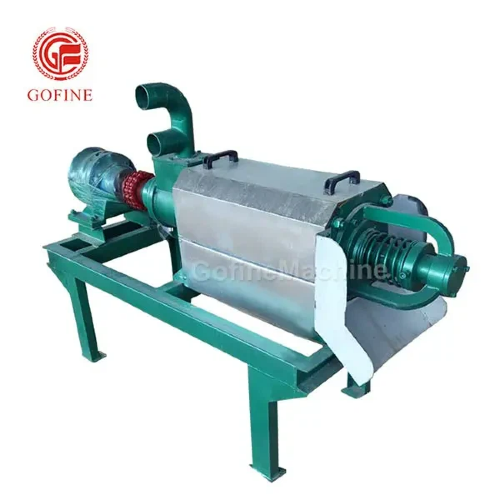
The Importance of Compost Fertilizer Machines
Compost Fertilizer Machines have become an integral part of modern agricultural and environmental waste management practices. As the world increasingly shifts towards sustainable farming and recycling, these machines offer an efficient and environmentally friendly solution for converting organic waste into high-quality compost. In this article, we will explore the key features of the best compost makers available on the market today.
The rise of organic farming and the growing concerns over environmental sustainability have made composting an essential practice for many sectors. The composting process, which converts organic waste into valuable fertilizer, plays a vital role in soil enrichment, waste reduction, and the promotion of a circular economy. A compost maker, or compost fertilizer machine, is a vital tool that accelerates this process, helping businesses and individuals process organic waste more efficiently.
What is a Compost Fertilizer Machine?
Definition of a Compost Fertilizer Machine
A Compost Fertilizer Machine is a specialized piece of equipment designed to transform organic waste materials such as animal manure, food scraps, and garden waste into high-quality compost. This machine uses various composting methods, such as aerobic fermentation, to break down organic matter efficiently.
The composting process begins when organic materials are placed into the machine. These materials are then subjected to a carefully controlled environment, including temperature, moisture levels, and air circulation. Over time, microorganisms break down the waste, converting it into nutrient-rich compost. Compost Fertilizer Machines can handle various types of organic waste, making them versatile tools for agricultural, municipal, and industrial applications.
How Does a Compost Fertilizer Machine Work?
Compost Fertilizer Machines typically utilize a combination of heat, moisture, and microbial activity to decompose organic matter. Depending on the design, some machines use a rotating drum or a static pile, while others employ forced-air systems to accelerate the composting process. The result is nutrient-rich organic fertilizer that can be used in agriculture, landscaping, and even for waste management.
There are various composting methods, such as aerobic and anaerobic composting. Aerobic composting, which requires oxygen to break down organic materials, is the most common process used by compost machines. Forced air systems are often used to maintain the necessary oxygen levels within the composting pile, which accelerates the decomposition process.
The best machines are equipped with sensors and automatic controls that ensure optimal conditions for microbial activity, thereby ensuring the compost produced is of high quality.
Key Features of a Compost Fertilizer Machine
1. Processing Capacity and Output
One of the most important aspects when choosing a compost machine is its processing capacity. The amount of organic waste a machine can handle per hour or day determines its suitability for a particular scale of operation. Machines are designed to handle various volumes, from small home-scale systems to large industrial composting facilities.
A small-scale composting machine might process 100-200 kg of organic waste per day, suitable for household or small farm use. On the other hand, large-scale composting systems can handle thousands of kilograms of organic matter daily, making them ideal for industrial composting operations. Higher-capacity machines are often equipped with multiple chambers to handle different stages of the composting process simultaneously.
Table: Compost Fertilizer Machine Processing Capacity Comparison
Machine Type | Processing Capacity | Ideal Usage | Power Consumption | Efficiency |
Small-Scale Composting | Up to 200 kg/day | Home/Garden | Low | Moderate |
Medium-Scale Composting | 500 - 1,000 kg/day | Small Farms | Medium | High |
Large-Scale Composting | 2,000 - 10,000 kg/day | Industrial | High | Very High |
2. Fermentation Efficiency and Product Quality
The composting process's efficiency is crucial for the overall quality of the finished product. Machines that can accelerate fermentation through temperature control, moisture regulation, and airflow tend to produce high-quality compost in a shorter amount of time.
Fermentation efficiency can vary depending on the type of machine and the method used. High-performance machines with advanced sensors can monitor and adjust the temperature and moisture levels, creating ideal conditions for microbial activity. This not only speeds up the composting process but also ensures that the resulting compost is of superior quality, rich in nutrients such as nitrogen, phosphorus, and potassium.
Fermentation Duration: Efficient compost machines reduce fermentation time from several months to just a few weeks, depending on the composting conditions and the waste material being processed.
Nutrient Content: The goal is to produce compost rich in essential nutrients, like nitrogen, phosphorus, and potassium, which are vital for plant growth. A well-controlled composting process ensures that the compost retains its nutritional value and is free from harmful pathogens.
3. Automation and Ease of Use
Automation plays a critical role in the operation of modern Compost Fertilizer Machines. Higher levels of automation reduce the need for manual labor and provide more consistent results. Features such as automatic temperature control, humidity monitoring, and mixing automation make these machines more user-friendly.
Automatic systems are integrated into the composting machines to ensure optimal conditions for organic decomposition without manual intervention. These systems can automatically adjust variables like temperature, moisture, and airflow, enabling composting to proceed at a consistent rate. This reduces the chance of human error and ensures that the process remains efficient even during continuous operations.
4. Energy Efficiency and Maintenance Costs
Energy consumption is a major consideration in the operation of composting machines. Energy-efficient models use less electricity while maintaining high output and efficiency. Additionally, ease of maintenance and low repair costs are factors that contribute to the machine's overall cost-effectiveness over time.
Machines with energy-efficient designs use less power for the same level of output. Some machines are equipped with low-energy motors, and many models include features that minimize energy consumption by regulating temperature and moisture levels. Additionally, machines that are designed with minimal moving parts tend to have lower maintenance costs and longer operational lifespans.
Types of Compost Fertilizer Machines Available
Compost Fertilizer Machines come in several types, each designed for different scales of operation and specific processing needs. Below are the most common types available on the market:
1. Turnover Compost Machines (Aerobic Composting)
Turnover machines are designed to turn organic waste piles periodically to ensure even decomposition. They are typically used for larger volumes of organic waste and are highly efficient in oxygenating the compost material, which accelerates the fermentation process.
Turnover machines are often used in large-scale composting operations where continuous turnover is needed to prevent the compost from becoming too compact. This process ensures that the compost is well-aerated and accelerates the microbial activity necessary for efficient decomposition.
2. Self-Propelled Compost Machines
Self-propelled composting machines are ideal for large-scale composting operations. These machines are designed to move freely across the compost pile, turning the material as they go. Their mobility makes them suitable for large farm operations and waste management facilities.
These machines are often equipped with a powerful engine and can be operated by a single person. The mobility of these machines allows them to quickly and easily turn large quantities of organic waste, ensuring that the composting process is completed in a timely and efficient manner.
3. Covered Fermentation Systems
Covered fermentation systems are enclosed units where organic materials are broken down under controlled conditions. These systems are often used for more environmentally conscious operations, as they contain odors and minimize air pollution.
Covered fermentation systems are commonly used in urban waste management, where controlling odors is important. These systems provide a controlled environment that allows for efficient decomposition while minimizing the release of harmful gases and odors into the surrounding environment.
How to Evaluate a Compost Fertilizer Machine?
Choosing the right Compost Fertilizer Machine requires careful consideration of several factors that directly impact its performance and cost-efficiency. Below are the key criteria to evaluate:
1. Product Design and Durability
The materials used in the machine’s construction are important for ensuring long-term durability and resistance to wear and tear. High-quality compost machines are made from stainless steel or other corrosion-resistant materials to withstand harsh conditions.
Durability is crucial because composting involves harsh conditions such as high moisture levels and varying temperatures. Machines built with high-quality materials will last longer and require fewer repairs, making them a more cost-effective investment.
2. Consistent Production Capacity
Consistency in production capacity is essential. The machine should be able to handle a steady volume of organic waste without frequent breakdowns or slowdowns. This is particularly important in large-scale operations where downtime can lead to inefficiencies.
A consistent production capacity ensures that the composting process remains efficient, even during peak operation periods. Machines with reliable components and advanced monitoring systems can maintain a steady output of compost, which is essential for maintaining operational schedules.
3. Support and After-Sales Services
Support and after-sales service are crucial when buying a compost machine. The best machines come with comprehensive training, installation support, and regular maintenance services. Reliable customer support helps to avoid unexpected downtime.
Choosing a manufacturer with a strong after-sales service network ensures that any issues with the machine can be resolved quickly, minimizing downtime. Additionally, good support includes training programs for operators, which helps improve the efficiency of the composting process.
Why Choose a High-Quality Compost Fertilizer Machine?
1. Efficient Waste Management
By converting organic waste into compost, these machines significantly reduce the amount of waste sent to landfills. They promote a sustainable circular economy by repurposing waste for agricultural or environmental use.
2. Enhanced Agricultural Production
The compost produced by these machines is rich in organic matter and beneficial microbes, improving soil health and boosting crop yields. It is a more sustainable alternative to chemical fertilizers, which can degrade soil quality over time.
3. Cost Reduction in Waste Disposal
With the right composting machine, businesses and farms can drastically reduce waste disposal costs by turning their waste into valuable compost. This not only benefits the environment but also provides a cost-effective solution for handling organic waste.
Key Considerations When Buying a Compost Fertilizer Machine
When purchasing a composting machine, it’s important to keep in mind several factors that will determine the machine’s efficiency and cost-effectiveness:
1. Define Your Needs
Understanding the scale of your operation and the type of organic waste you need to process is the first step in choosing the right machine. Different machines are suited for small-scale residential use, medium-scale farms, or large-scale industrial operations.
2. Evaluate the Technology
Consider the level of automation and technology incorporated into the machine. Modern compost machines with automated systems provide better consistency and reduce the labor required.
3. Check for Reliability and After-Sales Support
Look for manufacturers who provide reliable after-sales support, including installation assistance, training, and easy access to replacement parts. A strong after-sales network ensures that your composting machine continues to perform optimally.
Conclusion
A Compost Fertilizer Machine is a valuable investment for those looking to enhance waste management practices, boost agricultural production, and support sustainability. At Zhengzhou Gofine Machine Equipment Co., Ltd., we specialize in providing high-quality composting solutions tailored to meet the needs of farmers, waste management companies, and gardeners. By selecting the right machine from our range of options, you can efficiently convert organic waste into nutrient-rich compost, improving soil health while reducing waste disposal costs. Our advanced machines are designed to maximize efficiency, minimize energy consumption, and produce superior compost. Whether you are managing a small-scale garden or a large commercial operation, our team can help you choose the perfect solution to meet your needs. Contact us today to learn more about our Compost Fertilizer Machines and how they can contribute to a more sustainable future. Let us help you make a positive impact on both the environment and your business.
FAQ
What is a Compost Fertilizer Machine?
A Compost Fertilizer Machine is an industrial-grade machine that converts organic waste into compost using various composting techniques, primarily focusing on aerobic fermentation to break down the materials.
Why is Compost Fertilizer Machine Important for Agriculture?
These machines are essential in converting organic waste into nutrient-rich compost, which enhances soil health and promotes sustainable farming practices.
How Long Does It Take to Make Compost Using These Machines?
The composting process using these machines can take as little as 7 to 30 days, depending on the machine’s technology and the materials being composted.
What Are the Different Types of Compost Fertilizer Machines?
The main types include turnover compost machines, self-propelled composters, and covered fermentation systems, each designed for different composting needs.
How Do I Choose the Best Compost Fertilizer Machine?
Consider your processing capacity requirements, the type of waste you need to compost, and the level of automation that suits your operational needs. Be sure to evaluate the machine’s durability, energy consumption, and after-sales service.


