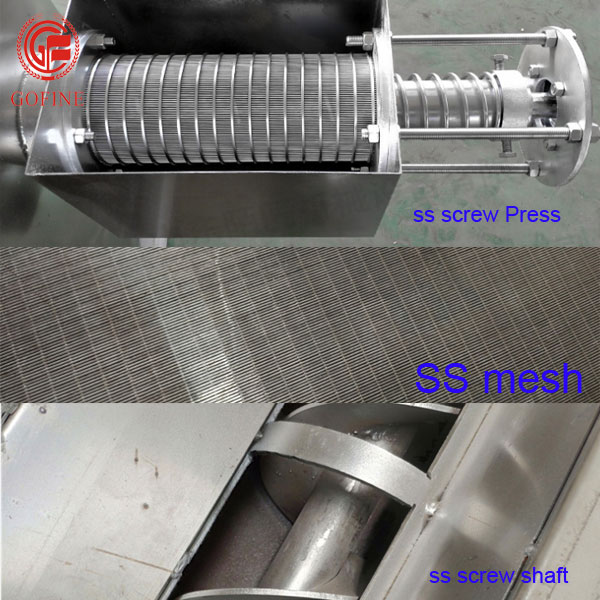
In the realm of modern agriculture, the timing and application of fertilizers play a pivotal role in maximizing crop yield and quality. Among the various techniques employed, side-dress timing stands out as a critical practice, particularly for crops like corn, wheat, rice, and cotton. This method involves the application of fertilizers during the growing season, complementing the initial fertilization done at planting. The precision in timing and the appropriate rates of application can significantly influence the nutrient uptake efficiency and overall productivity of the crops. For those interested in optimizing their fertilization strategies, the Auxiliary Fertilizer Machine offers innovative solutions to enhance application accuracy and efficiency.
Understanding Side-Dress Timing
Side-dressing refers to the application of fertilizer to the soil alongside growing plants. This technique is particularly beneficial for crops with high nutrient demands during specific growth stages. The primary goal is to provide nutrients at the time when plants can utilize them most effectively, thereby reducing wastage and environmental impact. Timing is crucial, as applying fertilizers too early or too late can lead to suboptimal nutrient uptake and potential losses.
Corn: The Need for Precision
Corn is a nutrient-intensive crop, requiring significant amounts of nitrogen, phosphorus, and potassium. The side-dress application for corn typically occurs when the plants are about 12 to 24 inches tall, around the V6 to V8 growth stages. This timing ensures that the nutrients are available during the critical period of rapid growth and development. Research indicates that precise side-dress timing can increase corn yields by up to 20%, highlighting the importance of accurate application.
Wheat: Balancing Growth and Nutrient Supply
Wheat, a staple crop globally, benefits from side-dressing primarily during the tillering stage. This stage is crucial for determining the number of grains per spike, directly influencing yield. The application of nitrogen during this period can enhance tiller survival and grain filling. Studies have shown that side-dressing nitrogen at the right time can improve wheat yields by 15-25%, depending on environmental conditions and soil fertility.
Rice: Timing for Maximum Efficiency
Rice cultivation, particularly in flooded conditions, presents unique challenges for nutrient management. Side-dressing in rice is often done at the panicle initiation stage, a critical phase for determining grain number and size. Proper timing of nitrogen application can enhance photosynthetic efficiency and increase grain yield. Research in Asia has demonstrated that timely side-dressing can boost rice yields by 10-15%, emphasizing the need for precision in nutrient management.
Cotton: Enhancing Fiber Quality
Cotton, known for its fiber production, requires a balanced supply of nutrients throughout its growth cycle. Side-dressing in cotton is typically done during the early bloom stage, ensuring that the plants have adequate nutrients for boll development. Nitrogen and potassium are particularly important during this phase, as they influence fiber quality and yield. Studies indicate that side-dressing can improve cotton yields by up to 18%, with significant enhancements in fiber length and strength.
Factors Influencing Side-Dress Timing
Several factors influence the optimal timing for side-dressing, including soil type, weather conditions, and crop variety. Soil texture and organic matter content affect nutrient availability and retention, necessitating adjustments in application timing. Weather patterns, particularly rainfall, can impact nutrient leaching and uptake, requiring flexible management strategies. Additionally, different crop varieties may have varying nutrient requirements and growth rates, influencing the timing of side-dress applications.
Soil Type and Nutrient Retention
Soil texture, whether sandy, loamy, or clayey, plays a significant role in nutrient retention and availability. Sandy soils, with their larger particles and lower organic matter, often require more frequent side-dressing to compensate for rapid nutrient leaching. In contrast, clayey soils, with their higher nutrient-holding capacity, may allow for less frequent applications. Understanding soil characteristics is essential for optimizing side-dress timing and ensuring efficient nutrient use.
Weather Patterns and Nutrient Uptake
Weather conditions, particularly rainfall and temperature, significantly impact nutrient uptake and availability. Excessive rainfall can lead to nutrient leaching, necessitating adjustments in side-dress timing to prevent losses. Conversely, drought conditions may reduce nutrient uptake efficiency, requiring careful management to ensure crops receive adequate nutrition. Monitoring weather patterns and adjusting fertilization strategies accordingly can enhance nutrient use efficiency and crop performance.
Crop Variety and Nutrient Requirements
Different crop varieties have distinct nutrient requirements and growth rates, influencing the timing and rate of side-dress applications. High-yielding varieties may demand more nutrients during critical growth stages, necessitating precise timing to maximize yield potential. Understanding the specific needs of each variety can help optimize side-dress timing and improve overall crop performance.
Technological Advancements in Side-Dressing
The advent of technology has revolutionized side-dressing practices, offering innovative solutions to enhance precision and efficiency. The use of GPS-guided equipment, soil sensors, and data analytics has enabled farmers to optimize nutrient application, reducing waste and improving crop yields. The Auxiliary Fertilizer Machine is one such advancement, providing precise control over application rates and timing.
GPS-Guided Equipment
GPS technology has transformed agricultural practices, allowing for precise application of fertilizers. GPS-guided equipment ensures that nutrients are applied accurately, minimizing overlap and reducing waste. This technology enables farmers to tailor side-dress applications to specific field conditions, enhancing nutrient use efficiency and crop performance.
Soil Sensors and Data Analytics
Soil sensors provide real-time data on soil nutrient levels, moisture content, and other critical parameters. This information allows farmers to make informed decisions about side-dress timing and rates, optimizing nutrient application for maximum efficiency. Data analytics tools further enhance decision-making by analyzing historical data and predicting future trends, enabling proactive management strategies.
The Role of the Auxiliary Fertilizer Machine
The Auxiliary Fertilizer Machine represents a significant advancement in side-dressing technology. This machine offers precise control over application rates and timing, ensuring that nutrients are delivered exactly when and where they are needed. Its advanced features, such as variable rate technology and automated controls, enhance efficiency and reduce labor costs, making it an invaluable tool for modern agriculture.
Conclusion
Side-dress timing is a critical component of modern agricultural practices, influencing crop yield and quality. By understanding the specific nutrient requirements and growth stages of crops like corn, wheat, rice, and cotton, farmers can optimize side-dress applications for maximum efficiency. Technological advancements, such as the Auxiliary Fertilizer Machine, offer innovative solutions to enhance precision and reduce waste, paving the way for sustainable and profitable farming practices.
FAQs
1. What is side-dress timing?
Side-dress timing refers to the application of fertilizers during the growing season, specifically when crops can most effectively utilize the nutrients. This practice is crucial for optimizing nutrient uptake and improving crop yields.
2. Why is side-dress timing important for corn?
Corn is a nutrient-intensive crop, requiring precise side-dress timing to ensure adequate nutrient availability during critical growth stages. Proper timing can increase yields by up to 20%.
3. How does side-dressing benefit wheat?
Side-dressing in wheat, particularly during the tillering stage, enhances tiller survival and grain filling, potentially improving yields by 15-25%.
4. What role does technology play in side-dressing?
Technological advancements, such as GPS-guided equipment and soil sensors, enhance the precision and efficiency of side-dressing, reducing waste and improving crop performance.
5. How does the Auxiliary Fertilizer Machine improve side-dressing?
The Auxiliary Fertilizer Machine offers precise control over application rates and timing, enhancing efficiency and reducing labor costs.
6. What factors influence side-dress timing?
Factors such as soil type, weather conditions, and crop variety influence the optimal timing for side-dressing, requiring tailored management strategies.
7. Can side-dressing improve cotton fiber quality?
Yes, side-dressing during the early bloom stage can enhance fiber quality and yield by ensuring adequate nutrient supply for boll development.


