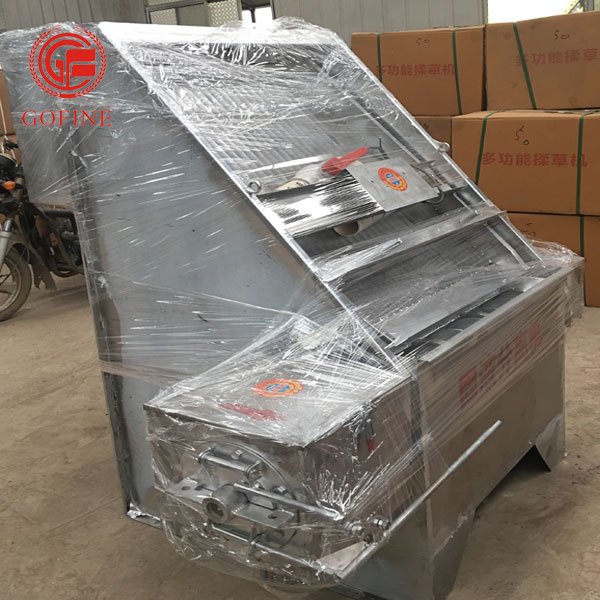
The global agricultural sector relies heavily on the efficient and safe operation of fertilizer machines. These machines are pivotal in enhancing crop yield and ensuring sustainable farming practices. However, the complexity and potential hazards associated with these machines necessitate a comprehensive safety and compliance checklist. This article delves into the critical aspects of safety and compliance for fertilizer machines, with a particular focus on the Auxiliary Fertilizer Machine. By examining industry standards, regulatory requirements, and best practices, we aim to provide a robust framework for operators and manufacturers alike.
Understanding Fertilizer Machines
Fertilizer machines are integral to modern agriculture, designed to distribute fertilizers efficiently across large tracts of land. These machines range from simple spreaders to complex automated systems. The Auxiliary Fertilizer Machine plays a crucial role in supporting primary machines, ensuring precision and efficiency in fertilizer application. Understanding the different types of fertilizer machines and their functionalities is essential for ensuring their safe and effective use.
Types of Fertilizer Machines
Fertilizer machines can be broadly categorized into spreaders, sprayers, and injectors. Spreaders are used for dry fertilizers, distributing them evenly across the field. Sprayers are designed for liquid fertilizers, while injectors apply fertilizers directly into the soil. Each type of machine has its unique safety and compliance considerations, which we will explore in detail.
Safety Standards and Regulations
Safety standards and regulations for fertilizer machines are established by various national and international bodies. These standards ensure that machines are designed and operated in a manner that minimizes risks to operators and the environment. Key regulatory bodies include the Occupational Safety and Health Administration (OSHA) in the United States and the European Union's Machinery Directive.
Key Safety Standards
The ISO 4254-6:2009 standard specifies safety requirements for fertilizer distributors. It covers aspects such as machine stability, noise levels, and operator protection. Compliance with this standard is crucial for manufacturers to ensure their machines meet global safety benchmarks. The standard also emphasizes the importance of regular maintenance and inspection to prevent accidents.
Regulatory Compliance
Regulatory compliance involves adhering to laws and regulations governing the use of fertilizer machines. In the United States, OSHA provides guidelines on machine guarding, operator training, and hazard communication. The European Union's Machinery Directive requires machines to undergo a conformity assessment before being placed on the market. These regulations are designed to protect operators and ensure environmental safety.
Developing a Safety and Compliance Checklist
A comprehensive safety and compliance checklist is essential for the safe operation of fertilizer machines. This checklist should cover all aspects of machine operation, from pre-operation inspections to emergency procedures. By systematically addressing potential hazards, operators can minimize risks and ensure compliance with regulatory requirements.
Pre-Operation Inspections
Before operating a fertilizer machine, it is crucial to conduct a thorough inspection. This includes checking for mechanical defects, ensuring safety guards are in place, and verifying that all controls are functioning correctly. Operators should also review the machine's manual to familiarize themselves with its operation and safety features.
Operator Training and Certification
Proper training is vital for the safe operation of fertilizer machines. Operators should receive comprehensive training on machine operation, safety protocols, and emergency procedures. Certification programs can provide operators with the necessary skills and knowledge to operate machines safely and efficiently.
Emergency Procedures
In the event of an emergency, operators must be prepared to respond quickly and effectively. Emergency procedures should be clearly outlined in the safety and compliance checklist. These procedures may include shutting down the machine, evacuating the area, and contacting emergency services. Regular drills can help ensure that operators are familiar with these procedures.
Maintenance and Inspection
Regular maintenance and inspection are critical components of a safety and compliance checklist. By keeping machines in good working condition, operators can prevent accidents and ensure compliance with safety standards. Maintenance should include routine checks of mechanical components, lubrication of moving parts, and replacement of worn or damaged parts.
Routine Maintenance
Routine maintenance involves regular checks and servicing of fertilizer machines. This includes inspecting belts, hoses, and other mechanical components for wear and tear. Lubrication of moving parts is essential to prevent friction and overheating. Operators should also check fluid levels and replace filters as needed.
Inspection Protocols
Inspection protocols should be established to ensure that machines are regularly checked for safety and compliance. These protocols may include daily inspections, pre-operation checks, and periodic audits by qualified personnel. By adhering to these protocols, operators can identify potential hazards and address them before they lead to accidents.
Conclusion
The safe and compliant operation of fertilizer machines is essential for the success of modern agriculture. By adhering to safety standards and regulatory requirements, operators can minimize risks and ensure the efficient operation of these machines. A comprehensive safety and compliance checklist, covering all aspects of machine operation, is a valuable tool for achieving this goal. For those seeking to enhance their understanding of fertilizer machines, the Auxiliary Fertilizer Machine offers a wealth of insights into best practices and safety protocols.
FAQs
1. What are the main types of fertilizer machines?
Fertilizer machines are primarily categorized into spreaders, sprayers, and injectors, each designed for specific types of fertilizers and application methods.
2. Why is regulatory compliance important for fertilizer machines?
Regulatory compliance ensures that fertilizer machines are safe for operators and the environment, adhering to laws and standards that minimize risks.
3. How often should fertilizer machines be inspected?
Fertilizer machines should undergo regular inspections, including daily checks, pre-operation inspections, and periodic audits to ensure safety and compliance.
4. What should be included in a safety and compliance checklist?
A safety and compliance checklist should cover pre-operation inspections, operator training, emergency procedures, and maintenance protocols.
5. How can operators ensure the safe operation of fertilizer machines?
Operators can ensure safe operation by following safety protocols, undergoing proper training, and adhering to maintenance and inspection schedules.
6. What role does the Auxiliary Fertilizer Machine play?
The Auxiliary Fertilizer Machine supports primary machines, enhancing precision and efficiency in fertilizer application.
7. What are the benefits of routine maintenance for fertilizer machines?
Routine maintenance helps prevent mechanical failures, reduces downtime, and ensures machines operate efficiently and safely.


