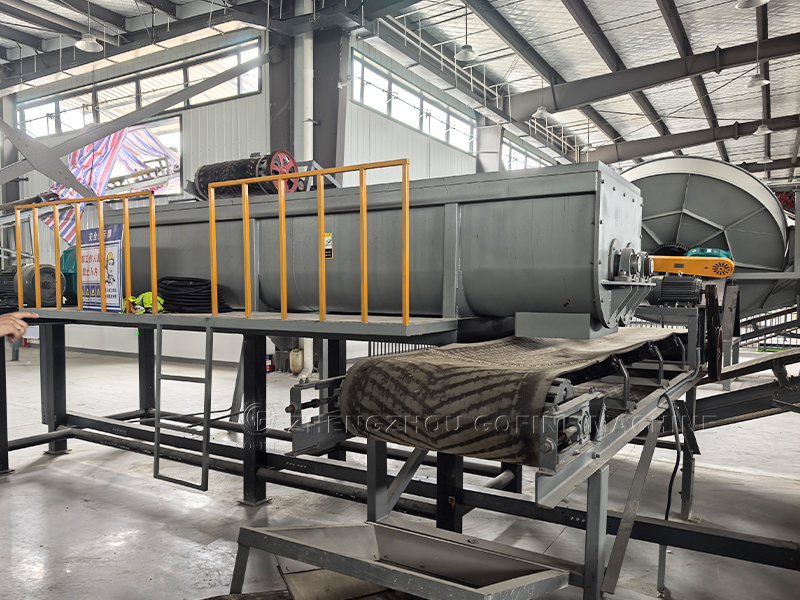
In the rapidly evolving world of agriculture, the use of technology has become indispensable. Among the various innovations, the Auxiliary Fertilizer Machine stands out as a crucial component in enhancing agricultural productivity. This article delves into the types, applications, and return on investment (ROI) associated with these machines. As we explore these aspects, we aim to provide a comprehensive understanding of how these machines contribute to modern farming practices.
Types of Auxiliary Fertilizer Machines
Auxiliary Fertilizer Machines come in various types, each designed to cater to specific agricultural needs. These machines can be broadly categorized into spreaders, injectors, and sprayers. Each type plays a unique role in the application of fertilizers, ensuring that crops receive the necessary nutrients for optimal growth.
Spreaders
Spreaders are designed to distribute granular fertilizers evenly across the field. They are equipped with mechanisms that ensure precise application rates, minimizing waste and maximizing efficiency. Modern spreaders often come with GPS technology, allowing for variable rate application based on soil nutrient levels. This precision not only improves crop yield but also reduces environmental impact by preventing over-fertilization.
Injectors
Injectors are used to apply liquid fertilizers directly into the soil. This method is particularly beneficial for crops that require nutrients at specific root depths. By delivering fertilizers directly to the root zone, injectors enhance nutrient uptake and reduce losses due to volatilization or runoff. This targeted approach is especially advantageous in regions with sandy soils or high rainfall, where nutrient leaching is a concern.
Sprayers
Sprayers are versatile machines that can apply both liquid fertilizers and pesticides. They are essential for foliar feeding, where nutrients are absorbed through the leaves. Sprayers are equipped with nozzles that produce fine droplets, ensuring even coverage and efficient nutrient absorption. The use of sprayers is particularly beneficial in addressing micronutrient deficiencies, which are often not met through soil application alone.
Applications of Auxiliary Fertilizer Machines
The applications of Auxiliary Fertilizer Machines are vast and varied, reflecting the diverse needs of modern agriculture. These machines are employed in both large-scale commercial farming and smallholder operations, adapting to different crop types and farming practices.
Large-Scale Commercial Farming
In large-scale commercial farming, Auxiliary Fertilizer Machines are integral to achieving high productivity levels. They enable farmers to cover extensive areas efficiently, ensuring that each plant receives the right amount of nutrients. The precision and speed offered by these machines reduce labor costs and increase operational efficiency, making them a valuable asset for commercial operations.
Smallholder Farms
For smallholder farms, these machines offer a means to enhance productivity without significant labor input. They are often designed to be compact and easy to operate, making them accessible to farmers with limited resources. By improving nutrient management, these machines help smallholders increase yields and improve food security.
Specialized Crop Production
Auxiliary Fertilizer Machines are also used in specialized crop production, such as horticulture and viticulture. These sectors require precise nutrient management to produce high-quality crops. The ability to tailor fertilizer application to specific crop needs enhances quality and yield, providing a competitive edge in the market.
Return on Investment (ROI) of Auxiliary Fertilizer Machines
Investing in Auxiliary Fertilizer Machines can yield significant returns, both in terms of increased productivity and cost savings. The ROI of these machines is influenced by several factors, including the scale of operation, crop type, and local environmental conditions.
Increased Productivity
One of the primary benefits of these machines is the increase in crop productivity. By ensuring precise and efficient nutrient application, they help maximize yields. This increase in productivity translates to higher revenue for farmers, offsetting the initial investment cost.
Cost Savings
Auxiliary Fertilizer Machines also contribute to cost savings by reducing labor and input costs. The precision of these machines minimizes fertilizer waste, lowering input expenses. Additionally, the reduction in labor requirements decreases operational costs, further enhancing profitability.
Environmental Benefits
Beyond financial returns, these machines offer environmental benefits that contribute to sustainable farming practices. By optimizing fertilizer use, they reduce nutrient runoff and minimize environmental pollution. This sustainability aspect is increasingly important as consumers and regulators demand environmentally responsible farming practices.
Conclusion
In conclusion, the Auxiliary Fertilizer Machine is a vital tool in modern agriculture, offering numerous benefits across different farming scales and practices. Its ability to enhance productivity, reduce costs, and promote sustainable farming makes it an invaluable asset for farmers worldwide. As technology continues to advance, these machines will likely become even more integral to agricultural success.
FAQs
1. What are the main types of Auxiliary Fertilizer Machines?
The main types include spreaders, injectors, and sprayers, each serving specific functions in fertilizer application.
2. How do spreaders benefit agricultural productivity?
Spreaders distribute granular fertilizers evenly, ensuring precise application rates and reducing waste.
3. Why are injectors particularly useful in certain regions?
Injectors apply liquid fertilizers directly to the root zone, which is beneficial in areas prone to nutrient leaching.
4. What role do sprayers play in nutrient management?
Sprayers are used for foliar feeding, providing essential nutrients through the leaves for better absorption.
5. How do these machines contribute to cost savings?
They reduce labor and input costs by minimizing fertilizer waste and lowering operational expenses.
6. What environmental benefits do Auxiliary Fertilizer Machines offer?
They optimize fertilizer use, reducing nutrient runoff and minimizing environmental pollution.
7. Why is the ROI of these machines significant?
The ROI is significant due to increased productivity, cost savings, and environmental benefits, making them a valuable investment for farmers.


