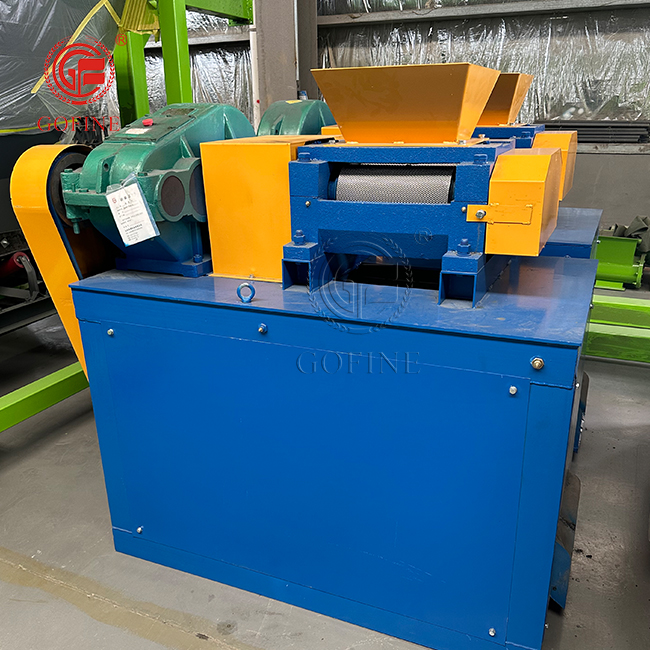
Selecting between solid and liquid nutrient delivery impacts more than just crop yield. It dictates labor costs, equipment overhead, and operational scalability. You must make this choice carefully to protect your profit margins. Both fertilizer types deliver identical core macro-nutrients (N-P-K) to your plants. However, their release mechanisms, spatial mobility in soil, and total cost of ownership (TCO) differ vastly. A wrong guess here can waste thousands of dollars.
We designed this guide to provide agronomists, commercial growers, and agricultural manufacturers a clear path forward. You will gain an evidence-based framework for evaluating both nutrient formats. We will examine application logistics, financial metrics, and agronomic impacts. We also explore equipment insights for those looking to scale their own blending operations. Read on to optimize your commercial farming strategy, reduce hidden operational risks, and secure better yields.
Key Takeaways
Release Timelines: Soluble fertilizers provide immediate, 1-to-2-week nutrient spikes, while granular fertilizers offer controlled, slow-release feeding spanning 6 to 8 weeks.
Application Accuracy: Granular formats offer high visual traceability, preventing costly overlap, whereas soluble applications guarantee exact nutrient uniformity per drop but require precise calibration.
Cost Efficiency: Granular options typically yield a lower long-term TCO for large-scale broadcast applications, whereas soluble options present higher upfront costs but superior ROI in targeted, fast-acting scenarios (like fertigation).
Manufacturing & Sourcing: Producing consistent, low-dust granular products requires a high-quality fertilizer granulator machine to ensure uniform coating and accurate soil distribution.
Core Agronomic Differences: Release Mechanics and Nutrient Mobility
Plants fundamentally do not care whether they consume a liquid or a solid. They absorb nutrients as ions in the soil solution. The true difference lies in how those ions reach the root zone.
Nutrient Absorption Speeds
Soluble fertilizers provide immediate plant availability. You will typically see visual effects within two to four days. This rapid absorption makes liquid options ideal for critical growth phases. They also work perfectly for emergency nutrient corrections.
Granular formats rely on a slow-release mechanism. They require adequate soil moisture and microbial breakdown to activate. You might wait five to seven days to see initial effects. However, polymer-coated variants can last up to nine months. This extended timeline offers immense value for seasonal crop planning.
Spatial Mobility vs. Uniformity
Soluble applications provide a 100% homogenous mixture. Every drop contains the exact N-P-K ratio listed on the label. Liquids move freely within the soil solution, reaching widespread root networks quickly.
Conversely, solid granules exhibit a "spatial difference." Immobile nutrients like phosphorus tend to stay right next to the physical granule. Roots must actively seek out these nutrient pockets. This spatial reality demands highly accurate spreading equipment.
Salt Index and Root Safety
Uncoated solid fertilizers often carry a high salt index. They can create localized "hot" zones in the soil. High salt concentrations deter new root growth and can burn delicate seedlings. Soluble fertilizers avoid this issue. They are inherently diluted before application, making them safer for fragile early-stage root systems.
Feature | Soluble Fertilizers | Granular Formats |
Absorption Speed | 2 to 4 days (Immediate) | 5 to 7 days (Slow, sustained) |
Nutrient Mobility | High (moves freely in soil solution) | Low (creates localized nutrient pockets) |
Salt Index Risk | Low (pre-diluted) | High (can burn nearby roots) |
Longevity | 1 to 2 weeks | 6 weeks to 9 months |
Temperature Dependencies
Implementation realities heavily influence nutrient availability. Organic solid fertilizers rely entirely on microbial activity for breakdown. Soil temperatures below 50°F severely restrict this microbial action. If you apply heavy organic loads during a cold spring, nutrients will remain locked. Once summer heat arrives, microbes rapidly release these stockpiled nutrients. This delayed dumping often causes unwanted vegetative spikes instead of fruit production.
Application Logistics: Evaluating Operational Risks and Equipment
Application logistics dictate your labor requirements and your daily operational risks. You must match your delivery system to your environment.
Application Methodologies
Commercial operations use drastically different methods depending on the format. Soluble options integrate seamlessly into automated systems. Granular methods require heavy machinery and multiple field passes.
Soluble Applications: Fertigation, foliar feeding, and seed treatments. These show high efficiency in arid soils. However, they remain prone to volatilization or leaching if applied incorrectly.
Granular Applications: Broadcasting, banding, side-dressing, and top-dressing. These methods excel across vast acreages but require heavy tractor usage.
Visibility and Error Reduction
Solid granules offer a massive operational advantage: visibility. Tractor operators can clearly see where they have dropped material on the ground. This visual traceability drastically reduces the risk of accidental application overlap. Overlapping liquid sprays can double the nutrient dose in a single pass, destroying crop zones. Granular visibility acts as an immediate fail-safe for your operators.
Weather and Environmental Vulnerabilities
Best Practice: Always monitor your local weather forecasts closely before scheduling any application.
Common Mistake: Spraying soluble nutrients hours before a heavy rainstorm. The water will wash the liquid right past the root zone, causing severe runoff into local waterways.
Slow-release granules show incredible structural resilience in heavy rainfall. A sudden downpour will not wash away polymer-coated products. They simply absorb the moisture and continue their slow decomposition. If your region experiences unpredictable flash floods, solid formats offer far superior environmental safety.
TCO and ROI: A Financial Framework for Commercial Operations
Agronomic benefits mean nothing if the financials do not scale. You must look beyond the initial purchase price. Evaluate the Total Cost of Ownership (TCO) across a multi-year timeline.
Upfront vs. Recurring Costs
Granular formats offer significant bulk-purchasing economies of scale. You buy them by the ton. Furthermore, their slow-release nature means fewer application passes per season. Fewer passes mean reduced diesel consumption and lower labor hours. This combination typically yields a lower TCO for large-scale broadcast applications.
Soluble formats cost more per unit of raw nutrient. Because they act quickly and dissipate fast, they demand higher labor hours. You must frequently reapply them throughout the growing season. However, they offer a superior Return on Investment (ROI) in targeted scenarios. Emergency fertigation to save a failing crop easily justifies the higher recurring cost.
Storage and Shelf Life
Inventory risk plays a huge role in commercial farming. Granular products boast exceptional long-term stability. As long as you keep them dry, they will not settle, separate, or degrade. Soluble concentrates present major headaches during winter. Cold weather can cause liquid formulas to crystallize. Once separated, liquid concentrates are incredibly difficult to remix thoroughly.
Infrastructure Conversion Constraints
Switching formats requires major capital expenditure (CapEx). You cannot simply pour liquid into a dry spreader. Consider these financial hurdles before transitioning:
Tank Installations: Liquid systems require massive, corrosion-resistant storage tanks.
Plumbing Retrofits: You must install specialized pumps, hoses, and nozzles on existing tractors.
Calibration Hardware: Liquid applications demand expensive GPS-guided flow meters to ensure precise dosing.
Many commercial farms stick to dry applications simply to avoid these massive conversion costs.
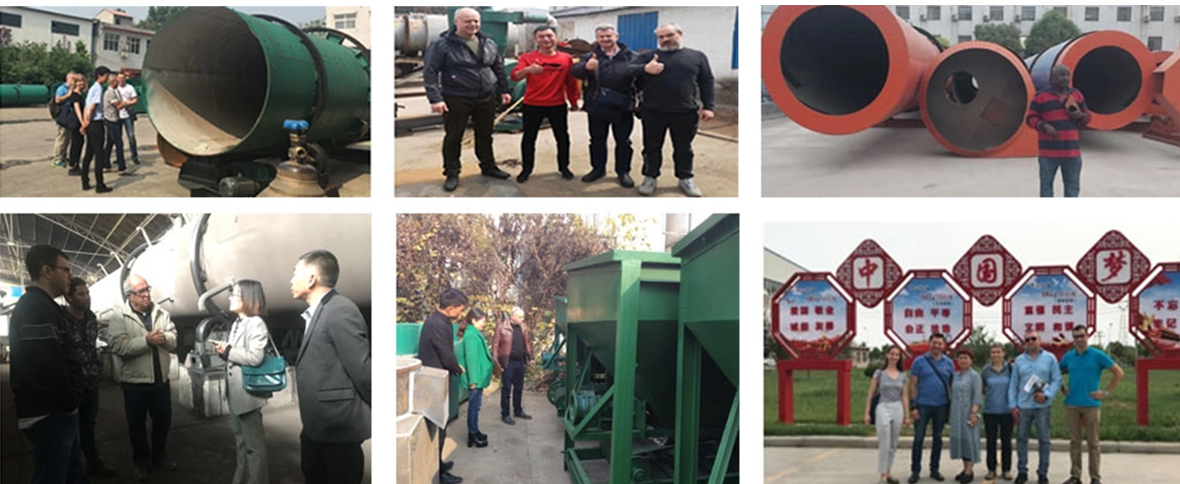
Scaling Production: The Role of a Reliable Fertilizer Equipment Supplier
As commercial farms and cooperatives grow, buying bulk material eventually becomes inefficient. Many large operators choose to transition from buyers to active producers.
Transitioning from Buyer to Producer
Producing your own custom NPK blends unlocks incredible business value. You control the exact nutrient ratios. You eliminate massive supplier markups. For operations consuming thousands of tons annually, in-house production easily justifies the initial machinery investment. You dictate the supply chain, ensuring you always have product during crucial planting windows.
Selecting a Fertilizer Granulator Machine
If you decide to manufacture, you need specialized hardware. A Fertilizer Granulator Machine represents the heart of your operation. You must define essential equipment specifications carefully. The machine must handle various raw materials, from urea to potash. It needs to guarantee high pelletization rates while minimizing airborne dust.
Modern agronomic demands require advanced capabilities. Look for machines offering polymer or sulfur coating integration. Coated granules provide the controlled release characteristics that commercial growers demand. Proper pelletization ensures exact soil distribution and prevents nutrient segregation during transport. Producing a high-quality granular fertilizer gives you a massive competitive edge in the local market.
Vendor Evaluation Criteria
Do not purchase heavy machinery blindly. Vetting your vendor prevents catastrophic production downtime. When evaluating a fertilizer equipment supplier, look beyond the initial price tag. Ask them about their post-sale maintenance support. Ensure their equipment meets international compliance standards. A reputable vendor will offer detailed installation guidance and lifecycle longevity guarantees for their machines.
Hybrid Approaches: Maximizing Yield with Blended Strategies
Agronomy rarely operates in absolutes. The most profitable commercial farms do not choose just one format. They combine them into a unified, high-yield strategy.
The "Base and Boost" Methodology
We recommend employing a "Base and Boost" framework. Use a granular product as your foundational, pre-season base. Broadcast it heavily before planting. This provides sustained feeding throughout the early vegetative months. Once the crop reaches peak vegetative or fruiting stages, switch tactics. Supplement the base with targeted soluble foliar sprays. This provides an immediate nutrient boost exactly when the plant's demand peaks, maximizing overall yield.
Nanotech and "Sparged" Granules
Modern product innovations continue to blur the lines between solid and liquid. Manufacturers now utilize "sparging" techniques. They coat dry granular cores with thin liquid nutrient layers. This bridges the gap between immediate absorption and sustained release. Furthermore, nanotech encapsulation prevents soil ion "tie-up." This ensures trace minerals like zinc and iron remain available to the plant, rather than locking into the soil chemistry.
Conclusion
Choosing your nutrient delivery format requires careful calculation. Choose soluble formulas for precision dosing, rapid field correction, and integrated fertigation. They save crops during critical stress periods. Choose solid granular products for scalable, long-term soil health. They offer lower application frequencies and unbeatable bulk cost efficiency.
For operations consuming massive tonnage, taking control of your supply chain is the ultimate next step. Partnering with an established equipment supplier to integrate dedicated granulator machinery dramatically reduces your long-term TCO. By producing your own high-quality blends, you guarantee product consistency and protect your operation from global supply chain shocks. Evaluate your current acreage, calculate your labor costs, and implement the format that best scales your business.
FAQ
Q: Can I mix granular and soluble fertilizers in the same application cycle?
A: Yes, many growers use a hybrid approach successfully. However, do not physically mix dry and liquid products in the same tank or hopper. Apply your dry base first, water it in, and use liquid foliar sprays weeks later to avoid nutrient lockout and excessive salt buildup.
Q: How long does granular fertilizer take to dissolve completely?
A: Standard agricultural-grade granules typically dissolve and release nutrients over a 6-to-8-week period. High-tech variants coated in polymers or sulfur can extend this timeline significantly, feeding crops continuously for 3 to 9 months depending on soil moisture.
Q: Does a fertilizer granulator machine allow for custom NPK ratios?
A: Absolutely. Rotary drum and pan granulators offer immense flexibility. Manufacturers can adjust the raw material feed rates before the pelletization process, allowing commercial operators to produce precise, custom NPK blends tailored to specific soil tests.
Q: Which fertilizer type is better for areas with heavy rainfall?
A: Granular formats are vastly superior in heavy rainfall regions. Soluble options carry a high risk of leaching, washing quickly past the root zone. Slow-release granules physically retain their structure, slowly releasing nutrients regardless of sudden storm activity.


