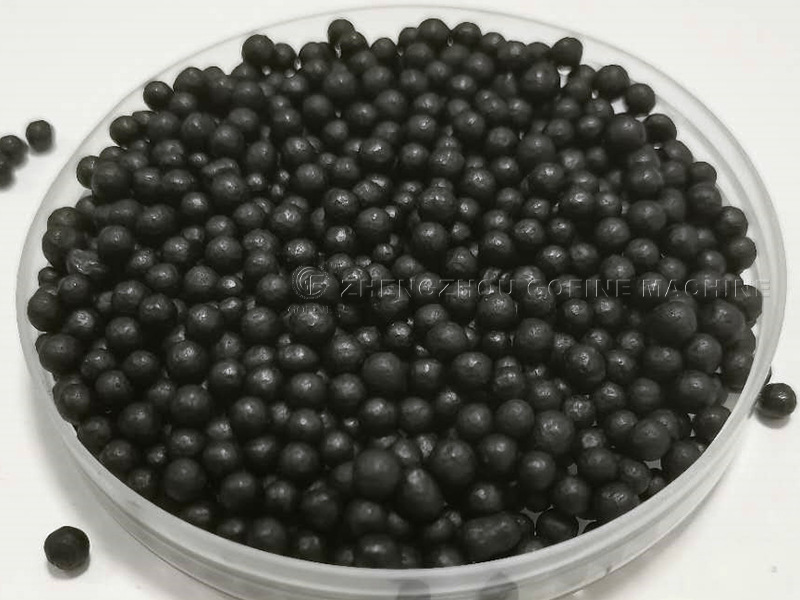
Does fertilizer really expire? Many farmers and production managers ask this question when facing pallets of clumped product. The short answer is no, but the physical reality remains complex. You must understand the distinction between chemical expiration and physical degradation. Chemical breakdown is incredibly rare for synthetic nutrients. Physical degradation, however, is a common and costly problem. It causes severe caking, excess dust, and rapid moisture absorption. These physical changes pose a direct threat to your application efficiency. They also ruin product valuation and reduce your overall agricultural ROI. The true shelf life of granular fertilizer depends heavily on three specific factors. First, your storage conditions play a massive role. Second, the types of raw materials dictate structural stability. Finally, the quality of the initial granulation process determines long-term viability. In this article, you will learn how granules actually degrade. We will also explore the hidden costs of spoilage and explain how production upgrades solve these critical issues.
Key Takeaways
Chemical vs. Physical Life: Synthetic fertilizers rarely lose chemical potency, but physical breakdown (caking) renders them unusable; organic variants degrade over time.
Moisture is the Enemy: Hygroscopicity drives clumping, which jams application equipment and wastes labor.
Production Quality Matters: High crushing strength and uniform coating during manufacturing drastically extend shelf life.
Equipment ROI: Investing in a commercial-grade Fertilizer Granulator Machine eliminates the structural flaws that cause premature degradation.
The Reality of Granular Fertilizer Shelf Life: Chemical vs. Physical Degradation
When we ask if fertilizer goes bad, we must first define spoilage. In a commercial or large-scale agricultural context, "going bad" rarely means a loss of active nutrients. Instead, it means the product loses its physical usability. A structurally compromised product cannot flow through machinery. It becomes impossible to spread evenly across a field.
Synthetic and Mineral Fertilizers (NPK, Urea)
Synthetic fertilizers consist of elemental nutrients. Elements like nitrogen, phosphorus, and potassium do not evaporate into thin air. They do not have an expiration date. A bag of 10-10-10 NPK stored perfectly dry remains chemically identical decades later. However, synthetic minerals share a critical flaw. They are highly hygroscopic. This means they actively absorb moisture directly from humid air.
Every fertilizer compound has a Critical Relative Humidity (CRH). When ambient humidity exceeds this threshold, the granules pull water vapor inward. This moisture dissolves the outer layer of the salts. When temperatures drop or humidity decreases, the dissolved salts recrystallize. This crystallization forms strong physical bridges between individual granules. Over time, a loose bag of pellets transforms into a solid, impenetrable block. We call this process caking.
Organic Fertilizers
Organic options behave differently. Consider standard composts or chicken manure fertilizer. These products possess a true biological shelf life. They rely on active microbes and slowly decomposing organic matter. Consequently, they require much stricter environmental controls.
If you expose organic granules to excess moisture, dormant microbes activate prematurely. This triggers early decomposition inside the storage bag. It also invites mold growth and fungal contamination. Furthermore, poor storage allows valuable soluble nutrients to leach out. Proper moisture control keeps these biological processes dormant until the product reaches the soil.
Cost Drivers: The Business Impact of Degraded Granules
Ignoring fertilizer physical quality carries massive financial consequences. The total cost of ownership (TCO) skyrockets when product degrades. You must evaluate the hidden costs destroying your return on investment (ROI).
Application Inefficiencies
Time is money during planting season. Clumped or powdered fertilizer severely jams broadcast spreaders and commercial planting equipment. When a machine jams, operators must stop their tractors. They spend costly downtime physically breaking apart solid chunks by hand. This manual labor wastes precious daylight hours and delays critical planting schedules.
Uneven Nutrient Distribution
Degraded physical quality destroys precision agriculture. Dust and irregular granule sizes lead to erratic field application. Lighter dust particles blow away in the wind, landing off-target. Meanwhile, heavy clumps fall directly under the spreader, causing localized nutrient burn. This erratic distribution starves some crops while over-fertilizing others. Ultimately, it reduces your crop yield predictability and harms overall revenue.
Inventory Spoilage
Distributors and manufacturers feel this pain directly in their warehouses. Caked pallets represent stranded capital. You cannot sell a solid brick of urea at retail price. Facility managers must relegate caked inventory to discounted salvage sales. In extreme cases of moisture damage or organic mold, the entire pallet becomes a total financial write-off.
Summary Chart: Business Impact of Degradation
Degradation Type | Primary Symptom | Direct Business Impact |
Caking / Clumping | Solidified bags and pallets | Equipment jams, extreme labor costs, inventory write-offs |
Dusting / Crushing | Powder accumulation at bag bottom | Wind drift, uneven field application, lost product yield |
Biological Spoilage | Mold growth, foul odors | Nutrient leaching, unsellable organic inventory |
How Granulation Quality Dictates Shelf Life (Features-to-Outcomes)
We must connect the end-user problem of spoilage back to the manufacturing root cause. Shelf life ultimately begins on the production line. A poorly manufactured granule will always fail in the field, regardless of perfect storage.
Crushing Strength and Density
High crushing strength acts as the first line of defense. Granulators must compress raw materials into dense, tightly compacted spheres. We measure this resistance in Newtons. A dense granule naturally resists moisture penetration because it lacks porous internal air pockets. Furthermore, high crushing strength prevents the pellets from physically shattering under the immense weight of pallet stacking. Weak granules quickly turn to dust under pressure.
Uniformity and Coating
Uniform size distribution drastically reduces the surface area exposed to humidity. Irregular, jagged shapes absorb moisture faster. Beyond shape, proper anti-caking coatings provide essential protection. Manufacturers apply these oils or powders during the cooling and screening phases. A uniform coating acts as a waterproof barrier. It effectively seals the granule against ambient humidity fluctuations.
Moisture Content at Bagging
Residual moisture left inside the pellet guarantees a short shelf life. Manufacturers must utilize commercial rotary dryers and coolers post-granulation. Industry best practices target a final moisture content below 1% to 2% for synthetics. If you bag a product warm or slightly damp, it will sweat inside the plastic. This internal condensation triggers immediate caking before the product even leaves your facility.
Best Practices vs. Common Mistakes
Best Practice: Testing granule crushing strength hourly during production runs to ensure consistency.
Common Mistake: Skipping the cooling phase to save energy, leading to "sweating" inside sealed storage bags.
Best Practice: Applying dual-layer anti-caking agents for export products facing long ocean transit times.
Common Mistake: Relying solely on bag liners without addressing the internal moisture of the granule itself.
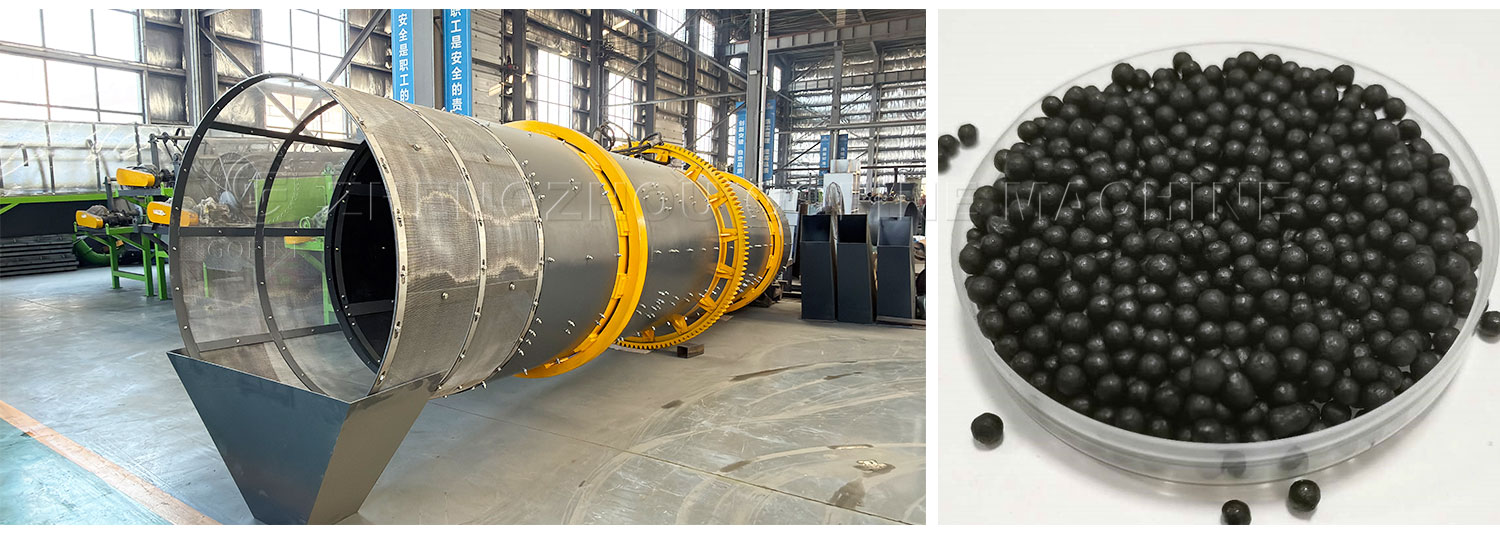
Upgrading Production: Evaluating a Fertilizer Granulator Machine
If your facility consistently produces weak, dusty, or rapidly caking products, you must assess your manufacturing capabilities. Upgrading your equipment often provides the fastest path to extending product shelf life. You need to match the specific machine technology to your raw materials.
Matching Machine to Material
Different chemical reactions and feedstocks require different mechanical approaches. Selecting the wrong type guarantees poor structural integrity.
Rotary Drum Granulators: These remain ideal for high-volume NPK production. They handle steam and chemical reactions perfectly. The rolling action creates highly spherical, durable pellets.
Disc or Pan Granulators: These machines offer high flexibility. Operators can visually monitor and adjust granule size in real-time. They work wonderfully for specific organic and inorganic specialty blends.
Extrusion or Pin/Agitator Granulators: These provide superior performance for sticky organic compounds. If you process chicken manure fertilizer, you need equipment capable of handling high initial moisture. Pin granulators use high-speed agitation to force wet organics into tight, dense spheres.
Implementation Considerations and Risks
Purchasing a Fertilizer Granulator Machine requires careful facility planning. We strongly warn against blindly retrofitting incompatible granulators into existing lines. A mismatched machine disrupts your entire conveying and drying sequence. You must consider the physical footprint of the new equipment. Evaluate the expected energy consumption increases. Additionally, calculate the required maintenance downtime for installation.
Shortlisting Logic for New Equipment
When evaluating potential machine upgrades, use a strict analytical framework. Follow these distinct evaluation steps:
Analyze the Yield Rate: Determine the percentage of perfectly sized granules produced on the first pass. A high yield rate reduces the need to crush and recycle oversized pellets.
Calculate Energy Efficiency: Assess the motor power requirements against the tons-per-hour output. Efficient drives lower your daily operational expenses.
Evaluate Automated Cleaning: Sticky materials build up fast. Look for machines featuring automated interior scrapers or flexible polymer linings to prevent wall buildup.
Partnering with the Right Fertilizer Equipment Supplier
Buying industrial machinery is not a simple retail transaction. You must establish strict criteria for selecting a B2B manufacturing partner. A poor partnership leaves you with stranded assets and unsupported hardware.
Engineering and Customization
A legitimate fertilizer equipment supplier does not just sell off-the-shelf machinery. They must function as process engineers. Demand site-specific CAD designs. The supplier should analyze your factory floor space, ceiling heights, and material flow logic. They must customize the equipment dimensions to integrate seamlessly into your current infrastructure.
Testing and Proof of Concept
Never purchase equipment based on brochures alone. Demand raw material testing prior to signing a contract. Send a batch of your specific raw feedstock to the supplier's testing facility. If they cannot prove their machine handles your unique blend—especially high-moisture organics—walk away immediately. Seeing your exact material successfully granulated provides the ultimate proof of concept.
After-Sales and Parts Availability
Granulators endure extreme wear and tear. Abrasive minerals and acidic chemicals constantly attack interior components. You must assess the supplier's Service Level Agreement (SLA) for replacement parts. Verify their inventory levels for critical wear items like extrusion dies, pan scrapers, and drum linings. A supplier who guarantees rapid parts delivery minimizes your unexpected production halts.
Conclusion
Granular fertilizer rarely expires in a chemical sense. Instead, it structurally fails. This failure almost always stems from poor ambient storage conditions or substandard manufacturing processes. Protecting your agricultural investment requires proactive quality control.
Audit Your Storage: Keep all inventory off the floor using pallets. Ensure storage environments remain well-ventilated, dry, and climate-controlled whenever possible.
Inspect Production Quality: Manufacturers must continuously test their output for crushing strength, moisture content, and uniform coating.
Upgrade Strategically: If your product degrades too quickly, it is time to audit your production line efficiency. Consult a trusted supplier to evaluate modern granulator technologies.
By addressing physical degradation at the manufacturing level, you guarantee a longer shelf life, smoother field applications, and a much stronger return on investment.
FAQ
Q: Does granular fertilizer lose its potency over time?
A: Chemically, no. For synthetic blends, core nutrients like nitrogen, phosphorus, and potassium remain entirely stable. The elements do not evaporate. However, physical degradation, such as severe moisture absorption and caking, makes the product significantly harder to apply evenly across a field.
Q: How long does chicken manure fertilizer last in storage?
A: It typically lasts 1 to 3 years if kept completely dry, cool, and out of direct sunlight. Because it relies on organic matter and biology, exposure to excess moisture will activate microbes prematurely. This rapid organic activity degrades it much faster.
Q: Can you fix caked or clumped fertilizer?
A: You can physically break up minor caking by dropping the bag onto a hard surface. However, severe moisture damage often alters the structural release rate of the nutrients. Applying heavily crushed, powdered remnants makes field distribution unpredictable and risky.
Q: Why is my newly purchased fertilizer already turning to dust?
A: This is a clear sign of low crushing strength. It usually results from a subpar manufacturing process. Often, it indicates an outdated Fertilizer Granulator Machine failing to compress and bind the raw materials properly before bagging.


