Dry granulation, energy efficiency, automation, and sustainability are important NPK granulator technology trends for fertilizer production in 2026. The double roller press NPK granulator makes better granules and helps the environment. Fertilizer makers can now save money and make better fertilizers. These trends help companies protect the environment and make smart choices for upgrades.
Key Takeaways
Dry granulation uses less energy and money. It makes pellets that are all the same size. It does not use water or heat. This makes making fertilizer cleaner and better.
Automation and AI help workers do more. These tools make work easier and faster. They also stop mistakes. Factories can make more fertilizer for more people.
Digital monitoring helps check quality. It gives real-time data to workers. This keeps the product good every time. It also helps factories follow rules.
Precision formulation helps different crops. Factories can make special fertilizers for each soil and plant. This helps keep food safe for everyone.
Sustainable practices are very important. Using circular raw materials and saving energy helps nature. It also makes customers trust the company more.
Key Trends in NPK Granulator Market 2026
The global fertilizer market is changing quickly. Many trends are shaping the npk fertilizers market. These trends help companies meet more food needs. They also support food security around the world. The 2026 forecast shows new technology will lead the way. Better processes will also help. Here are the most important trends for the npk fertilizers market.
Dry Granulation Technology
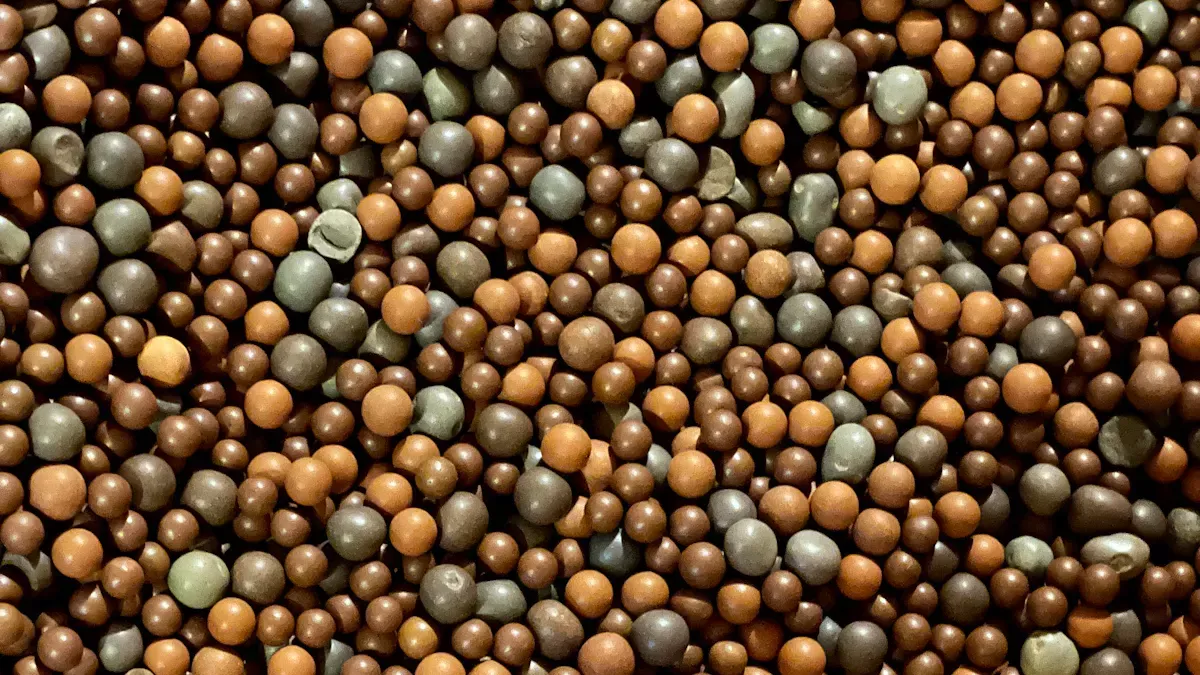
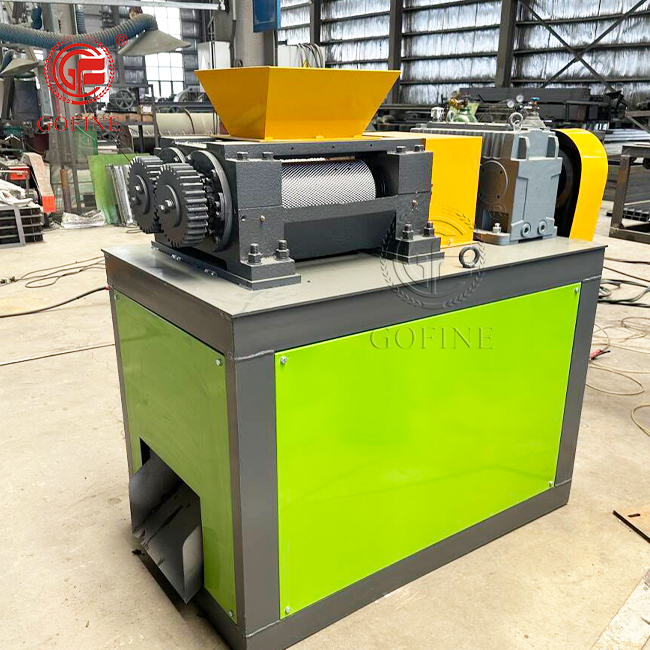
Dry granulation is a top trend in the npk granulator industry. The double roller press npk granulator uses dry granulation. It does not need water or heat. This method saves energy and lowers costs. Dry granulation gives a high granulation rate. It makes pellets that are uniform. These pellets meet strict needs in the fertilizer market. Dry granulation helps companies reach their production goals. It also supports the circular economy.
Automation and AI Control
Automation and AI control are changing factories. These systems help workers control machines easily. AI checks the process and makes changes fast. This trend boosts productivity. It makes the npk fertilizers market more efficient. Automation helps companies keep up with higher demand.
Digital Monitoring and Traceability
Digital monitoring lets companies watch npk production steps. Sensors and software track the process and collect data. Traceability means companies can follow each batch. This trend helps with quality control. It also meets rules in the npk fertilizers market. Digital tools help with market analysis. They help companies plan for the future.
Precision Formulation
Precision is a key trend in the npk granulator field. Factories can make high tower granulation npk fertilizer with exact nutrients. Precision helps meet the need for special fertilizers. It lets companies make products for different crops and soils. Precision supports food security. It helps the fertilizer market grow.
Energy Efficiency
Energy efficiency is important for the fertilizer market. New npk granulator machines use less power. The double roller press npk granulator saves energy with dry granulation. This trend lowers costs and helps the environment. Energy efficiency supports sustainable production. It meets the forecast for a cleaner future.
Circular Raw Materials
Circular raw materials are being used more. Companies use recycled or renewable inputs for high tower granulation npk fertilizer. This trend supports the circular economy. It reduces waste. Circular raw materials help the npk fertilizers market become more sustainable. They also meet the need for eco-friendly products.
Flexible Feedstock Handling
Flexible feedstock handling lets factories use many raw materials. This trend helps companies adapt to supply and demand changes. Flexible systems can process different inputs for high tower granulation npk fertilizer. This ability supports the circular economy. It helps companies stay strong in the fertilizer market.
Integrated Finishing Systems
Integrated finishing systems combine drying, coating, and packaging. This trend protects the quality of high tower granulation npk fertilizer. It reduces losses and boosts productivity. Integrated systems help companies meet the forecast for higher output.
Note: These key trends show the fertilizer market is moving toward precision, sustainability, and efficiency. Companies that follow these trends will lead market analysis. They will meet the needs of a growing world.
Dry Granulation and NPK Granulator Performance
What is Dry Granulation?
Dry granulation makes solid fertilizer pellets. It does not use water or heat. Factories use npk granulators to press materials together. This works best with npk materials that are not wet. Dry granulation keeps the factory clean. It stops pellets from sticking or clumping. Many companies pick dry granulation because it saves space and time.
Impact on Granule Quality
Dry granulation makes pellets that are all the same size. These pellets break down slowly in the soil. Farmers get steady nutrients from npk fertilizers. Uniform pellets help crops grow well. The process makes less dust and small bits. This makes storage and handling easier. Companies see that dry granulation improves quality and trust.
Cost and Energy Savings
Factories spend less money with dry granulation. They do not need dryers or extra water. The npk granulator uses less power than wet systems. This lowers costs for making fertilizer. Saving energy also helps the planet. Companies pay less for fixing machines. Dry granulation helps factories work better.
Tip: Dry granulation helps make fertilizer in a green way. It uses less energy and makes less waste.
2026 Outlook for NPK Granulators
In 2026, dry granulation will be very popular. More factories will use npk granulators to make lots of fertilizer. Companies will want to save energy and help the planet. The need for uniform pellets will rise. Factories will get new machines that work better. Dry granulation will help the npk industry feed the world.
Benefit | Dry Granulation | Wet Granulation |
Energy Use | Low | High |
Pellet Uniformity | High | Medium |
Environmental Impact | Low | High |
Automation Trends in NPK Fertilizers Market
AI-Based Process Control
Factories use AI to run npk granulator machines. AI checks each step in the npk fertilizers market. It looks at temperature, speed, and pressure. AI can change settings fast. This helps workers make better fertilizer. AI spots problems before they happen. It keeps the npk process safe and smooth.
Production Efficiency Gains
Automation makes production faster in the npk fertilizers market. Machines work quickly and never get tired. Workers can do other jobs. Sensors watch each batch of npk. Robots move materials and pack fertilizers. Companies get more output with less waste. They save money and time. Automation helps factories follow market trends 2026.
Why Automation Matters
Automation matters because it makes npk production easier. Factories make more fertilizer with fewer mistakes. Quality gets better because machines follow exact steps. Automation lowers costs and helps companies stay strong. It supports the npk granulator process. Factories can meet the needs of the npk fertilizers market.
Tip: Automation helps factories keep up with market trends 2026. It makes production safer and faster.
Market Trends 2026
Market trends 2026 show more factories will use automation. Companies want to make npk faster and better. They use smart machines and AI to lead the npk fertilizers market. Automation helps factories meet new rules and standards. It supports the need for more fertilizer. Factories that use automation will grow in the npk industry.
Automation Benefit | Impact on NPK Production |
Faster Output | High |
Better Quality | High |
Lower Costs | Medium |
Safer Workplaces | High |
Factories that follow market trends 2026 will see big gains. Automation will shape the future of npk production.
Digital Monitoring and Traceability Trends
Real-Time Data Integration
Factories use sensors and smart devices to get data all the time. These tools send details about temperature, pressure, and speed to computers. Operators look at this data on screens right away. They can see problems early and fix them fast. This keeps npk production safe and steady.
Quality Control Improvements
Digital monitoring helps factories check quality in fertilizer plants. Machines look at each batch for size, shape, and weight. If a pellet is not right, the system tells workers quickly. This cuts down waste and keeps products the same. Farmers trust fertilizers that pass tough checks. Companies get a good name by using these systems.
Note: Digital tools help factories find and fix problems before they get big.
Traceability for Compliance
Traceability lets factories track each batch from start to finish. They record where materials come from and how workers process them. If something goes wrong, managers can find the cause fast. This helps companies follow safety rules and meet government standards. Traceability also makes recalling products easier if needed.
Trends in 2026
In 2026, more factories will use digital monitoring and traceability. Companies will buy smart sensors and software. They will want to show customers their npk fertilizers are safe and high quality. Digital records will help factories follow new laws and export rules. The market will reward companies that use these trends to build trust and do better.
Benefit | Impact Level |
Faster Problem Solving | High |
Better Quality | High |
Easier Compliance | High |
Precision Formulation and Specialty Granules
Uniformity and Customization
Factories use new machines to make fertilizer pellets. These pellets all look the same and work the same way. The machines press the materials together very hard. Each pellet gets the right nutrients inside. This helps farmers because crops get steady food. The pellets do not break apart easily. They move well in machines and bags. Customization is important too. Companies can change the recipe for different crops or soils. Some plants need more nitrogen. Others need more potassium or phosphorus. Precision formulation lets factories change recipes fast. This helps meet many farming needs.
Meeting NPK Fertilizers Market Demand
More farmers want npk fertilizers every year. They want products that work well for their fields. Factories must make enough fertilizer to keep up. Precision formulation helps companies meet this need. They can make big batches with the same quality each time. Machines check every step to make sure pellets are right. This careful work builds trust with customers. Farmers know they get what they pay for. Companies using precision can react fast to market changes. If a new crop is popular, they can change their products.
Tip: Precision in npk fertilizer production means fewer mistakes and less waste.
Specialty Product Trends
Specialty granules are getting more popular now. These products have extra features for farmers. Some granules give nutrients slowly over time. Others have coatings to protect them from water. Factories can add micronutrients or good bacteria to pellets. These changes help crops grow better and use fertilizer well. Specialty products also help the environment. They lower runoff and pollution. In 2026, more companies will offer these advanced choices. Farmers will have more options for their fields.
Specialty Feature | Benefit for Farmers |
Slow-release coating | Steady nutrient supply |
Micronutrient blend | Healthier crops |
Moisture protection | Less waste |
Energy-Efficient NPK Granulator Systems
Reducing Energy Use
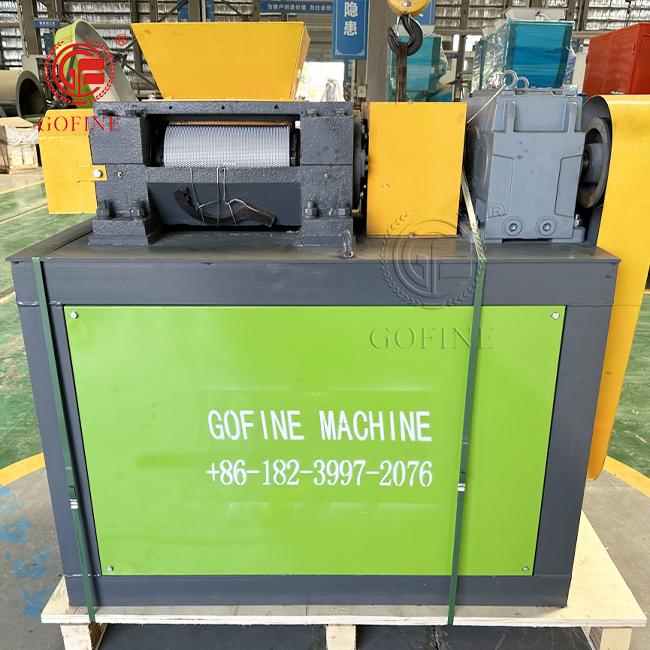
Factories want to use less energy to make NPK fertilizer. New granulator machines help them do this. The double roller press NPK granulator uses a dry process. It does not need water or heat. Workers make fertilizer pellets with less electricity. The machine presses materials together with strong rollers. This saves power and lowers bills. Many companies pick these machines to cut costs and help the planet.
Tip: Using less energy helps machines last longer and need fewer repairs.
Low-Emission Operations
Low-emission operations are important for modern fertilizer plants. The dry granulation process does not make steam or extra gases. This keeps air cleaner inside and outside the factory. The double roller press NPK granulator has a closed system. This stops dust and waste from getting out. Workers stay safer, and the community gets cleaner air.
Sustainability Impact
Energy-efficient NPK granulator systems help with sustainability. They help factories follow strict environmental rules. Using less energy means fewer greenhouse gases. The closed process also cuts down on waste. Companies can show they care about the environment. This builds trust with customers and partners. Sustainable production helps protect resources for the future.
Benefit | Impact Level |
Lower Energy Bills | High |
Less Air Pollution | High |
Better Worker Safety | Medium |
Supports Regulations | High |
Key Trends for 2026
In 2026, more factories will use energy-efficient NPK granulators. Companies want to lower costs and meet environmental standards. Machines like the double roller press NPK granulator will lead the way. These trends will change how fertilizer is made everywhere. Energy efficiency will stay important for business and the planet.
Circular Raw Materials and Flexible Feedstock
Sustainable Sourcing
Factories care about where their materials come from. They pick materials that can be replaced or reused. Many companies use recycled things to make NPK fertilizers. This helps the circular economy work better. It cuts down on waste and saves nature. Workers choose raw materials that are safe for the environment. They stay away from dangerous chemicals and pick safer ones. Sustainable sourcing helps factories follow world rules. It also makes customers trust them if they want eco-friendly products.
Factories that use sustainable sourcing help keep the planet safe and help people in the future.
Adaptability in Production
Flexible feedstock handling gives factories more choices. Workers can change raw materials when supplies change. This keeps production going even if some materials run out. Machines like the double roller press NPK granulator can use many kinds of inputs. They work with chemical raw materials, feed, and pharmaceuticals. Flexible systems help factories react fast to market changes. They also help the circular economy by using recycled or renewable materials.
Factories get:
Less time stopped
More product options
Better use of resources
Trends in NPK Granulator Technology
NPK granulator technology keeps getting better. Many factories buy machines that use circular raw materials. These machines use dry granulation for materials with little water. They make pellets that look the same and use less energy. The trend for flexible feedstock handling is growing. Factories want machines that can use new materials and fit market needs. Companies also want systems with closed processes. These systems stop waste and follow world environmental rules.
Trend | Benefit |
Circular raw materials | Less waste, eco-friendly |
Flexible feedstock | Steady production |
Closed process | Zero discharge |
The future of fertilizer production depends on circular practices and flexible machines.
Integrated Drying, Coating, and Packaging
End-to-End Process Control
Factories use integrated systems to control each step. Machines and computers work together. Operators watch everything on one screen. They see when drying starts and ends. They see when pellets get coated. They see when bags fill up. This helps workers find problems fast. They fix issues before waste happens. End-to-end control makes sure every batch is good.
Note: End-to-end process control helps factories make smart choices and keep production steady.
Protecting Granule Quality
Granule quality is important for farmers and nature. Integrated systems protect pellets at every step. Dryers take out just enough water so pellets stay strong. Coating machines put layers on to stop dust and keep nutrients inside. Packaging machines seal bags tight to keep air and water out. These steps help pellets stay safe and the same.
Drying keeps pellets strong.
Coating keeps nutrients inside.
Packaging keeps pellets safe during shipping.
Here is a table showing how each step helps:
Step | Main Benefit |
Drying | Stronger pellets |
Coating | Less nutrient loss |
Packaging | Longer shelf life |
Throughput and Loss Reduction
Integrated systems help factories make more fertilizer faster. Machines work together without stopping for long. Workers do not move pellets by hand. This lowers spills and damage. Less waste means more product goes to the market. Factories save money and use resources well.
Tip: High throughput and low loss help companies meet demand and spend less.
Comparing Key Trends in NPK Granulator Technology
Production Impact
Dry granulation is very important for making more fertilizer. This method helps factories make lots of pellets quickly. Machines like the double roller press NPK granulator work fast. Automation keeps the machines working without stopping. Digital monitoring lets workers find problems early. Precision formulation makes sure every batch is just right. These trends help factories keep up with more people needing fertilizer.
Cost Relevance
Cost is a big deal for everyone making fertilizer. Dry granulation saves money because it does not need water or heat. Energy-efficient machines use less electricity and lower bills. Automation means machines do more, so factories need fewer workers. Flexible feedstock handling lets factories use cheaper or recycled stuff. Integrated finishing systems help save money by making less waste. Companies that use these ideas can stay ahead of others.
Sustainability Value
Factories need to care for the environment when making fertilizer. Dry granulation uses less energy and makes less waste. Energy-efficient machines help lower greenhouse gases. Circular raw materials use recycled things and help the planet. Closed systems stop dust and pollution from getting out. These trends help companies follow rules and gain trust from buyers. Making fertilizer in a green way is now very important for many companies.
Adoption Outlook
Many factories want to use these new ideas by 2026. Dry granulation and energy efficiency are popular because they work fast. Automation and digital tools are now common in new factories. Flexible feedstock handling and integrated finishing systems are also being used more. Companies want to make more, spend less, and help the environment. The npk fertilizers market will have better machines and smarter ways to work soon.
Tip: Factories that use these new ideas will be leaders and help the planet.
Action Steps for Fertilizer Producers in 2026
Upgrade to Advanced NPK Granulators
Fertilizer producers should find new machines that work better. The npk granulator is a smart machine for factories. It helps make more pellets and uses less energy. This machine also keeps the workspace clean and safe. Producers who get new equipment can meet more demand. They can also follow new rules.
Tip: Buying better technology helps companies stay strong in the market.
Improve Granule Uniformity
Uniform pellets help farmers grow better crops. Producers should check machines often to keep pellets the same. They can use sensors and cameras to watch the process. Good uniformity means less waste and happier buyers. Meeting tough standards helps companies sell more fertilizer.
Reduce Energy Consumption
Factories can save money by using less power. They should choose machines that use dry processes and little heat. Workers can turn off machines when not needed. Saving energy helps the earth and lowers bills. Producers who use less energy can make cheaper fertilizer. They can also meet the need for green products.
Step | Benefit |
Use dry processes | Lower energy use |
Turn off machines | Save electricity |
Check for leaks | Stop waste |
Build Flexible Production Lines
Flexible lines help factories change fast when needed. Producers can use machines that work with many materials. This lets them make different fertilizers for many crops. Flexible systems help when supplies change too. Companies with flexible lines can meet new needs and keep customers happy.
Note: Being flexible helps companies grow and handle changes in the fertilizer market.
NPK granulator technology trends in 2026 are about dry granulation, automation, energy efficiency, and sustainability. These new ideas help factories make more fertilizer and better pellets. Companies can follow tough environmental rules and make less waste. Producers should get machines that save energy, use automation, and pick systems that help the environment. Doing these things helps factories stay strong and give customers what they want.
Get granulators that use less energy
Use automation to control machines better
Pick systems that follow environmental rules
FAQ
What is the main benefit of dry granulation in NPK fertilizer production?
Dry granulation helps factories save energy and money. It does not use water or heat. This method makes pellets that are strong and all the same size. Factories can make fertilizer faster and keep things clean.
How does automation help NPK fertilizer factories?
Automation lets machines do lots of jobs. Workers can spend more time on safety and quality. Sensors and computers watch every step. This means fewer mistakes and more fertilizer gets made.
Why do factories use circular raw materials?
Factories use circular raw materials to make less waste. They recycle or reuse things to help the environment. This shows customers they care about nature. People trust companies that protect the planet.
What makes the double roller press NPK granulator special?
The double roller press NPK granulator uses dry granulation. It works with materials that do not have much water. It makes lots of pellets and saves energy. The machine is small and fits in tight spaces.