Applying fertilizer at the wrong time is a costly mistake. It wastes your money and ruins your application equipment. Worse, it actively damages your turf and disrupts local ecosystems. Natural rainfall often acts as a free irrigation system. It helps water-in essential nutrients perfectly. However, the line between ideal soil moisture and catastrophic runoff is very thin. You must navigate this weather dynamic carefully.
This guide breaks down the physical mechanics of fertilizing in wet conditions. We provide a clear framework for timing your applications. We also explore how manufacturing quality impacts weather resistance. You will learn to evaluate soil topography, understand plant ion absorption, and pivot to liquid alternatives when necessary. Armed with these insights, you can make informed decisions. You will protect your ROI while maintaining a thriving, healthy landscape.
Key Takeaways
The Wet Foliage Rule: Never apply granular products to wet grass; moisture triggers premature salt release, causing granules to stick to leaves and inflict severe "tip burn."
Rainfall Classifications: Light, steady rain (approx. 1/4 inch) is ideal for dissolving granules, whereas heavy downpours cause nutrient leaching and environmental runoff.
The Post-Storm Protocol: If unexpected heavy rain occurs immediately after application, do not reapply. Wait 1-2 weeks to observe plant response and account for ion charge absorption in the soil.
Manufacturing Matters: A granule’s ability to withstand humidity and light rain without crumbling depends heavily on the extrusion and coating technology used during production.
The Physics of Granular Fertilizer in Wet Conditions
Understanding how physical pellets interact with water is your first step. It helps you prevent severe landscape damage. Moisture acts as the primary catalyst for nutrient release. You must control when and where this release happens.
The Mechanism of "Tip Burn"
Most commercial turf nutrients contain high levels of mineral salts. These pellets rely on soil moisture to break down safely. When you apply them during or immediately after rain, the mechanics change. The pellets adhere directly to wet foliage. The surface water activates the salts prematurely. This localized chemical reaction burns the plant tissue before nutrients ever reach the root zone. Professionals call this "tip burn." It leaves grass blades scarred with ugly brown or yellow spots. You essentially poison the plant you intended to feed.
Equipment Failure Risks
Fertilizer dust is highly hygroscopic. It actively absorbs moisture from the surrounding air. Exposing your broadcast or drop spreader to rain causes this dust to clump instantly. These wet clumps lead to jammed spreader mechanisms. You will experience uneven application rates. Your spreader will dump heavy piles in some areas while starving others. Furthermore, wet fertilizer accelerates the corrosion of metal components. Rust will rapidly destroy your expensive application gear.
Soil Compaction Hazards
Walking extensively on muddy, rain-soaked soil damages the physical structure of your yard. Operating heavy spreaders compounds this problem. The weight compresses the wet soil matrix. It destroys vital air pockets within the earth. We call this soil compaction. Compacted soil suffocates roots and prevents future water drainage. It completely negates the benefits of your application.
The Decision Framework: Light Rain vs. Heavy Downpours
You cannot treat all rain equally. You must differentiate between a beneficial drizzle and a destructive storm. Making the right call protects both your wallet and the environment.
The "Green Light" Scenario (Light Rain)
A forecasted light, steady rain presents an optimal application window. You should apply your product to dry foliage before the rain begins. The dry blades allow the pellets to fall directly to the soil surface. Manufacturers typically require 1/4 to 1/2 inch of water within 48 hours. This volume properly washes the product into the root zone. It also creates a necessary vapor barrier for pre-emergents like Prodiamine. Light rain acts as nature's free sprinkler system.
The "Red Light" Scenario (Heavy Rain & Thunderstorms)
You must avoid application entirely if storms are forecasted. Heavy rain causes immediate surface runoff. The rushing water washes unincorporated granules away from your target area.
ESG & Compliance Warning: Environmental, Social, and Governance (ESG) standards matter deeply here. Nitrogen and phosphorus runoff severely impacts local water systems. These displaced nutrients feed massive algae blooms in lakes and rivers. The algae depletes aquatic oxygen, killing fish and destroying ecosystems. Commercial applicators face intense regulatory scrutiny and hefty fines for reckless runoff.
Temperature Constraints
You must ensure ambient temperatures remain within the 55–85°F window. Summer storms often bring high heat and intense humidity. Applying nutrients during warm, heavy downpours severely stresses the root system. Hot turf is already in a state of survival stress. Forcing a growth flush during these conditions weakens the plant.
Weather Condition | Foliage State | Action Required | Expected Outcome |
Upcoming Light Rain (1/4 inch) | 100% Dry | Apply Now | Optimal soil penetration; nutrients wash in safely. |
Active Light Rain | Wet | Do Not Apply | Granules stick to blades; severe tip burn occurs. |
Upcoming Heavy Storm | Dry | Do Not Apply | Severe runoff; environmental pollution; wasted product. |
Post-Storm | Wet / Muddy | Wait to Dry | Risk of soil compaction and equipment jamming. |
Evaluating Granule Quality and Structural Integrity
The resilience of your product against unpredictable weather heavily depends on its manufacturing process. Not all pellets survive humidity or light rain equally.
Why Breakdown Rates Vary
Cheaply produced pellets crumble almost instantly when exposed to high humidity. They flash-release their salts, increasing burn risks. Conversely, well-engineered pellets feature advanced polymer or sulfur coatings. These coatings provide a controlled release mechanism. They withstand atmospheric moisture far better.
The Role of Production Equipment
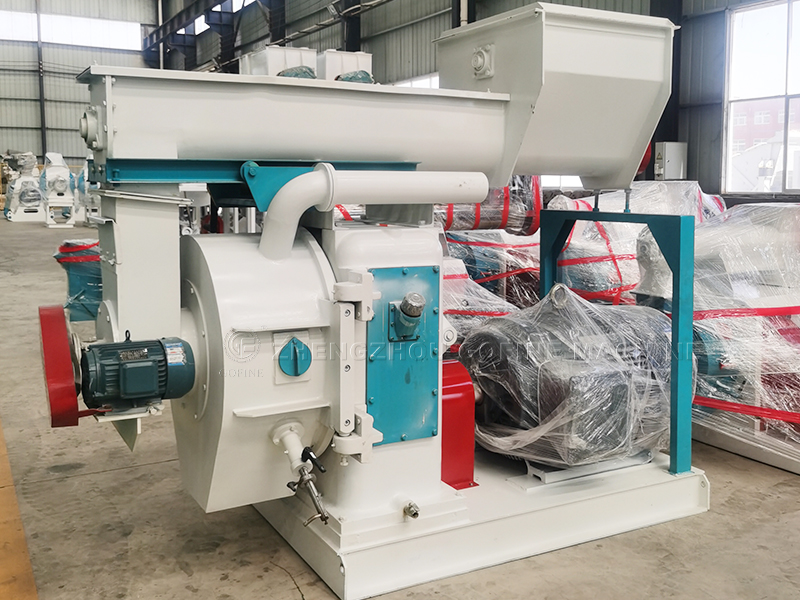
Commercial agriculture and large-scale landscaping operations look beyond the retail bag. They evaluate the manufacturing source. Producers relying on a top-tier fertilizer equipment supplier can guarantee uniform density. High-end extrusion machinery ensures polymer coatings bond perfectly. This resists immediate leaching when unexpected rain hits.
Synthetic vs. Organic Pellet Durability
Organic compost pellets behave entirely differently in the rain. High-quality organic options retain their structural integrity much longer in wet conditions. Facilities processed through a commercial Cow Dung Fertilizer Making Machine Supplier create incredibly dense, durable pellets. They slowly enrich the soil matrix over weeks. You avoid the immediate flash-burn risks associated with synthetic nitrogen entirely.
Consistency at Scale
For bulk producers, quality control is paramount. Utilizing an advanced Fertilizer Granulator Machine ensures precise formulation. The final product maintains exact N-P-K ratios in every single pellet. If rain washes the product into the soil, you still get even nutrient distribution. Inconsistent, dusty batches lead to patchy, erratic growth.
What to Do If You Get Caught in a Downpour
Weather forecasts are rarely perfect. Sometimes a rogue summer storm rolls in exactly three hours after you finish spreading. Panic usually sets in. You need a structured recovery plan.
The "Do Nothing" Mandate
Human instinct urges us to immediately reapply. We naturally assume the rain washed everything away. Doing so risks toxic over-application. You must follow the "Do Nothing" mandate. Wait at least 14 days. Observe the turf's color and growth response. If the grass greens up, your original application worked.
Ion Charge Absorption (The Battery Effect)
Not all nutrients wash away in a storm. Nutrients act like tiny magnets. Elements like potassium and magnesium carry positive electrical charges. They bind tightly to oppositely charged soil particles. We measure this via Cation Exchange Capacity (CEC). High-CEC soils grip nutrients aggressively. This battery effect makes them highly resistant to physical wash-out. Nitrogen may leach, but potassium usually stays put.
Topography & Soil Assessment
Your property's layout dictates the extent of storm damage. You must assess the ground physically.
Analyze the Slope: Steep hills experience rapid physical runoff. Flat yards generally capture the water, pushing nutrients downward.
Check Soil Composition: Flat, sandy loam absorbs water quickly. Heavy rain likely pushed the nutrients deeper into the root zone. This is a positive outcome.
Look for Pooling: Clay-heavy soils drain poorly. If you see deep puddles, those areas likely experienced high nutrient displacement.
Inspect the Runoff Zones: Check sidewalks, driveways, and street gutters. Sweep up any visible pellets to prevent sewer contamination.
Shortlisting Alternatives: When to Pivot to Liquids
Sometimes you cannot wait for the perfect weather window. Commercial applicators lose money when trucks sit idle. Having an alternative strategy keeps operations moving safely.
Liquid Fertilizers on Wet Turf
Liquids follow entirely different rules than solids. Unlike granular fertilizer, liquid products and bio-stimulants thrive on wet grass. Applying liquids to damp or dew-covered turf is highly beneficial. The existing moisture actually aids immediate foliar absorption. The wet leaf stomata easily pull the liquid nutrients inside.
Liquid Wetting Agents
In heavy rain scenarios, you can pivot to soil penetrants. Applying a liquid wetting agent just before a storm is highly effective. The heavy rain drives the agent deep into hydrophobic soil layers. It breaks surface tension. This improves your yard's overall water retention for the rest of the season.
ROI / TCO Considerations
You must balance the Total Cost of Ownership (TCO). Solids remain cheaper per square foot. They offer better slow-release longevity for long-term feeding. However, maintaining a reserve of liquid products protects your schedule. It allows you to stay productive during wet-weather delays. You never risk wasting expensive pellets or burning client lawns.
Feature | Granular Products | Liquid Products |
Application on Wet Grass | High Risk (Causes Tip Burn) | Low Risk (Aids Absorption) |
Heavy Rain Durability | Low (High Runoff Risk) | Moderate (Absorbs Quickly) |
Spreader Interaction | Clumps & Jams when Wet | N/A (Uses Spray Rigs) |
Cost Efficiency | Highly Economical per Sq. Ft. | Higher Upfront Material Cost |
Conclusion
Applying nutrients in the rain remains a high-risk proposition that rarely yields optimal results. Timing an application just before a light rain stands as a trusted industry best practice. However, active rainfall or wet foliage introduces severe risks. You face chemical burning, ruined equipment, and dangerous environmental runoff.
You must respect the physical limitations of your materials. Ensure you source properly manufactured pellets from reliable suppliers. Observe the strict 14-day waiting period after unexpected storms. By prioritizing these steps, you maximize nutrient uptake and protect your investment. You will avoid costly misapplications and cultivate a healthier, greener landscape.
FAQ
Q: Did heavy rain wash my granular fertilizer away?
A: It depends on your topography and soil type. While some nitrogen and phosphorus may leach on sloped terrain, nutrients bind to soil particles via ion charges. Wait two weeks before considering reapplication.
Q: Can I apply pre-emergents before it rains?
A: Yes. Granular pre-emergents actually require about 1/2 inch of water shortly after application to break down and form a protective weed barrier in the soil.
Q: How long should I wait to fertilize after a rainstorm?
A: You must wait until the grass blades are 100% dry to the touch. Applying granules to wet blades will cause the fertilizer to stick and burn the plant tissue.
Q: Does rain ruin the fertilizer inside my spreader?
A: Yes. Rain causes granular fertilizer to absorb moisture and clump. This will jam your spreader, cause uneven application, and accelerate rust on the equipment's moving parts.


