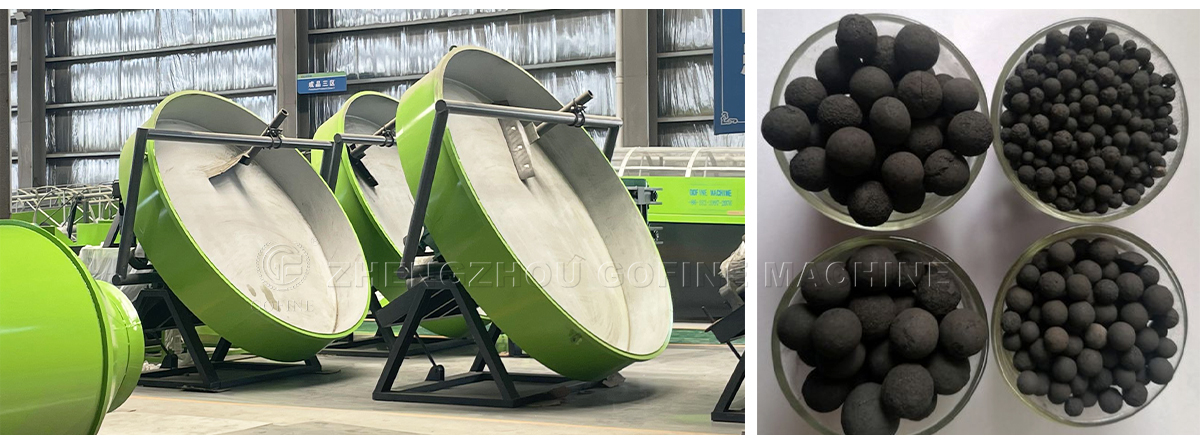
The demand for fertilizer granules making machines has been on a significant rise, driven by various key factors that are shaping the agricultural landscape globally. As the world grapples with the challenges of feeding a growing population, the efficiency and effectiveness of fertilizer application have become paramount. This has led to increased interest in technologies that enhance the production and application of fertilizers, particularly granules. For those interested in the latest advancements in this field, the China Fertilizer Granules Making Machine is a noteworthy development. This article delves into the factors driving this demand, exploring the roles of technology, market dynamics, and environmental considerations.
Technological Advancements in Fertilizer Granulation
Technological innovation has been a cornerstone in the evolution of fertilizer granules making machines. Modern machines are equipped with advanced features that enhance efficiency, reduce waste, and improve the quality of the granules produced. These machines utilize cutting-edge technologies such as precision engineering and automation, which allow for the production of uniform and high-quality granules. The integration of IoT (Internet of Things) technology in these machines has also enabled real-time monitoring and control, ensuring optimal performance and minimal downtime.
Moreover, the development of energy-efficient machines has been a significant focus for Chemical Fertilizer Machine Manufacturers. These innovations not only reduce operational costs but also align with global efforts to minimize the carbon footprint of industrial processes. As a result, manufacturers are increasingly investing in research and development to create machines that are both economically and environmentally sustainable.
Precision Engineering and Automation
Precision engineering has revolutionized the way fertilizer granules are produced. By utilizing precise control over the granulation process, manufacturers can ensure that each granule meets specific size and nutrient composition requirements. Automation further enhances this precision by reducing human error and increasing production speed. Automated systems can adjust parameters in real-time, responding to changes in raw material quality or environmental conditions. This adaptability is crucial for maintaining consistency in product quality, which is a key factor in meeting the stringent standards of modern agriculture.
The Role of IoT in Fertilizer Production
The incorporation of IoT technology into fertilizer granules making machines represents a significant leap forward in production capabilities. IoT devices can collect and analyze data from various stages of the production process, providing insights that can be used to optimize operations. For instance, sensors can monitor temperature, humidity, and other environmental factors that affect granulation. This data is then used to adjust machine settings automatically, ensuring optimal conditions for granule formation. Additionally, IoT-enabled machines can predict maintenance needs, reducing downtime and extending the lifespan of the equipment.
Market Dynamics and Economic Factors
The global market for fertilizer granules making machines is influenced by a complex interplay of economic factors. One of the primary drivers is the increasing demand for food, which necessitates higher agricultural productivity. As populations grow, particularly in developing regions, the need for efficient fertilizer application becomes more pressing. This has led to a surge in demand for advanced granulation equipment that can produce high-quality fertilizers quickly and cost-effectively.
Economic factors such as fluctuating raw material prices and trade policies also play a significant role. Manufacturers must navigate these challenges while maintaining competitive pricing. Innovations in machine design and production processes can help mitigate some of these economic pressures by improving efficiency and reducing material waste. Additionally, government incentives and subsidies for sustainable agricultural practices can further boost the adoption of advanced granulation technologies.
Impact of Global Food Demand
The global demand for food is a critical factor driving the need for efficient fertilizer granulation. As the world population continues to grow, the pressure on agricultural systems to produce more food with limited resources intensifies. Fertilizer granules making machines play a vital role in this context by enabling the production of fertilizers that enhance crop yields and improve soil health. The ability to produce tailored nutrient formulations ensures that crops receive the specific nutrients they need, leading to more efficient use of fertilizers and better agricultural outcomes.
Navigating Economic Challenges
Economic challenges such as fluctuating commodity prices and trade barriers can impact the fertilizer industry. Manufacturers must be agile in their operations, adapting to changes in the market environment. This includes investing in technologies that reduce dependency on volatile raw materials and exploring alternative sources of nutrients. By leveraging advanced granulation technologies, manufacturers can create products that are not only cost-effective but also resilient to economic fluctuations. Additionally, strategic partnerships and collaborations can help companies navigate complex trade landscapes and expand their market reach.
Environmental Considerations and Sustainability
Sustainability is a critical consideration in the design and operation of fertilizer granules making machines. As environmental concerns become more prominent, manufacturers are under increasing pressure to develop technologies that minimize the ecological impact of fertilizer production. This includes reducing energy consumption, minimizing waste, and ensuring that the fertilizers produced are environmentally friendly.
One approach to achieving sustainability is through the use of renewable energy sources in the production process. Solar and wind energy can power granulation facilities, reducing reliance on fossil fuels and lowering carbon emissions. Additionally, the development of biodegradable and slow-release fertilizers can help mitigate the environmental impact of fertilizer use, reducing runoff and improving soil health.
Reducing Environmental Impact
Reducing the environmental impact of fertilizer production is a priority for manufacturers. This involves implementing practices that minimize waste and emissions throughout the production process. For example, closed-loop systems can capture and recycle emissions, preventing them from entering the atmosphere. Additionally, advancements in granulation technology have led to the development of more efficient machines that require less energy and produce fewer byproducts.
The use of environmentally friendly raw materials is another important consideration. Manufacturers are exploring alternative sources of nutrients, such as organic waste and bio-based materials, to create fertilizers that are both effective and sustainable. These efforts align with global initiatives to promote sustainable agriculture and reduce the environmental footprint of food production.
Innovations in Sustainable Fertilizers
Innovations in sustainable fertilizers are transforming the industry. Biodegradable fertilizers, for instance, break down naturally in the soil, reducing the risk of pollution and improving soil health. Slow-release fertilizers are another advancement, providing a steady supply of nutrients to plants over time, which enhances nutrient uptake and reduces the need for frequent applications.
These innovations not only benefit the environment but also offer economic advantages. By improving the efficiency of nutrient delivery, farmers can achieve better yields with less fertilizer, reducing costs and increasing profitability. As a result, there is a growing demand for machines that can produce these advanced fertilizers, driving further innovation in the field.
Conclusion
The demand for fertilizer granules making machines is driven by a combination of technological advancements, market dynamics, and environmental considerations. As the world faces the challenge of feeding a growing population, the need for efficient and sustainable fertilizer production becomes increasingly important. Manufacturers are responding to this demand by developing innovative machines that enhance the quality and efficiency of fertilizer production while minimizing environmental impact. For those interested in exploring these advancements further, the China Fertilizer Granules Making Machine offers a glimpse into the future of this critical industry.
FAQs
1. What are the key factors driving the demand for fertilizer granules making machines?
The demand is driven by technological advancements, increasing global food demand, economic factors, and environmental considerations.
2. How does precision engineering enhance fertilizer granulation?
Precision engineering ensures uniform granule size and nutrient composition, improving product quality and consistency.
3. What role does IoT play in fertilizer production?
IoT enables real-time monitoring and control, optimizing production processes and reducing downtime.
4. How do economic factors influence the fertilizer granulation market?
Fluctuating raw material prices and trade policies impact production costs and market dynamics.
5. What are some sustainable practices in fertilizer production?
Using renewable energy, biodegradable materials, and slow-release formulations are key sustainable practices.
6. How do sustainable fertilizers benefit farmers?
They improve nutrient delivery efficiency, reduce costs, and enhance crop yields.
7. Why is there a focus on reducing the environmental impact of fertilizer production?
To align with global sustainability goals and reduce the ecological footprint of agriculture.


