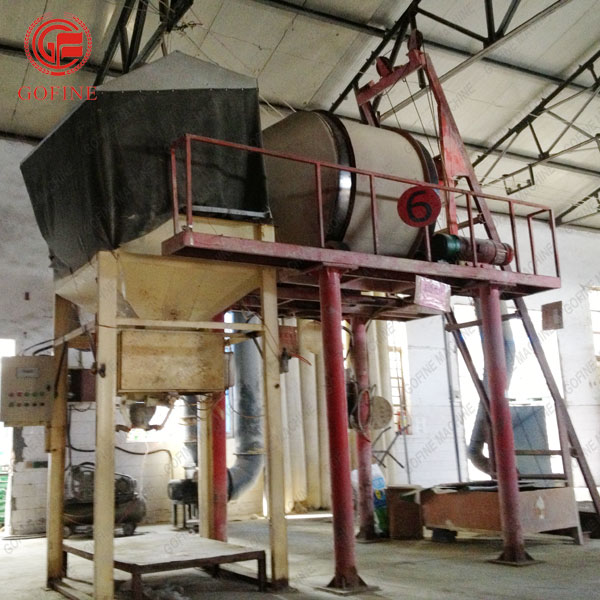
In the realm of agriculture, the application of fertilizers is a crucial practice that significantly influences crop yield and quality. The methods of fertilizer application, namely broadcast, band, and side-dress, each have distinct advantages and disadvantages. Understanding these methods is essential for optimizing nutrient uptake and minimizing environmental impact. This article delves into the intricacies of each method, providing a comprehensive analysis to aid in selecting the most suitable approach for specific agricultural needs. For those interested in enhancing their fertilizer application techniques, the Auxiliary Fertilizer Machine offers innovative solutions.
Broadcast Application Method
Broadcast application involves spreading fertilizer evenly across the soil surface. This method is often employed for pre-planting fertilization, ensuring that nutrients are available throughout the soil profile. The primary advantage of broadcast application is its ability to cover large areas quickly, making it suitable for extensive fields. However, this method can lead to nutrient losses through volatilization and runoff, particularly with nitrogen fertilizers.
Research indicates that broadcast application can be less efficient in terms of nutrient use efficiency (NUE) compared to other methods. A study conducted by the University of Nebraska-Lincoln found that broadcast application resulted in lower NUE, particularly for phosphorus, due to its tendency to bind with soil particles. This binding reduces the availability of phosphorus to plants, necessitating higher application rates to achieve desired nutrient levels.
Despite these challenges, broadcast application remains popular due to its simplicity and cost-effectiveness. It is particularly beneficial for crops with extensive root systems, such as wheat and barley, which can access nutrients distributed throughout the soil. Additionally, advancements in precision agriculture technologies, such as GPS-guided spreaders, have improved the accuracy of broadcast applications, reducing nutrient losses and environmental impact.
Band Application Method
Band application involves placing fertilizer in concentrated bands either on the soil surface or below it. This method is typically used during planting, allowing for precise placement of nutrients near the seed or root zone. The proximity of fertilizer to the plant roots enhances nutrient uptake efficiency, making band application particularly effective for phosphorus and potassium.
Studies have shown that band application can significantly improve NUE. Research by Iowa State University demonstrated that banding phosphorus fertilizers increased corn yield by up to 15% compared to broadcast application. The concentrated placement of nutrients reduces the potential for nutrient fixation in the soil, ensuring greater availability to plants.
However, band application requires precise equipment and can be more labor-intensive than broadcast methods. The use of Auxiliary Fertilizer Machine can aid in the accurate placement of fertilizers, enhancing the efficiency of band applications. This method is particularly advantageous for row crops, such as corn and soybeans, where precise nutrient placement can lead to significant yield improvements.
Side-Dress Application Method
Side-dress application involves applying fertilizer alongside growing plants, typically during the growing season. This method allows for the adjustment of nutrient applications based on crop needs and environmental conditions, making it a flexible and responsive approach to fertilization.
One of the primary benefits of side-dress application is its ability to supply nutrients when plants need them most. This timing can enhance NUE and reduce nutrient losses. For example, side-dressing nitrogen fertilizers during the critical growth stages of corn can increase yield by ensuring adequate nitrogen availability when demand is highest.
Research conducted by Purdue University highlights the advantages of side-dress applications in improving nitrogen use efficiency. The study found that side-dressing nitrogen reduced nitrate leaching by 30% compared to pre-plant applications, demonstrating its potential to minimize environmental impact.
While side-dress application offers numerous benefits, it requires careful timing and equipment capable of navigating between rows without damaging crops. The use of advanced machinery, such as the Auxiliary Fertilizer Machine, can facilitate precise side-dress applications, ensuring optimal nutrient delivery.
Comparative Analysis of Application Methods
Choosing the right fertilizer application method depends on various factors, including crop type, soil conditions, and environmental considerations. Each method has its strengths and weaknesses, and understanding these can aid in making informed decisions.
Broadcast application is ideal for large-scale operations where speed and cost are priorities. However, it may not be the most efficient in terms of nutrient use, particularly for phosphorus. Band application offers improved NUE by placing nutrients close to the root zone, but it requires precise equipment and can be labor-intensive. Side-dress application provides flexibility and responsiveness, allowing for nutrient adjustments during the growing season, but it necessitates careful timing and specialized machinery.
A comparative study by the University of Illinois evaluated the effectiveness of these methods on corn yield. The results indicated that side-dress application produced the highest yield, followed by band and broadcast applications. This outcome underscores the importance of timing and precision in fertilizer application.
Conclusion
In conclusion, the choice of fertilizer application method plays a critical role in agricultural productivity and environmental sustainability. While broadcast, band, and side-dress methods each have their advantages, the decision should be based on specific crop needs, soil conditions, and resource availability. The integration of advanced technologies, such as the Auxiliary Fertilizer Machine, can enhance the efficiency and effectiveness of these methods, contributing to sustainable agricultural practices.
FAQs
1. What is the primary advantage of broadcast application?
Broadcast application is advantageous for covering large areas quickly, making it suitable for extensive fields. It is cost-effective and simple, especially for crops with extensive root systems.
2. How does band application improve nutrient use efficiency?
Band application improves nutrient use efficiency by placing fertilizers in concentrated bands near the seed or root zone, enhancing nutrient uptake and reducing potential fixation in the soil.
3. Why is side-dress application considered flexible?
Side-dress application is flexible because it allows for nutrient adjustments during the growing season based on crop needs and environmental conditions, ensuring optimal nutrient delivery.
4. What are the environmental benefits of side-dress application?
Side-dress application can reduce nitrate leaching and other nutrient losses, minimizing environmental impact by supplying nutrients when plants need them most.
5. Which method is most effective for phosphorus application?
Band application is most effective for phosphorus as it places the nutrient close to the root zone, reducing fixation and enhancing availability to plants.
6. How can precision agriculture technologies enhance broadcast application?
Precision agriculture technologies, such as GPS-guided spreaders, can improve the accuracy of broadcast applications, reducing nutrient losses and environmental impact.
7. What role does the Auxiliary Fertilizer Machine play in fertilizer application?
The Auxiliary Fertilizer Machine aids in the accurate placement of fertilizers, enhancing the efficiency of band and side-dress applications, and contributing to sustainable agricultural practices.


