The production of fertilizers is a critical component in modern agriculture, significantly impacting crop yields and food security worldwide. The process of fertilizer production has evolved over the years, incorporating advanced technologies and methodologies to enhance efficiency and sustainability. In this article, we will delve into the intricacies of fertilizer production, exploring various methods, equipment, and the role of technology in optimizing the process. For those interested in the specifics of different fertilizer production lines, such as the compound NPK granules fertilizer production line, this article provides a comprehensive overview.
Fertilizer Production Methods
Chemical Fertilizer Production
Chemical fertilizers are produced through a series of industrial processes that involve the synthesis of nutrients such as nitrogen, phosphorus, and potassium. The Haber-Bosch process, for instance, is pivotal in the production of ammonia, a key ingredient in nitrogen-based fertilizers. This method involves the reaction of nitrogen and hydrogen gases under high pressure and temperature in the presence of a catalyst. The resulting ammonia can then be used to produce various nitrogen fertilizers, such as urea and ammonium nitrate.
Organic Fertilizer Production
Organic fertilizers are derived from natural sources, including animal manure, compost, and plant residues. The production process involves the decomposition of organic matter through microbial activity, which breaks down complex organic compounds into simpler forms that plants can readily absorb. This method not only recycles waste materials but also enhances soil health by improving its structure and microbial diversity. For a deeper understanding of organic fertilizer production, you can explore the organic fertilizer production process.
Key Equipment in Fertilizer Production
Granulators
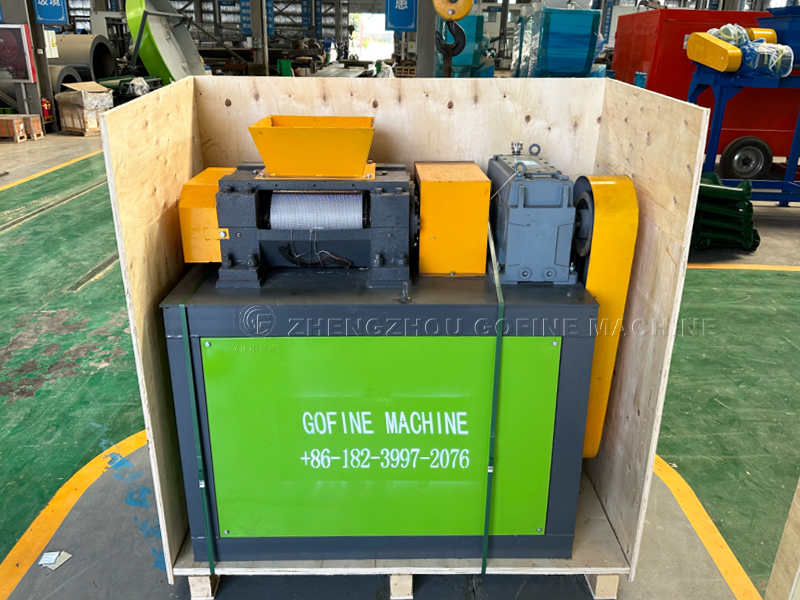
Granulators are essential in the production of both organic and inorganic fertilizers. They convert powdered raw materials into granules, making them easier to handle, store, and apply. Different types of granulators, such as rotary drum granulators, disc granulators, and double roller granulators, are used depending on the specific requirements of the production process. Each type has its advantages, with rotary drum granulators being particularly effective for large-scale production due to their high capacity and efficiency.
Mixers
Mixers play a crucial role in ensuring the uniform distribution of nutrients in fertilizer products. They blend different raw materials to achieve a homogeneous mixture, which is vital for the consistent quality of the final product. Horizontal mixers and pan mixers are commonly used in fertilizer production lines, each offering specific benefits in terms of mixing efficiency and capacity.
The Role of Technology in Fertilizer Production
Automation and Control Systems
Automation has revolutionized fertilizer production by enhancing precision, reducing labor costs, and minimizing human error. Advanced control systems allow for real-time monitoring and adjustment of production parameters, ensuring optimal conditions for each stage of the process. This not only improves the efficiency of production lines but also enhances the quality and consistency of the fertilizer products.
Sustainability and Environmental Impact
Sustainability is a growing concern in fertilizer production, with increasing emphasis on reducing environmental impact. Technologies such as precision agriculture and nutrient management systems help optimize fertilizer use, minimizing runoff and reducing the risk of environmental pollution. Additionally, the development of eco-friendly fertilizers, such as slow-release and controlled-release formulations, contributes to sustainable agricultural practices.
Conclusion
The production of fertilizers is a complex and dynamic field that continues to evolve with advancements in technology and growing environmental awareness. By understanding the various methods and equipment involved, as well as the role of technology in enhancing efficiency and sustainability, stakeholders in the agricultural sector can make informed decisions to optimize their fertilizer production processes. For more detailed information on specific equipment and production lines, such as the Fertilizer Granulator Machine, further exploration is encouraged.