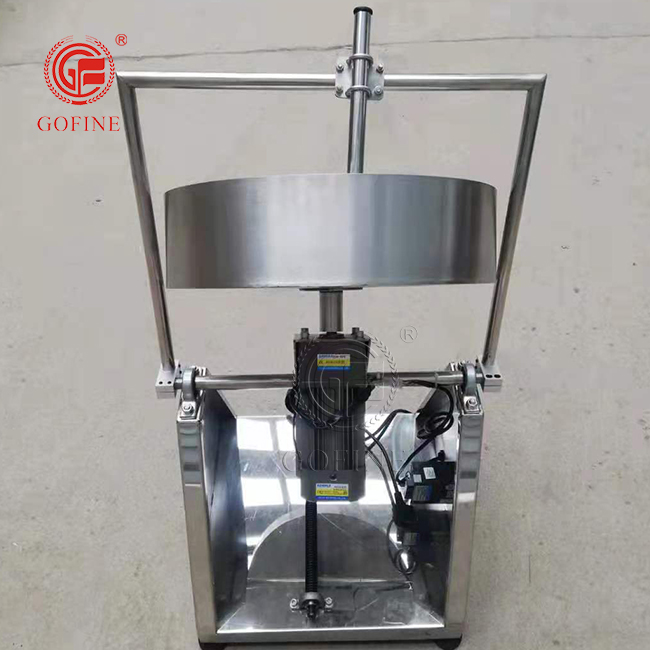
China has long been a pivotal player in the global agricultural sector, particularly in the realm of fertilizer production. The evolution of fertilizer production equipment in China reflects broader trends in technological advancement and industrial growth. This article delves into the significant role China plays in the development and innovation of fertilizer production equipment, with a particular focus on the China Fertilizer Granules Making Machine. Understanding China's influence in this sector not only highlights its industrial capabilities but also sheds light on global agricultural practices.
Historical Context of Fertilizer Production in China
The history of fertilizer production in China dates back thousands of years, with traditional practices evolving significantly over time. Ancient Chinese agriculture relied heavily on organic fertilizers, such as animal manure and compost, to enrich the soil. This practice laid the groundwork for modern fertilizer production, which began to take shape in the early 20th century with the introduction of chemical fertilizers.
The mid-20th century marked a turning point for China's fertilizer industry. The country's rapid industrialization and agricultural reforms led to increased demand for chemical fertilizers, prompting the development of domestic production capabilities. By the late 20th century, China had established itself as a leading producer of fertilizers, driven by technological advancements and government support.
Technological Advancements in Fertilizer Production
Technological innovation has been a cornerstone of China's fertilizer production industry. The development of advanced machinery, such as the China Fertilizer Granules Making Machine, has revolutionized the production process. These machines are designed to enhance efficiency, reduce waste, and improve the quality of the final product.
One of the most significant technological advancements in recent years is the integration of automation and digital technologies in fertilizer production. Automated systems allow for precise control over the production process, ensuring consistent quality and reducing labor costs. Digital technologies, such as data analytics and the Internet of Things (IoT), enable real-time monitoring and optimization of production operations.
The Role of Chemical Fertilizer Machine Manufacturers
Chemical fertilizer machine manufacturers in China play a crucial role in the industry's evolution. These manufacturers are at the forefront of innovation, developing new technologies and equipment to meet the changing needs of the agricultural sector. They are responsible for designing and producing a wide range of machines, from granulators to mixers, that are essential for efficient fertilizer production.
The competitive landscape among manufacturers drives continuous improvement and innovation. Companies invest heavily in research and development to create more efficient, environmentally friendly, and cost-effective machines. This focus on innovation has positioned Chinese manufacturers as leaders in the global market, supplying equipment to countries around the world.
Case Study: Leading Chinese Manufacturers
Several Chinese manufacturers have established themselves as leaders in the fertilizer production equipment industry. For instance, companies like Jiangsu Fuyi Machinery Technology Co., Ltd. and Zhengzhou Tianci Heavy Industry Machinery Co., Ltd. are renowned for their innovative designs and high-quality products. These companies have developed state-of-the-art machines that cater to various production needs, from small-scale operations to large industrial facilities.
Their success can be attributed to a strong focus on customer needs, rigorous quality control, and a commitment to sustainability. By prioritizing these factors, Chinese manufacturers have gained a competitive edge in the global market, further solidifying China's role as a leader in fertilizer production equipment.
Impact on Global Agriculture
China's advancements in fertilizer production equipment have had a profound impact on global agriculture. The availability of high-quality, efficient machinery has enabled farmers worldwide to increase crop yields, improve soil health, and reduce environmental impact. This, in turn, contributes to global food security and sustainable agricultural practices.
Moreover, China's role as a major exporter of fertilizer production equipment has facilitated the dissemination of advanced technologies to developing countries. By providing access to cutting-edge machinery, China is helping to bridge the technological gap and promote agricultural development in regions that need it most.
Challenges and Opportunities
Despite its successes, China's fertilizer production equipment industry faces several challenges. Environmental concerns, such as pollution and resource depletion, necessitate the development of more sustainable production methods. Additionally, the industry must adapt to changing market demands, such as the growing preference for organic fertilizers and eco-friendly practices.
However, these challenges also present opportunities for innovation and growth. By investing in research and development, Chinese manufacturers can create new technologies that address environmental concerns and meet evolving market needs. This proactive approach will ensure the industry's continued success and global leadership.
Conclusion
In conclusion, China's role in the evolution of fertilizer production equipment is both significant and multifaceted. From technological advancements to the influence of chemical fertilizer machine manufacturers, China has established itself as a leader in the industry. The impact of these developments extends beyond national borders, contributing to global agricultural practices and food security. As the industry continues to evolve, China will undoubtedly remain at the forefront of innovation and progress.
FAQs
1. What is the significance of China's role in fertilizer production equipment?
China's role is significant due to its technological advancements, leading manufacturers, and global influence in improving agricultural practices.
2. How have Chinese manufacturers impacted the global market?
Chinese manufacturers have impacted the global market by providing high-quality, efficient machinery that enhances agricultural productivity worldwide.
3. What challenges does the industry face?
The industry faces challenges such as environmental concerns and the need to adapt to changing market demands for sustainable practices.
4. How does automation benefit fertilizer production?
Automation benefits fertilizer production by improving efficiency, reducing labor costs, and ensuring consistent product quality.
5. What role do Chinese manufacturers play in innovation?
Chinese manufacturers play a crucial role in innovation by investing in research and development to create advanced, eco-friendly machinery.
6. How does China's export of equipment affect developing countries?
China's export of equipment provides developing countries with access to advanced technologies, promoting agricultural development and sustainability.
7. What future opportunities exist for the industry?
Future opportunities include developing sustainable production methods and meeting the growing demand for organic fertilizers and eco-friendly practices.


